Worst Time to Travel Puerto Rico: What Every Traveler Should Know
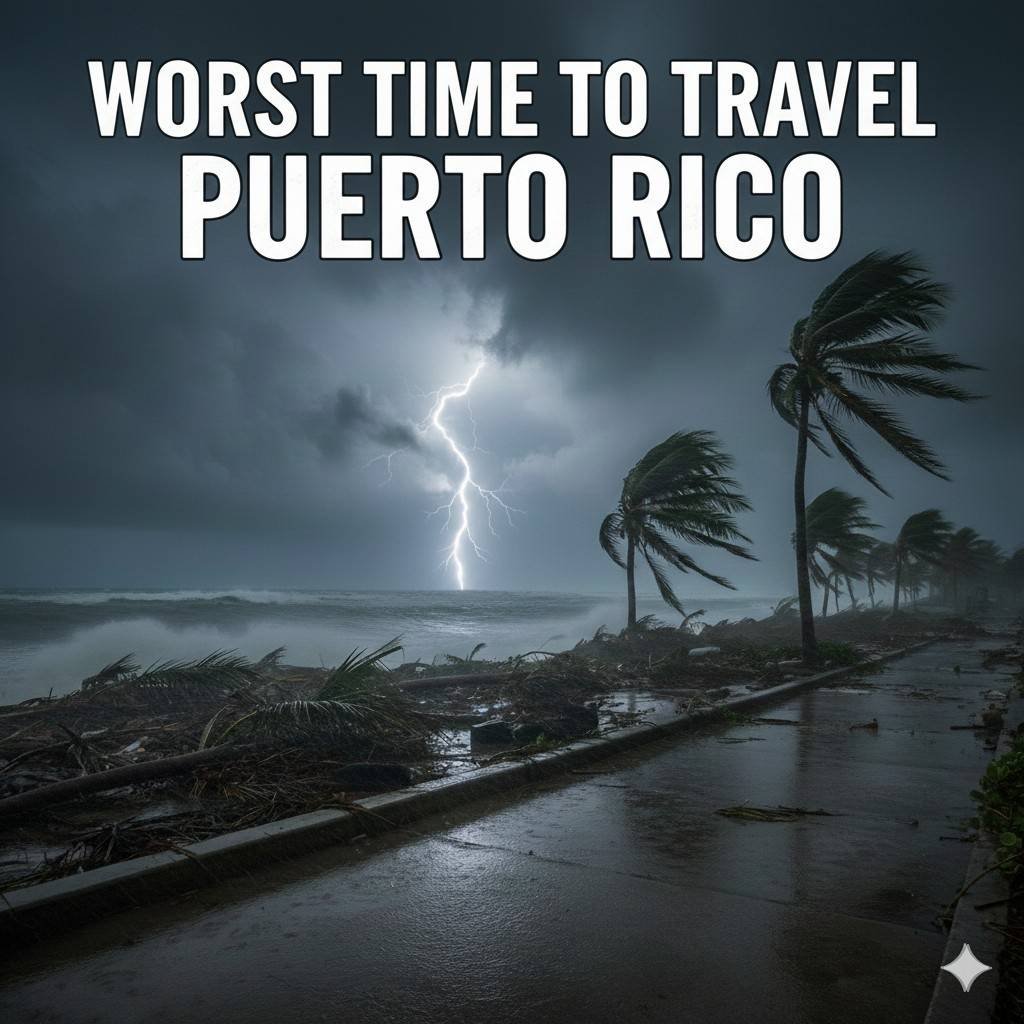
Many seasoned travelers and long-time Puerto Rico enthusiasts will tell you that August through October is the toughest stretch for planning a trip. This is when the island faces its most unpredictable weather—peak hurricane activity, frequent heavy rainfall, high humidity, and the seasonal arrival of sargassum seaweed. Puerto Rico is stunning in every season, but these months bring conditions that can easily interrupt a beach day, delay outdoor plans, or change an itinerary without warning.
This guide takes a clear, practical look at why late summer and early fall are often considered the least reliable months for a visit. It explains what travelers can expect during this period, why September through November tend to be especially rain-heavy, and how to choose a better time to enjoy the island at its best.
Why Is August–October the Worst Time to Travel Puerto Rico?

For travelers prioritizing sunshine, calm seas, and minimal disruption, these three months are consistently rated as the most challenging. The island’s natural beauty doesn’t disappear—but the weather tends to get in the way.
1. Peak Hurricane Season (Highest Travel Risk)
The Atlantic hurricane season runs from June 1 to November 30, but activity reaches its absolute peak in August, September, and October. During this period:
- Tropical storms and hurricanes are more likely to form.
- Travel delays and cancellations increase.
- Outdoor excursions may shut down without notice.
- Heavy winds and storm surges can impact beach safety.
September is historically the most active hurricane month, and several leading travel platforms—including Dreamers Welcome and Caribeez.com explicitly label September–November as the worst months to visit because of storm volatility. Direct hits remain rare, but even nearby systems can cause days of rain, widespread flooding, or power disruptions.
2. Heaviest Rainfall of the Year
Rain is part of Puerto Rico’s tropical climate, but September and October produce the highest rainfall totals. These months typically bring:
- Sudden, intense downpours
- Flooded roads
- Afternoon thunderstorms
- Occasional all-day rain during tropical disturbances
November continues to see heavy rainfall, even as hurricane risk slowly tapers off. This prolonged wetness makes it harder to enjoy outdoor adventures such as El Yunque hiking, kayaking the bioluminescent bays, or spending full beach days by the water.
Top-ranking travel guides consistently note that September and October are the wettest months, often making them the most unpredictable for visitors.
3. High Heat and Humidity

Late summer into fall brings some of the hottest and most humid weather. Temperatures may remain in the high 80s to mid-90s, but humidity pushes the “feels like” index well over 100°F on many days.
Visitors can expect:
- Sticky, heavy air
- Limited comfort during long walks or hikes
- Fatigue during midday sightseeing
- Warmer ocean temperatures (which intensify sargassum growth)
While beach lovers may appreciate the warm water, overall conditions are less pleasant for active travelers.
4. Sargassum Seaweed Season
From May through October, many Caribbean beaches—especially along Puerto Rico’s eastern and southern coasts—experience seasonal sargassum blooms.
During peak months:
- Beaches may be covered in thick brown seaweed.
- The smell can deter swimmers.
- Cleanup crews work daily, but results vary by beach.
This natural phenomenon doesn’t impact every shoreline equally. Areas like Condado and Isla Verde may see lower accumulation, while Fajardo, Humacao, and parts of Vieques often experience heavier patches.
How the Full Rainy Season (June–November) Compares
While August–October is the most problematic window, the broader rainy season still affects travel. The breakdown below shows how conditions shift month to month:
| Month | Rainfall Level | Hurricane Risk | Heat/Humidity | Travel Experience |
| June | Moderate | Moderate | High | Decent, but humid |
| July | Moderate | Moderate | Very High | Good beach weather despite humidity |
| August | High | High | Very High | Start of the worst period |
| September | Very High | Extremely High | Very High | Worst overall month |
| October | Very High | High | High | Still extremely rainy |
| November | High | Lowering | Lowering | Wetter but safer |
Travelers looking for balance often choose early summer (June–July), when the island is still sunny for much of the day. But September remains widely cited as the least favorable month for tourism.
Why Some Travelers Still Visit During the Worst Time
Despite the challenges, August–October does come with notable advantages—an appealing trade-off for budget-conscious or crowd-avoidant travelers.
Lower Travel Prices
Flights, hotels, and rentals drop by as much as 40–60%. Luxury properties become more accessible, and even peak destinations like Condado or Old San Juan offer rare deals.
Fewer Crowds
With fewer visitors, beaches feel quieter, restaurants are easier to book, and attractions rarely hit capacity. Travelers who enjoy a slower, more local experience often appreciate this.
Cultural Events
Certain festivals—especially local patron saint celebrations—still take place despite the weather. Early fall also brings Halloween events, food festivals, and the start of Puerto Rico’s famously long holiday season in late November.
These benefits don’t outweigh weather risks for everyone, but they can make the low season appealing for flexible or experienced travelers.
Best Time to Visit Puerto Rico Instead

For those seeking the most reliable weather, the dry season from December through April is ideal. These months offer:
- Clear skies
- Lower humidity
- Calm waters
- Comfortable temperatures
- High predictability for outdoor activities
Because these months attract the highest demand, prices rise accordingly—but the weather almost always delivers.
Frequently Asked Questions
1. Why is September considered the worst month to travel to Puerto Rico?
September has the highest rainfall, the most active hurricane conditions, and uncomfortable humidity. Nearly all top travel guides point to September as the riskiest month, with the greatest chance of weather-related disruptions.
2. Is it safe to visit Puerto Rico during hurricane season?
Yes, but with caution. Travelers should purchase travel insurance, monitor forecasts, and remain flexible. Most hurricanes do not make landfall in Puerto Rico, but even distant storms can create dangerous surf conditions, flight cancellations, or flooding.
3. Do all beaches get sargassum during summer and fall?
No. Sargassum levels depend on ocean currents and location. Eastern and southern shores typically see more accumulation, while northern and western beaches—like Rincon—may stay cleaner.
4. When is the cheapest time to visit Puerto Rico?
Late August through October usually offers the lowest airfare and hotel rates, precisely because these months fall during the peak rainy and hurricane season.
5. If someone has to travel during the worst time, how can they prepare?
They should pack rain gear, schedule indoor-friendly activities, choose accommodations with flexible cancellation policies, and keep backup plans in case excursions are postponed.
Final Thoughts: Should Travelers Avoid the Worst Time to Travel Puerto Rico?
Puerto Rico remains a vibrant destination year-round, but August through October is objectively the most challenging period, based on consistent rankings from major travel websites and decades of weather data. Heavy rain, peak hurricane conditions, sargassum, and intense humidity make these months the least predictable for outdoor enjoyment.
Still, travelers who prioritize affordability, cultural immersion, and quieter attractions may find genuine value during the low season—so long as they stay flexible and weather-aware.
When planning strategically, Puerto Rico can be wonderful in any month. But for the most dependable experience, the dry season from December to April remains the clear favorite.

Related Posts

The Benefits of Owning a Toy Hauler for Outdoor Travel

How to Ensure Your Truck is Road-Ready and Safe