7 Outdoor Safety Checks Schools Must Prioritize
School grounds see a lot of action. From morning drop-offs to after-school sports, outdoor spaces are constantly in use—and constantly exposed to wear, weather, and the unpredictable energy of hundreds of kids. Yet outdoor safety is one of the most overlooked areas of school facility management.
A cracked sidewalk, a rusted fence post, or an overhanging branch might seem minor. But in a busy school environment, small hazards can escalate quickly. Regular safety checks aren’t just good practice—they’re essential for protecting students, staff, and the school from liability.
Here are seven outdoor safety checks every school should have on its radar.
1. Inspect Playground Equipment Thoroughly
Playground injuries send thousands of children to emergency rooms each year. Most are preventable. Elementary and high School should routinely check equipment for rust, splinters, broken hardware, and structural instability.
Pay close attention to high-traffic pieces like swings, climbing frames, and slides. Any equipment that wobbles, has exposed bolts, or shows signs of significant wear should be taken out of service until repaired.
Surface materials beneath equipment also matter. Loose fill materials like wood chips or rubber mulch need to be topped up regularly to maintain adequate fall cushioning.
2. Assess Trees and Vegetation
Trees add shade and character to school grounds, but they also pose real risks if left unmanaged. Dead branches, root upheaval near pathways, and trees leaning toward buildings or play areas all require professional attention.
Schools should schedule annual arborist assessments and act quickly on any flagged concerns. For schools in areas prone to seasonal storms, this is especially critical. Professional tree trimming in Salt Lake City, for example, is a commonly sought service as schools prepare grounds ahead of harsh winters and high-wind seasons.
3. Check Fencing and Perimeter Security
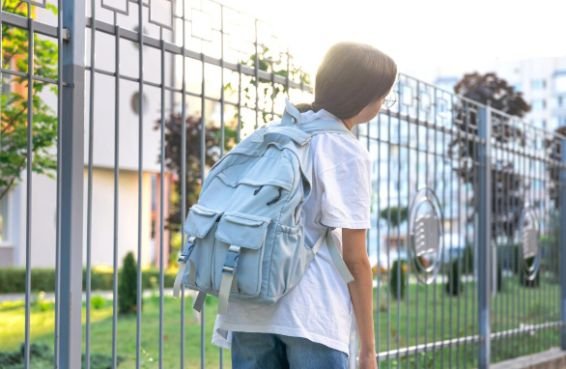
Fencing serves two purposes: keeping students in and keeping unauthorized visitors out. Walk the full perimeter regularly to identify gaps, broken posts, damaged gates, or sections that have shifted due to ground movement. Locking mechanisms on gates should be tested to confirm they function correctly.
Schools near busy roads or open land face higher perimeter risks, so those inspections should happen more frequently—ideally monthly.
4. Evaluate Walkways, Ramps, and Paved Surfaces
Uneven paving, cracked concrete, and raised edges are common tripping hazards. These issues tend to develop gradually, which is why they’re easy to miss without a structured inspection process. Pay particular attention to areas near water drains or tree roots, where ground movement is most likely.
Ramps and accessible pathways should also be checked for slope integrity and surface grip, ensuring they remain safe and compliant for students using mobility aids.
5. Review Outdoor Sports Facilities

Sports fields and courts carry their own set of risks. Turf conditions, goal post stability, court surfacing, and lighting for evening use all need regular evaluation. Goalposts and nets should be secured properly—not just during season, but year-round.
If your school has an outdoor running track, inspect the surface for cracks or uneven sections that could cause ankle injuries. Line markings should also remain visible to prevent confusion during physical activity.
6. Inspect Drainage and Waterlogging Areas
Poor drainage creates multiple problems. Standing water becomes a slipping hazard, encourages mosquito breeding, and can accelerate surface deterioration over time. After heavy rainfall, walk the grounds and identify any areas where water consistently pools.
Drainage grates should be kept clear of debris, and any blockages in underground drainage systems should be addressed by a licensed contractor. This check is easy to skip during dry months, but that’s exactly when drainage infrastructure should be serviced.
7. Audit Lighting Across Outdoor Spaces
Adequate lighting is critical for early morning arrivals, after-school activities, and evening events. Burned-out bulbs, poorly positioned fixtures, and dark corridors between buildings all create safety concerns.
Walk the grounds at dusk to get an accurate picture of visibility. Areas near entry points, car parks, bike storage, and portable classrooms should be well-lit and free from blind spots. Motion-activated lighting can be a cost-effective solution for lower-traffic areas.
Build a Safer School Ground, One Check at a Time
Outdoor safety doesn’t require a major overhaul—it requires consistency. Schools that conduct these checks on a regular schedule, document their findings, and follow up promptly on issues will significantly reduce the likelihood of accidents on their grounds.
The goal isn’t perfection. It’s awareness. Assign responsibility clearly, set inspection intervals that match the pace of use on your campus, and loop in qualified professionals for anything beyond routine maintenance. A safe school ground is one that’s actively managed, not just occasionally glanced at.