
How to Clean Makeup Brushes at Home Like a Pro
If you’re searching for how to clean makeup brushes, you probably want a method that removes bacteria, protects your skin, and doesn’t damage expensive tools. The good news is you don’t need fancy products or salon visits. With lukewarm water, a gentle cleanser, and the right technique, you can clean makeup brushes at home in under 10 minutes.
Dirty brushes collect oil, dead skin cells, and bacteria. Research shows unwashed makeup tools can carry Staphylococcus bacteria and yeast, which may lead to breakouts, irritation, and infections. Knowing how to deep clean, spot clean, and dry brushes correctly makes a noticeable difference in both skin health and brush lifespan.
Why Cleaning Makeup Brushes Matters More Than You Think
Makeup brushes touch your skin daily. Each use transfers oil, sweat, and product residue back into the bristles. Over time, this buildup becomes a breeding ground for bacteria.
Unclean brushes can:
- Cause breakouts and clogged pores
- Irritate sensitive or acne-prone skin
- Spread bacteria across the face
- Ruin brush bristles and shape
According to dermatology research, brushes used with liquid or cream products hold more moisture, which allows bacteria to multiply faster. That’s why foundation and concealer brushes need more frequent cleaning than powder brushes.
How Often Should You Clean Makeup Brushes?
Cleaning frequency depends on the type of product you use.
Recommended schedule:
- Foundation and concealer brushes: after every use or every 2–3 uses
- Cream blush or contour brushes: every 2–3 uses
- Powder brushes: once every 7–10 days
- Eye brushes: once a week
- Makeup sponges: daily
This routine balances hygiene and brush longevity without over-washing.
What You Need to Clean Makeup Brushes at Home
You don’t need expensive tools. Simple items work just as well.
Essentials:
- Lukewarm water
- Gentle cleanser (baby shampoo, sulfate-free soap, or brush cleaner)
- Clean towel or paper towel
- Optional silicone brush cleaning mat
Avoid harsh detergents or hot water. They weaken bristles and loosen glue.
Step-by-Step: How to Clean Makeup Brushes Properly
This method works for both synthetic and natural hair brushes.
1. Wet the Bristles Correctly
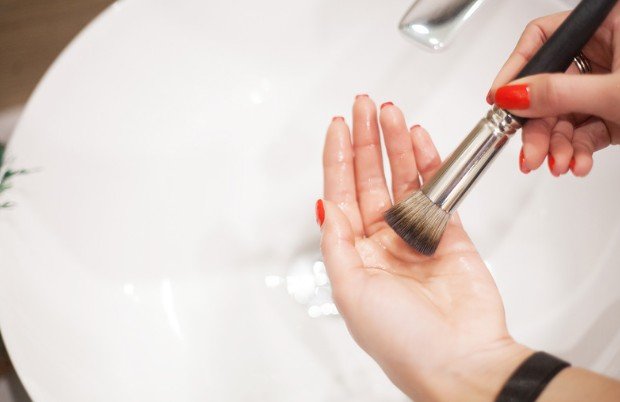
Hold the brush under lukewarm water with the bristles pointing downward. Keep water away from the ferrule and handle to protect the glue.
2. Apply a Gentle Cleanser
Place a small drop of cleanser in your palm or on a silicone mat. Less product cleans better and rinses faster.
3. Lather Using Circular Motions
Swirl the brush gently in circles. You’ll see makeup residue release into the foam. Don’t press hard or twist the bristles.
4. Rinse Until Water Runs Clear
Rinse with bristles facing down. Repeat the lather and rinse if pigment remains.
5. Squeeze and Reshape
Press excess water out using a clean towel. Use your fingers to reshape the brush head to its original form.
6. Air-Dry the Right Way
Lay brushes flat on a towel or with the bristles hanging slightly off the counter edge. This prevents water from seeping into the handle.
Common Mistakes That Ruin Makeup Brushes
Many brushes fail early because of simple errors.
Avoid these mistakes:
- Soaking brushes upright in water
- Using hot water
- Scrubbing aggressively
- Drying brushes standing up
- Skipping regular cleaning
Each of these weakens bristles and causes shedding.
Quick Spot Cleaning for Daily Maintenance
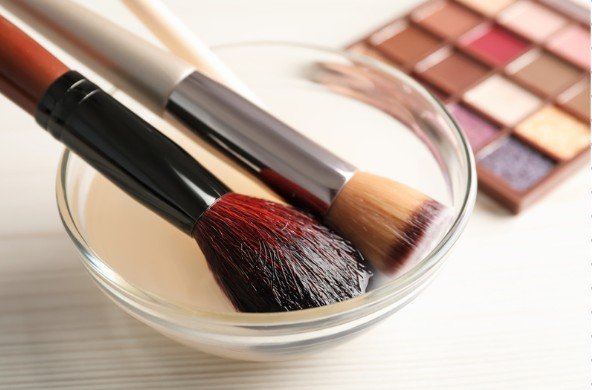
When you don’t have time for a full wash, spot cleaning helps control bacteria.
How to spot clean:
- Spray 70% isopropyl alcohol or brush spray onto a paper towel
- Swirl the brush until no pigment transfers
- Let it air-dry for a few minutes
Spot cleaning works best between full washes, not as a replacement.
How to Clean Makeup Sponges Safely
Sponges absorb more product and moisture than brushes.
Best practice:
- Wet the sponge fully
- Apply gentle soap
- Squeeze repeatedly under water
- Rinse until clear
- Air-dry in an open space
Clean sponges daily to prevent mold and bacteria growth.
Natural vs Synthetic Brushes: Does Cleaning Differ?
Synthetic brushes resist bacteria better and dry faster. Natural hair brushes feel softer but need gentler care.
Extra tip for natural hair brushes:
Use a tiny amount of hair conditioner once a month after cleaning. Rinse thoroughly to avoid residue.
How Long Do Clean Brushes Last?
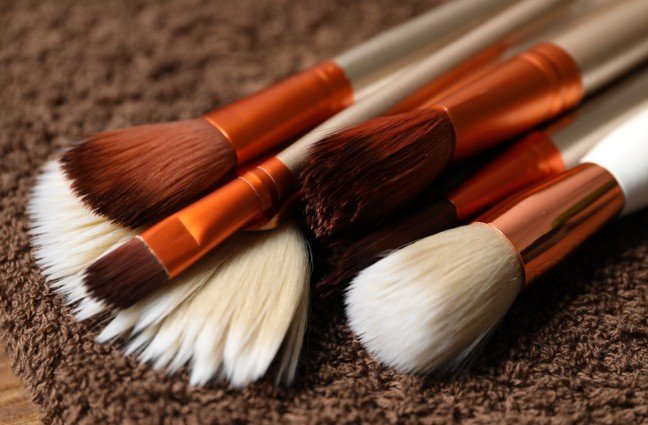
With proper care:
- Synthetic brushes can last 3–5 years
- Natural hair brushes can last even longer
Regular cleaning preserves shape, softness, and performance.
FAQs: How to Clean Makeup Brushes
1. What should I clean makeup brushes with?
Clean makeup brushes with a gentle cleanser like baby shampoo, sulfate-free soap, or a makeup brush cleaner. These remove buildup without damaging bristles.
2. What do makeup artists use to clean brushes?
Makeup artists use professional brush cleaners for quick cleaning and baby shampoo for deep washes to keep brushes clean and safe.
3. What kind of soap is best to wash makeup brushes?
A mild, sulfate-free soap or baby shampoo works best. It cleans effectively without drying out the bristles.
4. What is the best way to sanitize makeup brushes?
Wash brushes first, then lightly spray with 70% isopropyl alcohol and air-dry to kill bacteria safely.
Final Takeaway: Clean Brushes, Healthier Skin
Learning how to clean makeup brushes the right way protects your skin, improves makeup application, and saves money over time. A simple routine, done consistently, delivers professional results at home. If you wear makeup regularly, treat brush cleaning as skincare, not a chore.