
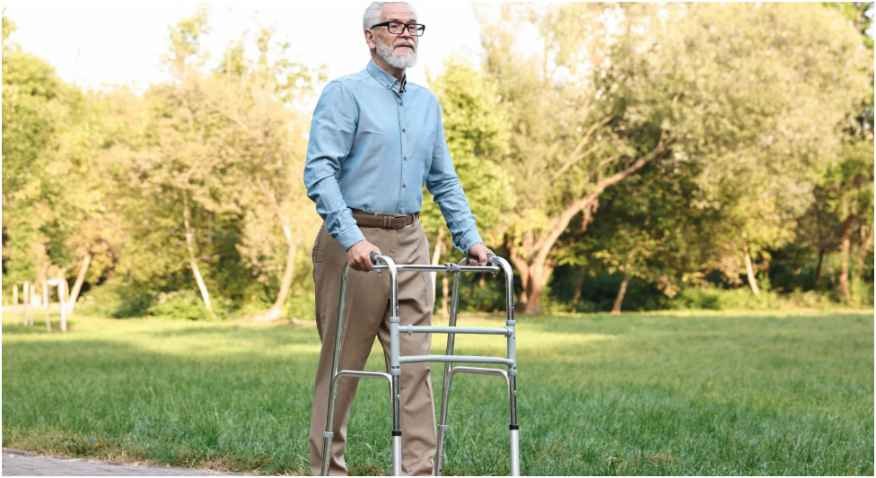
The Role of Technology in Enhancing Senior Mobility
Aging brings unique changes to the human body. Joint stiffness, reduced muscle strength, and balance issues can make simple movements difficult. Maintaining independence is incredibly important for both mental and physical health. When movement becomes restricted, everyday tasks can feel overwhelming.
Modern engineering provides excellent solutions to help older adults stay active and safe. Innovative tools reduce physical strain and build confidence, allowing people to navigate their surroundings easily.
Smart Home Innovations for Daily Convenience
Navigating a living space should not feel like an obstacle course. Voice activated electronics allow older adults to manage their environment from a seated position. A simple voice command can adjust the temperature, lock the front door, or turn off the television. This convenience significantly lowers the chance of tripping over rugs or furniture.
Smart lighting solutions automatically illuminate hallways when someone steps out of bed at night. These automated features create a secure environment where physical exertion is kept to a minimum. Controlling the home through a smartphone or voice prompt removes unnecessary hazards from daily routines.
Next Generation Walking Aids
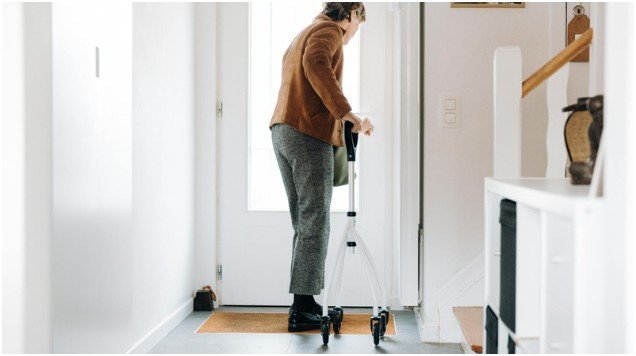
Standard canes and walkers have helped people for decades. Now, new designs incorporate electronic components for added safety. Smart walking sticks feature ultrasonic sensors that detect obstacles in the path ahead. The handle vibrates to warn the user before they bump into a chair or wall.
Electric scooters and motorized wheelchairs have also evolved. Manufacturers now build them with lightweight materials and long lasting batteries. They fold up easily for transport in a car trunk, enabling users to visit parks or shopping centers without exhausting themselves. These improvements make community outings much more enjoyable.
Wearable Health and Safety Monitors

Small devices worn on the wrist offer massive benefits for independent living. Modern smartwatches track daily activity levels, encouraging older adults to meet reasonable exercise goals. Movement keeps joints flexible and muscles strong.
Beyond fitness tracking, these devices are essential safety tools. Automatic fall detection is a standard feature on many models. If the sensors detect a sudden drop and the user does not respond, the watch immediately calls emergency services. GPS location sharing also helps family members know their loved one is safe during neighborhood walks.
Creating Accessible Living Spaces
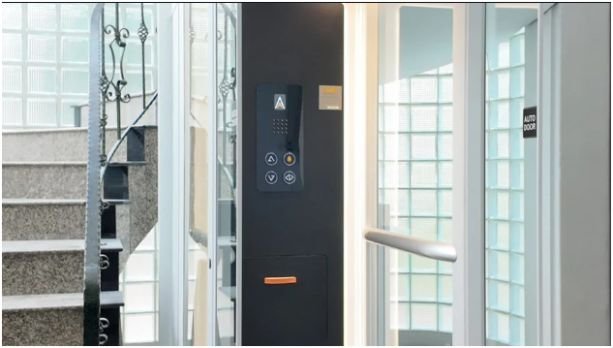
Modifying a house ensures it remains safe as physical abilities change. Ramps with gentle inclines replace steep porch steps to allow smooth entry. Inside the house, navigating between floors often presents the biggest challenge.
Finding the right mobility solution prevents accidents and preserves access to the entire property. Whether it involves installing automated sliding doors or an elevator for homes in Cheyenne WY, these structural upgrades remove dangerous barriers. Bypassing stairs entirely eliminates a major source of anxiety and physical strain for older adults.
Virtual Therapy and Exercise Applications
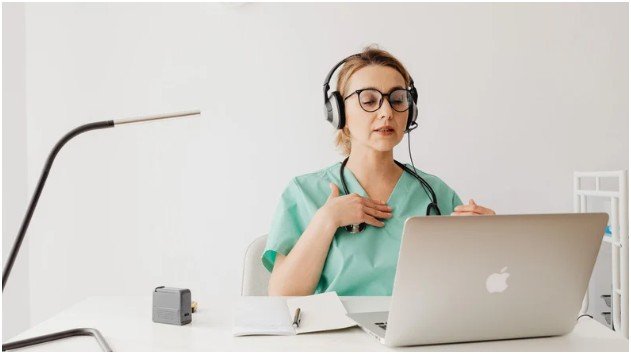
Improving mobility also means working on the body itself. Telehealth platforms connect patients with physical therapists through video calls. Older adults can learn stretching routines and strengthening exercises without leaving their living room.
Tablet applications provide guided workouts designed specifically for limited mobility. Following these gentle routines improves balance and coordination over time. Consistent movement, guided by professionals through a screen, prevents muscle deterioration and keeps individuals agile.
Accessible Transportation Solutions
When driving is no longer a safe option, getting to appointments or grocery stores becomes stressful. Smartphone applications bridge this gap by offering reliable transportation. Specific ride-sharing services cater to those requiring extra assistance. Users can request vehicles equipped with wheelchair ramps or specialized seating.
Navigation tools on smartphones also help those who prefer walking. These maps highlight paths with smooth sidewalks and accessible pedestrian crossings, ensuring a safe journey from start to finish.
Moving Forward Safely
Aging comfortably requires practical adaptation. Updating living spaces and daily habits ensures a high quality of life. Technology serves as a bridge between physical limitations and continued independence. From wearable safety monitors to smart home routines, these tools provide crucial support. Embracing these advancements empowers older adults to move freely, stay engaged with their community, and live safely in their own homes.


