

Smart Lighting Solutions for Homes for Convenience and Energy Efficiency
Smart lighting solutions for homes are no longer a luxury; they are a game-changer that makes homes more convenient, energy-efficient, and atmospheric. From smart bulbs to integrated systems, these products allow homeowners to control their lighting remotely, set schedules, and create personalized lighting scenes, all from the palm of their hand.
Smart lighting solutions offer a blend of style and functionality, from various product types to how they work and their key benefits. Whether you’re looking to create the perfect ambiance or enhance energy efficiency, smart lighting is a versatile tool that transforms your home with ease.
Why Smart Lighting is a Must-Have
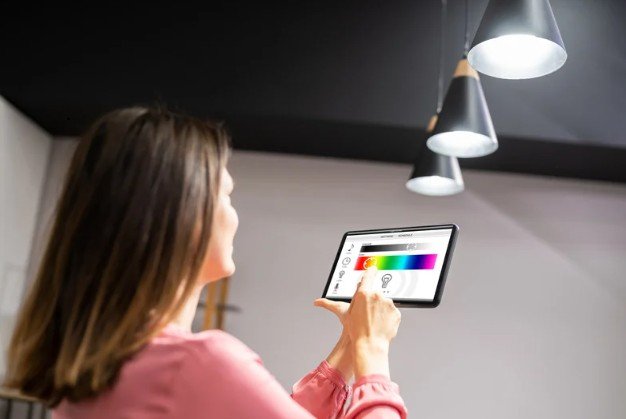
Smart lighting systems provide a variety of benefits that traditional lighting can’t match. These systems allow you to control your lights remotely, adjust brightness and color temperature, and even create custom lighting scenes. Whether you want to dim the lights for a movie night or brighten up your kitchen for cooking, smart lighting gives you the flexibility to match your lighting to your lifestyle. Additionally, they’re energy-efficient, helping you save on your electricity bills. By using features like scheduling and dimming, you can reduce power consumption without sacrificing functionality.
Types of Smart Lighting Products
There are several types of smart lighting solutions for homes, each with unique features. Here’s a breakdown of the most popular options:
Smart Bulbs
Smart bulbs are the easiest way to get started with smart lighting. These LED bulbs can replace traditional bulbs in your fixtures and allow you to control the brightness, color, and temperature. Some models even let you choose from millions of colors, making them perfect for creating the right mood for any occasion.
Top Picks
- Philips Hue: Known for its reliability and vibrant color options.
- Wyze: Affordable and easy to set up.
- LIFX: Offers bright, customizable color ranges and no hub required.
Smart Switches & Dimmers
If you want to control built-in fixtures like ceiling lights or chandeliers, smart switches and dimmers are the way to go. These devices replace your existing wall switches, allowing you to control multiple lights at once. Installation may require an electrician, but they provide seamless integration into your home.
Top Picks
- Lutron Caseta: Works even if your Wi-Fi goes down, and provides robust features.
- TP-Link Tapo: An affordable, easy-to-use option for controlling wall fixtures.
Smart Strips & Panels
Smart LED strips and light panels add a modern touch to your home. These flexible lighting solutions are perfect for accent lighting, whether you want to line your kitchen cabinets, illuminate a gaming setup, or create a feature wall.
Top Picks
- Nanoleaf: Known for artistic designs and integration with music.
- Govee: Budget-friendly, with music-syncing capabilities.
Smart Outdoor Lighting
Smart lighting extends beyond your interior. Outdoor smart lights can include floodlights, path lights, and string lights—all controlled remotely for enhanced security and ambiance.
Top Picks
- Ring Floodlight Cam Pro: Combines security and lighting into one.
- Philips Hue Outdoor Lights: Weather-resistant and versatile.
Key Features & Benefits of Smart Lighting
Convenience & Control
The primary appeal of smart lighting is convenience. With a simple app or voice commands (via Alexa, Google Assistant, or Apple HomeKit), you can control your lights from anywhere in the world. Whether you’re sitting on the couch or away on vacation, you have full control over your home’s lighting.
Ambiance Customization
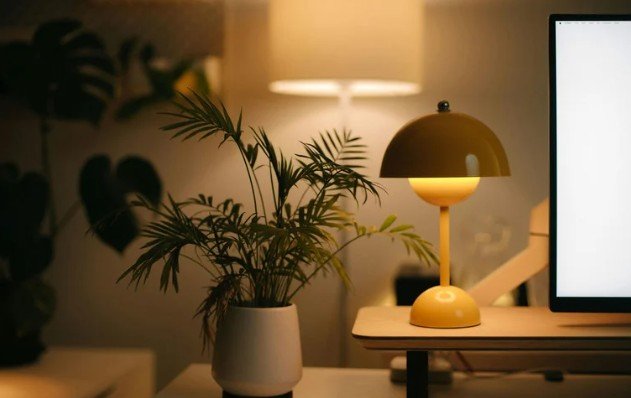
Smart lighting makes it easy to customize your home’s atmosphere. From bright task lighting to warm, dimmed light for relaxation, you can adjust the color temperature and brightness to match your needs. Some smart bulbs also offer millions of colors, allowing you to transform your living room into a cozy movie theater or a vibrant party setting.
Energy Efficiency
Energy-saving is one of the top reasons people choose smart lighting. With features like dimming, motion sensors, and scheduling, you can ensure that lights are only on when needed, saving energy and reducing electricity bills. Automated scenes also help conserve energy by adjusting lights when you’re away or asleep.
Automation & Integration
Smart lighting can be integrated into your home automation system. For instance, you can set a “movie night” scene that dims your living room lights and turns on accent lights at the same time. Motion sensors can automatically turn lights on when you enter a room and off when you leave, ensuring you never waste energy.
Security Features
Some smart lighting systems come with added security features. For example, vacation modes can mimic your usual lighting patterns, giving the impression that someone is home while you’re away. Additionally, outdoor smart lights with built-in cameras, like the Ring Floodlight Cam Pro, offer both illumination and enhanced security.
How Smart Lighting Works
Connectivity
Smart lights connect to your home network via Wi-Fi or a hub. Most systems like Philips Hue use a hub (e.g., Philips Hue Hub) that links to your router, ensuring all lights in the system stay in sync. Alternatively, Wi-Fi-enabled lights don’t require a hub and can connect directly to your router.
Control
You can control smart lights through dedicated apps (e.g., Philips Hue, Wyze, or LIFX), voice assistants like Amazon Alexa or Google Assistant, or even through integrations with other smart devices in your home (e.g., smart thermostats or security cameras).
Getting Started
Starting with smart lighting is easy. For beginners, smart bulbs or plugs are the most straightforward solution. They often require no installation—just replace your old bulbs and connect them to your app. For more advanced setups, you may need a hub or smart switches. These systems offer more control over multiple lights and may require professional installation.
Choosing the Right Smart Lighting for Your Home

Choosing the right smart lighting depends on your needs, home layout, and budget. If you’re looking for a quick and easy setup, smart bulbs are a great choice. For controlling larger rooms or built-in fixtures, smart switches and dimmers are ideal. Light strips and panels are perfect for creating modern, artistic displays, while outdoor smart lighting enhances security and curb appeal.
Popular Smart Lighting Brands
- Philips Hue: A leader in the smart lighting market, known for its quality and range of products.
- Lutron Caseta: A top choice for smart switches and dimmers.
- Wyze: Budget-friendly bulbs with great features.
- Nanoleaf: Ideal for artistic and customizable designs.
FAQ’s
1. What is the best smart home lighting system?
The best smart home lighting system depends on your needs, but Philips Hue is a top choice for reliability, variety, and integration with major smart platforms like Alexa, Google Assistant, and Apple HomeKit.
2. How can I make my home lights smart?
You can make your home lights smart by replacing regular bulbs with smart bulbs or installing smart plugs and switches. These devices connect to your Wi-Fi and can be controlled via apps or voice assistants.
3. What are the disadvantages of smart lighting?
Disadvantages of smart lighting include higher upfront costs, potential connectivity issues, and the need for a stable Wi-Fi connection. Additionally, some systems require professional installation for switches and dimmers.
4. What happens to smart lights when the power goes out?
When the power goes out, smart lights will lose connectivity and will not function until power is restored. Some smart bulbs may return to their last setting once power is back, while others may need to be manually reset.
Final Thoughts
Smart lighting solutions for homes provide convenience, energy savings, and personalization. Whether you’re looking to create the perfect ambiance for a movie night or save on your electricity bill, these systems offer something for every need. With easy entry points like smart bulbs and more advanced options like smart switches and integrated systems, it’s simple to get started.