
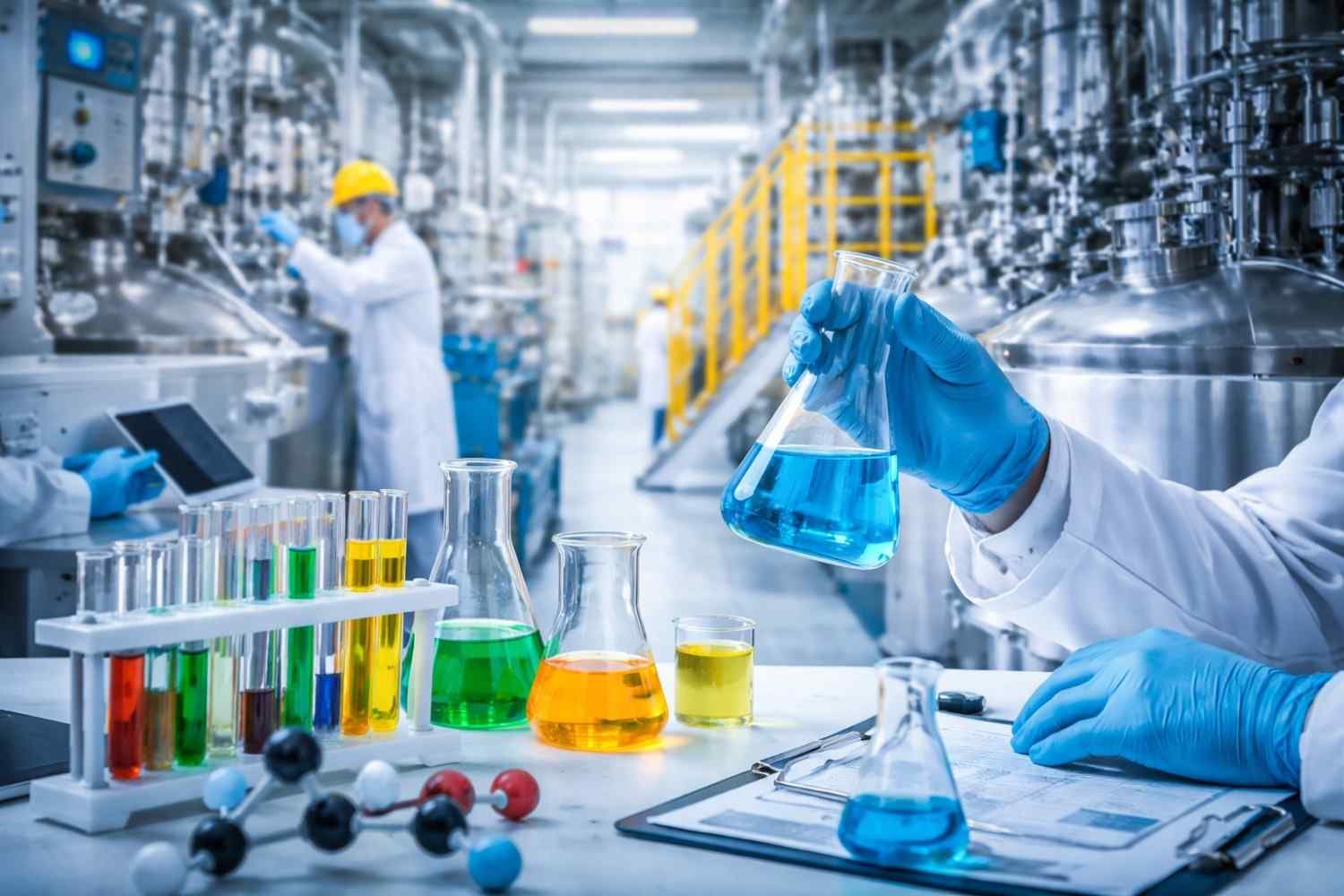
From Lab to Market: Steps in Specialty Chemical Production
Producing specialty chemicals is both an art and a science. Unlike commodity chemicals, specialty chemicals are designed for specific applications, ranging from pharmaceuticals to industrial coatings. Bringing these chemicals from the lab bench to the market requires careful planning, precise execution, and stringent quality control at every stage. Here’s a step-by-step look at the journey of specialty chemical production.
1. Research and Development (R&D)
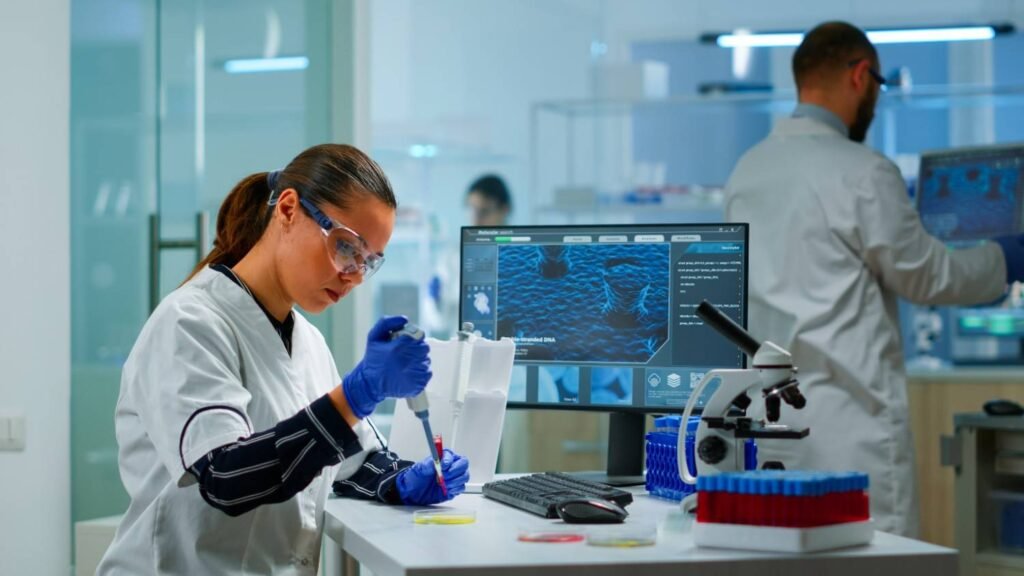
Every specialty chemical starts in the laboratory. The R&D phase is where chemists experiment with formulations to achieve desired properties, such as solubility, stability, or performance under specific conditions. This phase involves small-scale synthesis, testing, and iteration. Researchers also consider regulatory compliance, environmental impact, and cost-effectiveness during this stage.
R&D isn’t just about creating a new compound—it’s about ensuring that the chemical will perform reliably in its intended application. This foundational step can take months or even years, depending on the complexity of the chemical and the standards it must meet.
2. Pilot Production
Once a formulation shows promise in the lab, it moves to pilot production. This phase scales up the process from grams or liters to kilograms or small batches, testing whether the chemical behaves consistently in larger quantities.
Pilot production helps identify potential bottlenecks or safety issues. It’s also the stage where process optimization occurs, adjusting variables such as temperature, pressure, and reaction time to maximize yield and maintain quality. At this stage, companies may collaborate with toll processing partners to produce larger batches without investing in full-scale production facilities.
3. Scale-Up and Manufacturing
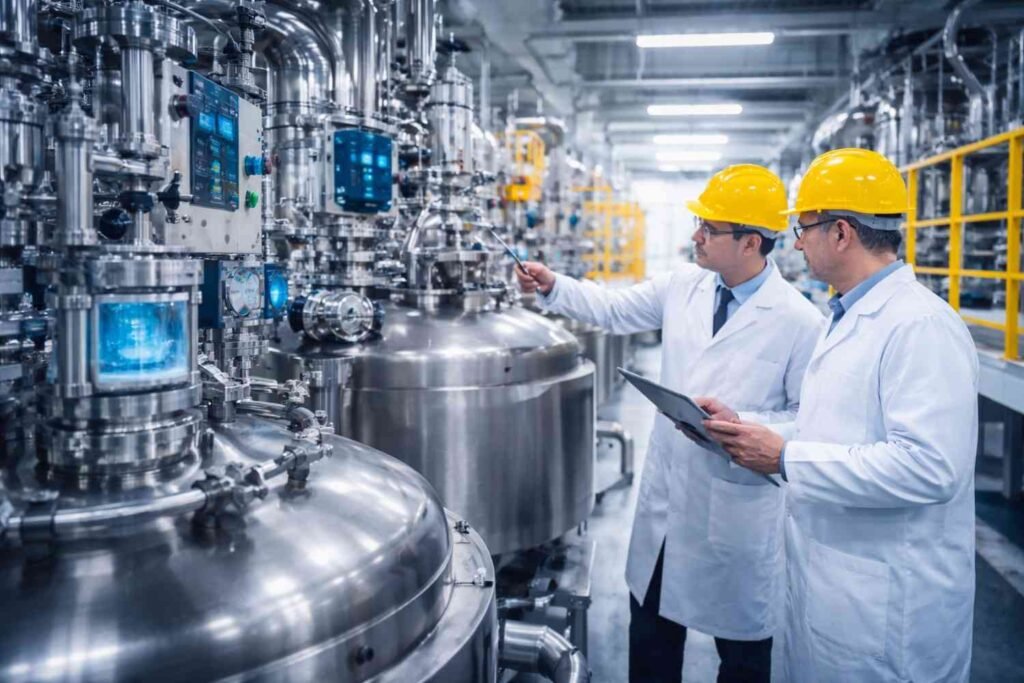
After successful pilot testing, the chemical moves to full-scale production. This stage involves sophisticated equipment, strict safety protocols, and careful process monitoring. Scale-up isn’t always linear; some reactions or formulations behave differently at larger volumes, requiring further optimization.
Manufacturers focus on efficiency, cost management, and adherence to quality standards. Advanced automation and process control systems are often employed to ensure consistent results. At this point, manufacturers also plan logistics for packaging, storage, and shipping, as many specialty chemicals are sensitive to moisture, temperature, or light.
4. Quality Control and Testing
Quality control is a critical step in specialty chemical production. Each batch undergoes rigorous testing to verify that it meets predefined specifications. Tests may include chemical composition analysis, performance evaluation under application conditions, and stability studies.
Consistency is key, as even minor deviations can affect performance in end-use applications. Many specialty chemicals are used in industries where precision is non-negotiable, such as pharmaceuticals, electronics, or automotive coatings. Therefore, quality control laboratories must maintain strict documentation and traceability for regulatory compliance.
5. Packaging and Distribution
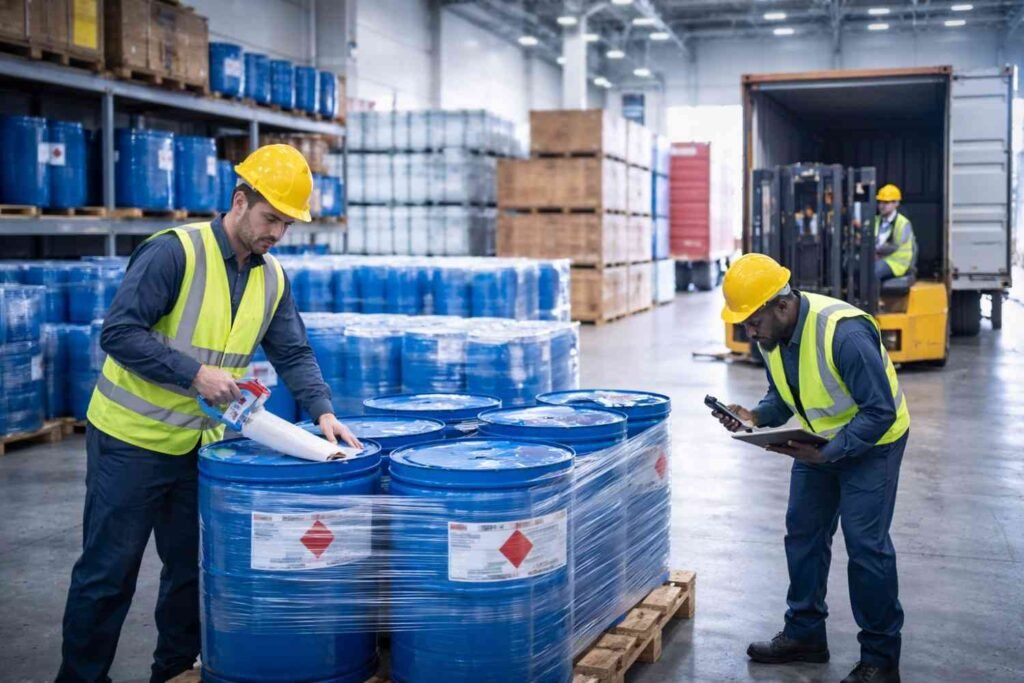
Once production and testing are complete, the chemical is prepared for market. Packaging is more than just a container; it must protect the chemical, facilitate safe transport, and provide necessary regulatory labeling. Many specialty chemicals are shipped internationally, requiring compliance with transport regulations and customs documentation.
Distribution channels vary depending on the industry. Some companies sell directly to manufacturers, while others rely on distributors or toll processors to handle specific production or delivery tasks. Efficient distribution ensures that the chemical reaches customers in optimal condition, ready for application.
6. Customer Support and Feedback
Even after the chemical reaches the market, the production cycle doesn’t end. Customer support teams provide guidance on handling, storage, and application. Feedback from users helps inform future product improvements and new formulations. This ongoing interaction strengthens relationships and ensures that specialty chemicals continue to meet evolving industry needs.
In Conclusion
From the lab to the market, specialty chemical production is a complex, multi-step process. It requires meticulous R&D, careful scale-up, precise manufacturing, and rigorous quality control. By following these steps, manufacturers can deliver high-performance chemicals that meet the specific needs of diverse industries. For companies without in-house production capabilities, partnering with toll processing providers can streamline the journey from concept to market.
In an industry where precision and reliability matter, understanding each step ensures that specialty chemicals not only reach the market but also perform exactly as intended, maintaining trust and fostering innovation.