Inside the NS Mainframe: A Beginner’s Guide to Railway Logistics Technology
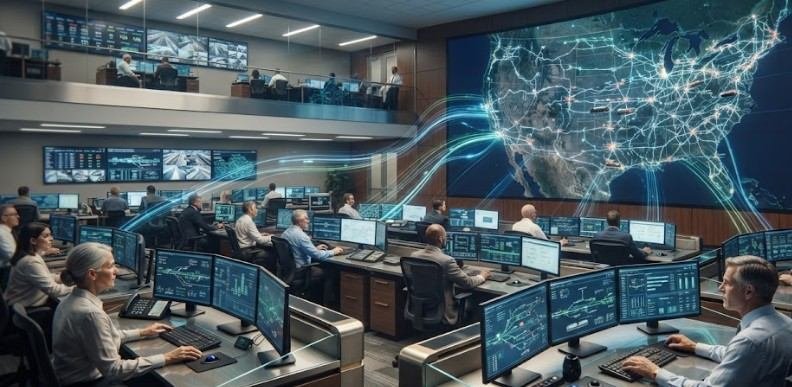
Did you know that over 19,000 miles of track running across 22 states depend on an enterprise computing architecture designed decades before modern smartphones existed? The ns mainframe serves as the digital heart of the Norfolk Southern Corporation. Every single day, thousands of trains move freight worth billions of dollars across North America, and almost every mile of that journey relies on this centralized computing engine to keep rolling safely.
If you are a new rail conductor, dispatcher, logistics manager, or IT contractor, getting introduced to the Norfolk Southern mainframe can feel like stepping into a time machine. The interface looks retro, the commands feel strict, and one wrong keystroke can leave you staring at an error screen. But once you understand how the system functions under the hood, you realize it is one of the most reliable and efficient real-time computing platforms ever built.
Why Mainframes Still Run Modern Rail Systems
When people think of enterprise software, they usually picture slick web dashboards or cloud services running on Amazon Web Services or Microsoft Azure. While Norfolk Southern uses modern APIs and mobile apps for customer-facing tools, the underlying core operations remain anchored to high-capacity mainframe environments, much like those analyzed by the U.S. Department of Transportation when evaluating critical national infrastructure security.
Mainframes excel at three specific tasks that standard cloud servers often struggle to perform simultaneously with zero latency:
- Massive Transaction Volumes: Processing hundreds of thousands of concurrent read/write requests without dropping a packet.
- Extreme Uptime: Mainframes are built for “five nines” reliability (99.999% uptime), meaning system downtime is measured in minutes per year.
- Deterministic Real-Time Processing: When a train passes an Automatic Equipment Identification (AEI) sensor, that location data must update across the network instantly.
In simple terms, cloud servers are great for flexibillity, but mainframes are built for brute-force stability. Rail networks cannot afford reboot cycles during peak traffic hours.
Inside the Core Applications of the NS Mainframe
The Norfolk Southern system isn’t just one monolithic program; it’s an ecosystem of specialized subsystems that talk to each other constantly. If you are starting out, these are the primary tools you will interact with on a daily basis:
1. Crewcall
Railroad operations run on strict hours-of-service regulations governed by federal law. The Crewcall application manages crew scheduling, board placements, and worker call-outs. It ensures that engineers and conductors have legally required rest periods before being assigned to a departing train line.
2. Realtime
As the name suggests, Realtime is the track-and-trace engine. It records real-time locations of active trains, locomotives, and individual rail cars across yards and mainline tracks. When a car switches tracks at a hump yard, Realtime registers the physical move.
3. Memo
Communication in a freight network must be logged and archived for safety audits. The Memo application serves as an internal bulletin system, delivering operational warnings, speed restriction notices, safety mandates, and company announcements to field crews and station managers.
4. Enterprise Data Integration
The mainframe does not exist on an island. It feeds real-time status updates directly into modern field applications like NS Trax and ExpressNS, letting truck drivers and shipping clients track intermodal containers without directly accessing mainframe green screens.
How to Connect to and Access the NS Mainframe
For most employees, logging into the mainframe happens through the company’s internal Employee Resource Center (ERC) or via specialized terminal emulation software (like IBM3270 emulators) over a secure network connection.
Educational research published by institutes like the MIT Center for Transportation & Logistics emphasizes that operational reliability in freight distribution hinges on maintaining secure, low-latency data pipelines between field terminals and central servers.
[User Browser / ERC Portal]
│
▼ (Secure Authentication)
[Network Gateways & Terminal Emulators]
│
▼ (Core Infrastructure)
[NS Mainframe Engine: Crewcall | Realtime | Memo]
Access Quick-Check Procedure
Before starting your shift, follow this quick checklist to ensure your station is configured properly:
- Verify Network Connectivity: Ensure your terminal is connected to the internal corporate network or authorized VPN.
- Open Approved Gateway: Launch your web browser to access erc2.nscorp.com or start your company-provided terminal emulator.
- Check Browser Settings: Confirm that pop-up blockers are configured to allow company domains so authentication windows do not get silently blocked.
- Enter Credentials: Input your assigned RACF user ID and password. (Note: Three consecutive failed attempts will lock your account).
Fixing Common Portal Access Issues
Because the system relies on web wrappers and terminal emulation layers to render text-based screens in modern browsers, login friction is common for beginners.
Here is how to resolve the top configuration issues without waiting on an IT ticket:
| Problem | Cause | Practical Solution |
| Blank White Screen on Launch | Active pop-up blocker preventing authentication window | Hold the CTRL key while clicking the mainframe link to bypass the blocker temporarily. |
| Redirect Loop or Timeout | Stale browser cache and expired session cookies | Clear temporary internet files for all *.nscorp.com domains and restart the browser. |
| “Access Denied” Notification | Missing domain exceptions in browser security settings | Add *.nscorp.com and erc2.nscorp.com into your browser’s explicit site exception list. |
Frequently Asked Questions
1. What is an NS Mainframe?
The NS Mainframe is Norfolk Southern’s core enterprise system, managing train tracking, crew scheduling, rail car logistics, and administrative operations across their entire shipping network.
2. How to login to mainframe?
Employees log in via the Norfolk Southern Employee Resource Center (ERC) portal using authorized company credentials and terminal emulation software connected to the secure corporate network.
3. How much does a NS Mainframe cost?
Enterprise mainframe systems cost tens of millions of dollars upfront for hardware and software licensing, with millions more allocated annually for maintenance, power, cooling, and security upgrades.
4. What is the phone number for the Norfolk Southern IT help desk?
For mainframe access and technical support, employees can reach the Norfolk Southern IT Help Desk toll-free at 1-800-525-2360 or via direct extension at 404-529-1527.
Demystifying Railroad Tech Infrastructure
Working with terminal screens and enterprise databases might feel intimidating at first, but remembering the operational purpose behind each command makes learning intuitive. Behind every code you type into Crewcall or Realtime, real trains are moving across thousands of miles of track safely because the system keeps accurate records.
Mastering the ns mainframe starts with solid fundamental habits: keeping your browser settings updated to prevent access loops, learning the primary tools like Realtime and Crewcall, and knowing when to use quick keyboard workarounds to stay productive. As freight logistics continue adopting modern software interfaces, the mainframe remains the steady engine working quietly behind the scenes to keep the country moving forward.