A Practical Guide to Tracking Student Growth With Physical Education Student Portfolio Template
A student who struggles to run a mile might demonstrate exceptional teamwork, improved coordination, or a growing commitment to physical activity. Traditional fitness scores rarely tell that entire story.
A physical education student portfolio template gives teachers a structured way to document those achievements alongside fitness assessments, movement skills, personal goals, and reflections.
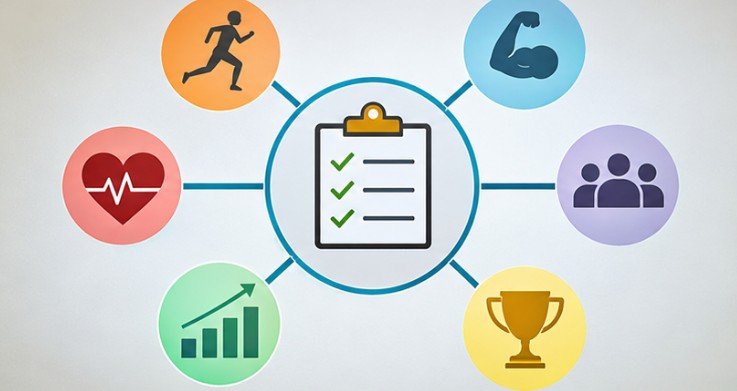
Instead of treating physical education as a series of isolated activities, portfolios reveal how students develop throughout a semester or school year. They also help students understand their progress, recognize strengths, and take greater responsibility for staying active.
What Should a Physical Education Student Portfolio Include?
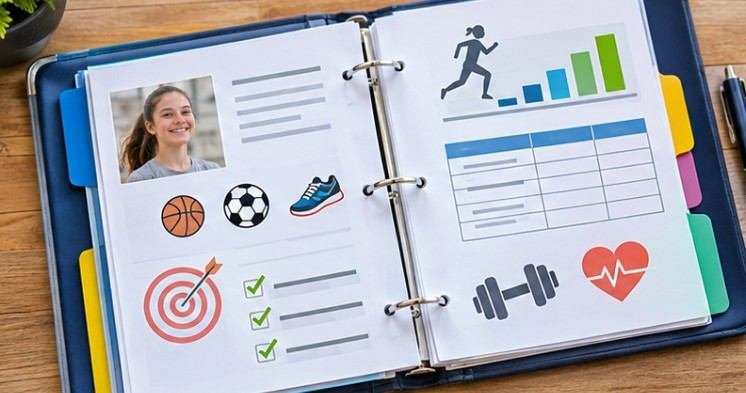
An effective portfolio combines measurable progress with meaningful reflection. Teachers can organize the following sections into printable worksheets, a binder, or digital presentation slides.
1. Student Introduction and Activity Profile
Begin with a personal profile that introduces the student beyond athletic ability.
Include the student’s name, grade, school year, favorite physical activities, and personal interests. A drawing or optional avatar can make the introduction more engaging.
Students can answer questions such as:
- Which physical activities do I enjoy most?
- What movement skill would I like to improve?
- What helps me feel confident during PE?
These responses establish a useful starting point for later reflection.
2. Baseline Assessments and Personal Fitness Goals
The next section records initial performance and identifies achievable goals.-
Teachers might assess cardiovascular endurance, muscular endurance, flexibility, balance, or coordination using age-appropriate activities.
For example, a student might record completing eight controlled push-ups during an initial assessment.
A SMART goal could be: “I will improve my push-up technique and complete 12 controlled repetitions within six weeks.”
Goals should emphasize appropriate personal improvement rather than competition between classmates.
3. Movement Skills and Sports Participation
This section documents skills practiced during individual and team activities.
Students might record basketball passing, volleyball serving, soccer dribbling, dance sequences, or balance exercises.
Each entry should include the activity, date, skill practiced, teacher feedback, and one possible improvement.
For example, after basketball practice, a student might write: “My chest passes became more accurate when I stepped toward my teammate.”
That observation demonstrates technical understanding, not simply participation.
4. Teamwork, Leadership, and Sportsmanship
Athletic development also involves communication, responsibility, resilience, and respect.
Ask students to describe situations where they encouraged teammates, followed rules, resolved disagreements, or responded positively to feedback.
The goal is to document specific behavior.
Instead of writing “I showed sportsmanship,” a student could explain how they helped an inexperienced teammate participate successfully in a game.
5. Physical Activity and Workout Logs
Activity logs help students recognize patterns and build sustainable routines.
A simple weekly log can include:
- Date and physical activity
- Duration and perceived effort
- Warm-up and cooldown activities
- Personal observations and next steps
Students may record walking, cycling, swimming, recreational games, or structured exercise.
These records should encourage awareness rather than pressure students to disclose sensitive health information.
6. Evidence Collection and Creative Work
Portfolios become more meaningful when students provide evidence of learning.
Possible submissions include annotated skill diagrams, training plans, certificates, teacher feedback, student-created illustrations, or short movement demonstrations.
Photographs and videos should remain optional and follow school privacy requirements.
7. End-of-Term Reflection

The final section connects initial goals with demonstrated progress.
Students revisit earlier assessments, compare skill observations, and evaluate whether their goals remain appropriate.
Useful prompts include: “What improved most?” “What challenge did I overcome?” and “Which activity would I like to continue?”
This process encourages students to recognize personal growth beyond numerical results.
Ready-to-Use PE Student Portfolio Template
Teachers can copy the following structure into a document, printable worksheet, or Google Slides presentation.
Student Portfolio Worksheet
Copy template
STUDENT INFORMATION
Student name
Grade
School year
Favorite activity
My fitness or movement goal
I want to improve:
I will practice by:
My target date:
Weekly progress entry
| Activity | Duration | What I learned |
Reflection
One thing I improved:
One thing I will practice next:
This basic layout can be repeated throughout the semester, with additional pages for skill assessments and final reflections.
How to Build and Manage Portfolios Effectively
Choose the Right Format
Printed portfolios work well in elementary classrooms where students benefit from handwriting, drawing, and physical organization.
Digital portfolios using Google Slides or school-approved learning platforms allow older students to combine reflections, graphs, and approved multimedia evidence.
Resources such as Teachers Pay Teachers also offer customizable PE worksheets, although teachers should check their alignment with district standards.
Establish a Manageable Review Schedule
A portfolio should support physical education without replacing valuable movement time.
Use a practical four-step process:
- Week 1: Introduce portfolio expectations, conduct baseline assessments, and establish goals.
- Every two weeks: Add one skill observation or short reflection.
- Midterm: Review evidence and revise goals when necessary.
- End of term: Complete a self-assessment and discuss progress.
The PE Central assessment guidance distinguishes performance, authentic, and alternative assessments, helping teachers select meaningful evidence of student learning.
Assessing Portfolios Without Rewarding Athletic Ability Alone
An effective grading rubric should evaluate learning, reflection, and demonstrated improvement rather than natural athletic advantage.
Teachers can assess four areas, each worth 25%: completion of assigned evidence, understanding of movement concepts, quality of reflection, and progress toward individualized learning goals.
For example, a student demonstrating stronger technique and thoughtful reflection might earn high marks even without achieving the fastest running time.
Individual accommodations are equally important. The educational nonprofit Understood.org explains accommodations and modifications describes how adjustments can support students with different learning needs. Teachers should also follow applicable IEPs, 504 plans, and district assessment policies.
Frequently Asked Questions
1. What is a physical education student portfolio template?
It is a structured collection of worksheets or digital pages documenting fitness goals, movement skills, participation, personal reflections, and evidence of learning throughout a PE course.
2. How often should students update their PE portfolios?
Brief updates every one or two weeks are usually manageable. Teachers can schedule more detailed reviews at the middle and end of each grading period.
3. Can elementary students create PE portfolios?
Yes. Younger students can use drawings, picture-based checklists, simple goal statements, and short teacher-supported reflections instead of lengthy written reports.
4. Should fitness test results determine portfolio grades?
Not exclusively. Assessment should emphasize standards-based learning, skill development, thoughtful reflection, and individualized progress rather than comparing students’ physical abilities.
Make Every Achievement Count
The most valuable physical education portfolios do more than document exercise. They help students understand their development, celebrate meaningful achievements, and identify opportunities for improvement.
A well-designed portfolio recognizes that athletic success looks different for every learner. One student may improve endurance, another may demonstrate stronger teamwork, and another may discover an activity they genuinely enjoy.
Teachers do not need elaborate software or complicated assessment systems to capture this progress. A consistent, accessible format and regular reflection are enough to begin.
Ultimately, the best portfolio is not the thickest collection of worksheets. It is the one that helps students recognize what they have learned and motivates them to keep moving.