

How to Create a Productive Study Space While Traveling
Balancing travel and education requires discipline, but having the right environment makes a world of difference. Whether you are studying from a hotel room, a moving train, or a bustling café, a dedicated workspace is critical for focus and retention.
Research shows that a disorganized environment can reduce productivity by up to 20%, highlighting the need for a strategic approach to mobile learning. This listicle explores effective ways to establish a functional, distraction-free study space no matter where your travels take you.
1. Prioritize Ergonomics and Lighting
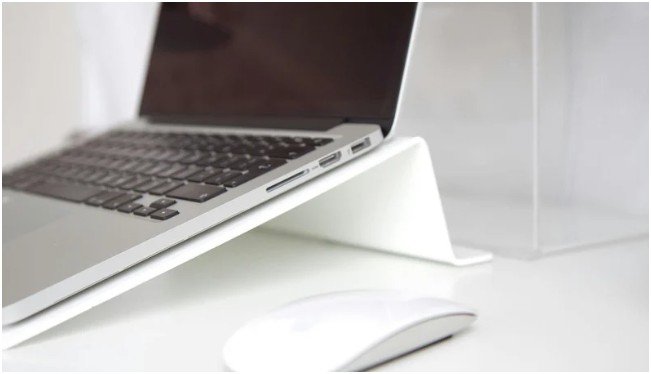
Working from a cramped airplane seat or a soft hotel bed can quickly lead to back pain and diminished focus. Always try to find a proper desk or table. Elevate your laptop using a portable stand to keep the screen at eye level, which reduces neck strain.
Good lighting is equally important; natural daylight helps regulate your circadian rhythm and keeps you alert. If you are stuck in a dimly lit room, a compact, USB-powered reading light can illuminate your notes and minimize eye fatigue.
2. Utilize Noise-Canceling Technology
Unpredictable background noise is one of the biggest challenges of traveling. From loud airport announcements to chatter in a coffee shop, auditory distractions can easily derail your study session. Investing in a quality pair of noise-canceling headphones is one of the best steps you can take.
If headphones are not an option, white noise apps can help drown out erratic sounds and create a consistent audio environment that signals your brain it is time to focus.
3. Keep Your Digital Resources Organized
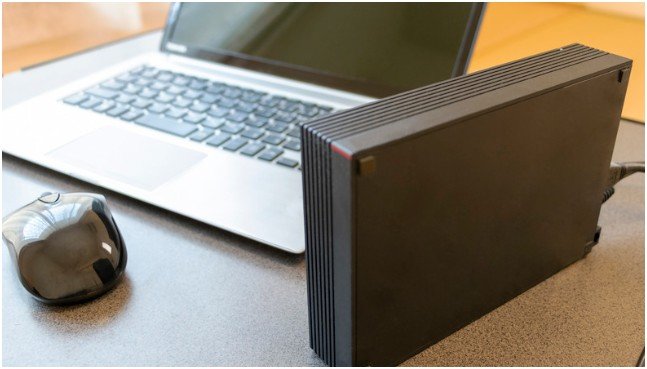
When you are constantly on the move, carrying heavy textbooks is rarely practical. Transitioning to digital materials ensures you have everything you need in one lightweight device. Cloud storage solutions allow you to sync your notes, assignments, and reading materials across multiple devices.
Many flexible education models, such as Utah online high schools, are designed around digital dashboards that keep students organized and accountable, allowing them to access their curriculum seamlessly from anywhere in the world.
4. Establish a Portable “Study Kit”
Having a dedicated pouch or small bag for your essential study tools helps condition your brain for work. Pack items like a reliable pen, a small notebook, device chargers, and a portable power bank.
When you sit down and unpack this specific kit, you create a physical cue that transitions your mindset from “travel mode” to “study mode.”
This small ritual can save you valuable time that would otherwise be spent searching the bottom of your backpack for a charging cable.
5. Master Time Zone and Schedule Management

One of the greatest enemies of remote productivity is a disrupted routine caused by time zone shifts. To combat this, anchor your study time to a fixed daily slot, regardless of local time. Maintaining this consistency, for instance, by studying every day between 9 AM and 11 AM local time, helps your body maintain a mental rhythm for focus and mental retention.
Block off specific “travel mode” and “study mode” hours in your calendar to set clear boundaries. If possible, reserve travel downtime—such as flights, long car rides, or layovers—for tasks that require minimal connectivity, like reading assignments, reviewing flashcards, or outlining papers. By scheduling high-focus, internet-dependent work for established, quiet sessions, you minimize the risk of technical disruptions wasting valuable study time.
6. Curate Your Physical Study Location
While convenience is tempting, avoid associating your study efforts with places reserved for relaxation, such as a soft chair or your hotel bed. The immediate physical environment you choose is a powerful cue for your brain. If you are in a hotel, seek out a dedicated corner or the business center.
When working in public settings, such as a coffee shop, always position yourself facing a wall or corner rather than a doorway or a busy path to reduce visual distractions.
Look for public libraries or university campuses in the area; these spaces are purpose-built for learning and concentration and often provide superior Wi-Fi and power access. Regularly switching your study location (e.g., morning at one spot, afternoon at another) can also prevent mental staleness and reset your concentration.
7. Implement Smart Break and Ritual Strategies
Productivity while traveling is not about endless work; it is about sustained focus punctuated by effective breaks. Use structured techniques like the Pomodoro method (25 minutes of work followed by a 5-minute break) to prevent burnout, which can be accelerated by travel fatigue. Your break should be a complete cognitive reset—a quick stretch, a walk, or simply looking at a distant view. Furthermore, establish a short “starting ritual” before every study session.
This might involve setting up your portable stand, sipping a specific type of tea, or playing a consistent ambient background track. This small, repeatable action serves as a mental trigger, transitioning your brain into work mode instantly. Similarly, a brief “concluding ritual”—like saving all files and neatly packing your study kit—signals the end of work, allowing you to enjoy your travel time guilt-free and live large in small space.
Maintaining focus on the road is entirely possible with a bit of preparation. By managing your physical posture, controlling your auditory environment, and keeping your materials digitally organized, you can turn any temporary location into a highly effective learning hub.

Related Posts

The Benefits of Owning a Toy Hauler for Outdoor Travel

How to Ensure Your Truck is Road-Ready and Safe