
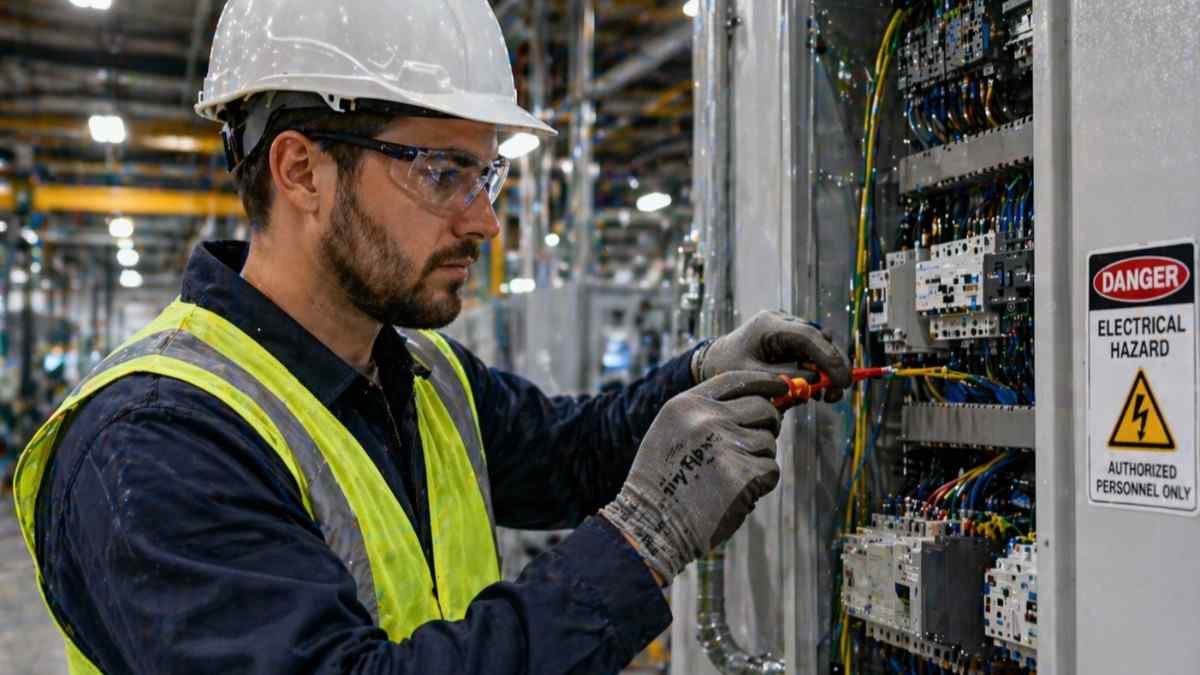
Safe and Efficient Electrical Installations: A Guide
Electricity powers nearly every aspect of our daily routines, from the lights in our homes to the heavy machinery in industrial plants. Because we rely on it so heavily, it is easy to take for granted the complex network of wires and systems running behind the walls.
However, improper electrical work poses severe risks, including fires, equipment damage, and fatal shocks. Prioritizing safety during any electrical project is essential to protect both property and human life.
Planning and Preparation
A successful electrical project begins long before any wires are cut. Thorough planning ensures the installation meets current power demands while leaving room for future growth.
Assessing Electrical Needs
Start by calculating the total electrical load required for the space. Take inventory of all appliances, lighting fixtures, and machinery that will draw power. Understanding the peak power usage helps you design a system that can handle the demand without tripping breakers or overheating wires. It is always wise to add a buffer to your calculations to accommodate future device additions.
Choosing the Right Materials and Tools
Using high-quality materials is non-negotiable for a safe installation. Select wires, switches, and outlets that are rated for the specific environment they will be used in. For example, outdoor installations require weather-resistant components. Additionally, equip yourself with insulated tools, voltage testers, and proper personal protective equipment (PPE) to prevent accidents during the installation process.
Understanding Electrical Codes and Regulations
Local and national electrical codes exist to establish minimum safety standards. Before starting any work, familiarize yourself with the National Electrical Code (NEC) or your region’s equivalent guidelines. Securing the necessary permits and arranging for official inspections ensures your work is legally compliant and structurally sound.
Key Principles of Safe Electrical Installation
Once planning is complete, the physical installation must strictly follow established safety protocols to prevent malfunctions.
Proper Grounding and Bonding
Grounding provides a safe path for excess electricity to flow into the earth if a fault occurs. Bonding connects all metal parts of the electrical system together, preventing dangerous voltage buildups. Together, these two practices significantly reduce the risk of electric shock and protect sensitive electronics from power surges.
Overcurrent Protection
Circuit breakers and fuses serve as the first line of defense against electrical fires. They automatically interrupt the flow of electricity when a circuit becomes overloaded or experiences a short. Always install breakers that match the ampacity of the conductors they protect.
Wiring Techniques and Conductor Sizing
Using the correct wire size is crucial. If a wire is too small for the electrical load, it will overheat and potentially start a fire. Carefully route wires to avoid sharp edges, heat sources, and areas prone to moisture. Keep connections tight and secure to prevent arcing.
Enclosure and Junction Box Requirements
All wire splices and connections must be housed within approved junction boxes. These enclosures protect the connections from physical damage and contain any sparks that might occur. When managing multiple cables or organizing complex control panels, utilizing a wiring duct is an excellent way to keep conductors protected, orderly, and easy to trace for future maintenance.
Efficient Electrical System Design
Modern electrical installations should focus on both safety and energy conservation. Efficient design reduces utility costs and minimizes environmental impact.
Energy-Efficient Lighting Solutions
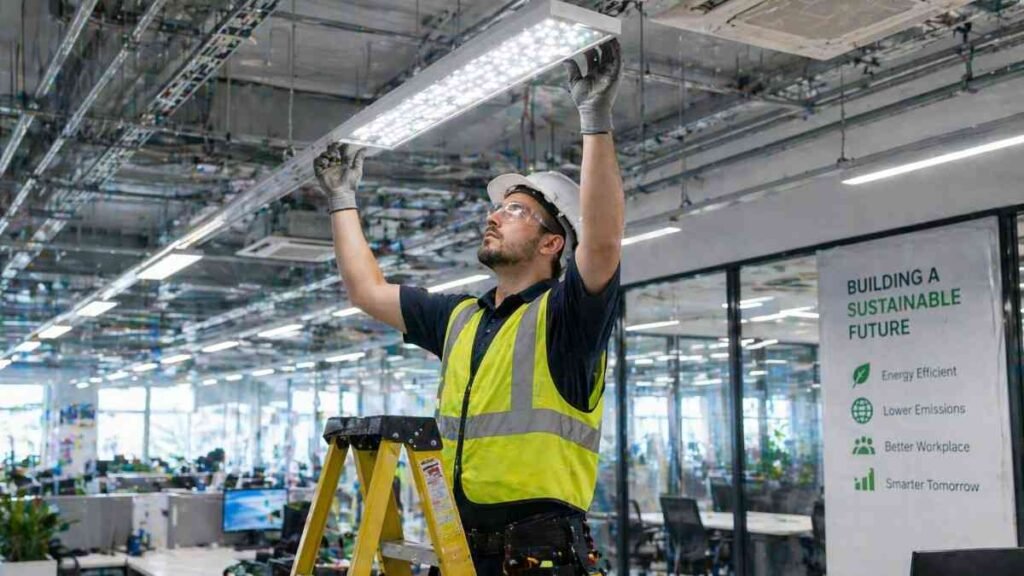
Lighting accounts for a significant portion of energy consumption. Install LED fixtures, which consume a fraction of the electricity used by traditional incandescent bulbs and last much longer. Incorporating natural light and utilizing motion sensors support senior mobility in low-traffic areas can further drive down energy usage.
Smart Home Integration

Smart technology allows users to control and monitor their electrical systems remotely. Programmable thermostats, smart outlets, and automated lighting systems can optimize power usage based on daily schedules. This targeted approach ensures electricity is only used when genuinely needed.
Load Balancing and Power Distribution
Distribute the electrical load evenly across the main service panel. An unbalanced panel can cause voltage drops and stress the electrical system. Proper distribution prevents any single phase from bearing too much demand, improving the overall efficiency and lifespan of the equipment.
Testing and Verification
An installation is not complete until it has been rigorously tested to confirm it operates exactly as intended.
Importance of Post-Installation Testing
Never assume a system is safe just because the wiring looks correct. Post-installation testing verifies that all connections are secure, grounds are functional, and there are no hidden faults. This step is critical before bringing the system fully online.
Common Testing Procedures
Electricians rely on several standard tests to ensure system integrity. A continuity test checks that a complete path exists for current to flow. Insulation resistance testing verifies that the protective coating around the wires has not been damaged, preventing unintended electrical leakage between conductors.
Maintenance and Troubleshooting
Even the best installations require ongoing care to remain safe and functional over the years.
Regular Inspection and Upkeep
Schedule periodic inspections to look for signs of wear and tear. Check for frayed wires, cracked insulation, or scorch marks around outlets and breaker panels. Tighten loose connections and clean dust away from sensitive components to maintain optimal performance of smart home upgrades.
Identifying and Addressing Electrical Issues
Flickering lights, buzzing sounds, and frequently tripping breakers are early warning signs of underlying electrical problems. Do not ignore these symptoms. Trace the issue to its source, whether it is a faulty device, a loose connection, or an overloaded circuit, and repair it promptly to prevent further damage.
Conclusion
Executing an electrical installation correctly requires careful planning, strict adherence to safety principles, and a commitment to ongoing maintenance. By taking the time to assess your power needs, use quality materials, and test your work thoroughly, you create an infrastructure that is both reliable and energy-efficient.