
Mild Bite Issues Explained: What You Need to Know
When people think about dental problems, severe misalignment or crooked teeth often come to mind. However, not all bite issues are obvious or dramatic. Mild bite problems—though subtle—can still impact your oral health, comfort, and confidence over time. Understanding these minor misalignments is the first step toward maintaining a healthier, more functional smile.
What Are Mild Bite Issues?
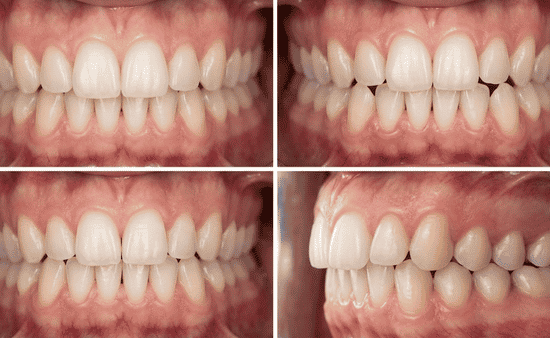
A “bite” refers to how your upper and lower teeth come together when your mouth is closed. Ideally, your teeth should align in a way that allows for efficient chewing, clear speech, and even distribution of pressure. Mild bite issues occur when there’s a slight misalignment in this relationship.
These can include:
- Slight overbite or underbite
- Minor crowding or spacing
- Subtle crossbite or open bite
Because these issues are not always immediately noticeable, many people assume they don’t require attention. However, even small irregularities can lead to bigger concerns if left unaddressed.
Common Causes
Mild bite problems can develop for a variety of reasons, often beginning in childhood but sometimes emerging later in life. Common causes include:
- Genetics: Jaw size and tooth alignment often run in families.
- Childhood habits: Thumb sucking, prolonged pacifier use, or tongue thrusting can influence bite development.
- Tooth loss or shifting: Missing teeth or natural movement over time can slightly alter alignment.
- Injury or trauma: Even minor injuries to the jaw can affect how teeth come together.
Understanding the root cause helps determine the most effective way to manage or correct the issue.
Signs You Might Have a Mild Bite Problem

Since mild bite issues are subtle, they can be easy to overlook. Still, there are a few signs that may indicate something isn’t quite right:
- Occasional jaw discomfort or clicking
- Uneven wear on teeth
- Mild difficulty chewing certain foods
- Teeth that appear slightly misaligned
- Minor speech irregularities
These symptoms may seem insignificant at first, but they can gradually worsen if ignored.
Why Mild Bite Issues Matter
It’s tempting to dismiss minor dental concerns, especially if they don’t cause immediate pain. However, mild bite issues can have long-term effects on your oral health.
For one, uneven pressure on teeth can lead to excessive wear and tear. Over time, this may increase the risk of enamel damage, tooth sensitivity, or even fractures. Additionally, slight misalignment can make certain areas of your mouth harder to clean, raising the likelihood of plaque buildup and gum disease.
There’s also the functional aspect to consider. Your bite plays a crucial role in how you chew and speak. Even small irregularities can strain your jaw muscles, potentially contributing to discomfort or temporomandibular joint (TMJ) issues.
Lastly, aesthetics shouldn’t be overlooked. A well-aligned bite contributes to a balanced, confident smile, and even minor corrections can make a noticeable difference.
Treatment Options
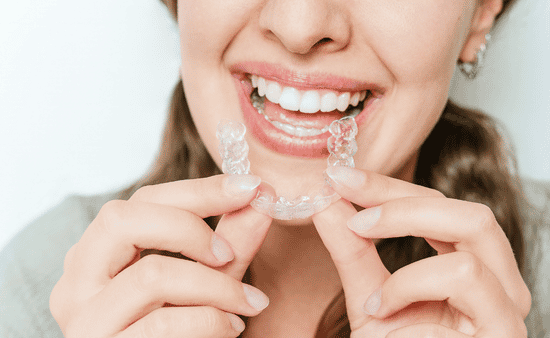
The good news is that mild bite issues are often easier and quicker to treat compared to more severe cases. Depending on your specific needs, your dentist or orthodontist may recommend:
- Clear aligners: These nearly invisible trays gradually shift teeth into proper alignment.
- Traditional braces: Still a reliable option for correcting a variety of alignment concerns.
- Accelerated braces: A modern approach that can help speed up treatment time while achieving effective results.
- Retainers: In some cases, retainers can correct or prevent minor shifting.
Treatment plans are typically customized, ensuring that the solution fits both your dental needs and lifestyle.
Preventing Further Issues
Final Thoughts
Mild bite issues may not seem urgent, but they play a significant role in your overall oral health. By recognizing the signs and understanding your options, you can take proactive steps to protect your smile. Whether through simple monitoring or targeted treatment, addressing these small concerns early can lead to lasting comfort, function, and confidence.