Protect Your Home’s Future: Essential Residential Water Filtration and Hard Water Solutions
Water quality serves as a fundamental pillar for maintaining both biological health and the mechanical integrity of a home. While local municipalities provide publicly treated water resources that meet specific safety benchmarks, the chemical and mineral profile of the water can change significantly as it travels through aging distribution networks or reacts with residential plumbing.
Understanding the science of these contaminants allows homeowners to make informed decisions regarding their indoor environment.
The Geological Influence on Water Composition and Hardness

The journey of water begins long before it reaches a faucet. As it moves through soil and rock layers, it dissolves various minerals, creating a unique profile based on the surrounding geography. This process is largely responsible for the presence of calcium and magnesium, the two primary elements that define hardness.
Mineral Accumulation and Mechanical Damage
High concentrations of hard water minerals are not typically viewed as a direct health hazard, but they present a severe threat to household infrastructure. When hard water is heated, these minerals precipitate and form a solid residue known as limescale.
This white, chalky substance builds up inside water heaters, dishwashers, and washing machines, acting as an insulating layer that forces the heating elements to work harder. Over time, this mineral buildup leads to increased energy consumption and the premature failure of expensive appliances.
Chemical Additives and Secondary Contaminants
In addition to naturally occurring minerals, many supplies contain substances introduced during the disinfection process. Chlorine is widely used to neutralize pathogens, yet it often leaves behind a distinct chemical odor and taste that many find unappealing for drinking and cooking. Furthermore, secondary contaminants such as volatile organic compounds, heavy metals, or sediments can enter the supply through runoff or pipe degradation.
Residential Water Treatment: Methodologies for Advanced Purification
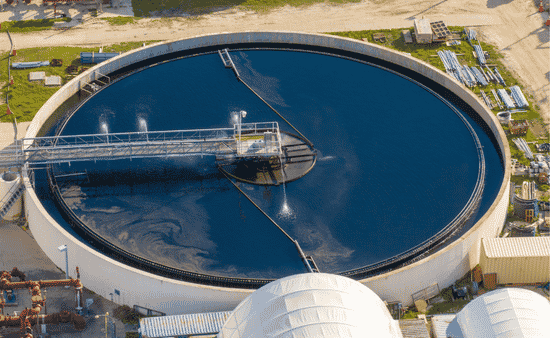
To address these diverse challenges, several purification technologies have been developed to target specific types of impurities. Each method offers distinct advantages depending on the primary concerns of the household.
Ion Exchange and Softening
The most effective residential water treatment for managing mineral hardness is through ion exchange. This process involves replacing calcium and magnesium ions with sodium or potassium ions as the water passes through a resin bed. The result is softened water that no longer forms scale, allowing soaps to lather more effectively and protecting the longevity of the plumbing system.
Multi-Stage Filtration Strategies
For broader protection against chemicals and biological agents, many residences implement advanced water filtration methods. Carbon filters are highly efficient at removing chlorine and organic odors, while reverse osmosis utilizes a semi-permeable membrane to block microscopic particles and heavy metals.
Selecting a robust water filtration system in Utah is a common approach for managing the high mineral content found in regional groundwater sources. Additionally, ultraviolet purification can be integrated to neutralize bacteria and viruses without the use of additional chemicals.
Benefits of Pure Water: Impact on Daily Operations and Wellness
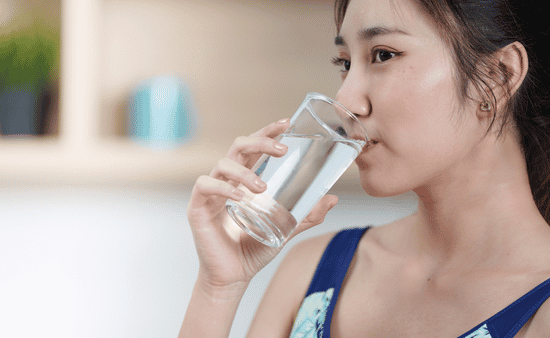
Beyond the protection of appliances, the quality of domestic water significantly influences daily comfort and wellness.
Dermatological and Textile Benefits
Hardness and chemical additives can strip natural oils from the skin and hair, leading to irritation or dryness. Softened and filtered water is gentler on the body and prevents the stiff, abrasive texture often found in laundry after washing with high-mineral supplies. This improvement in water quality often reduces the need for harsh detergents and expensive skin care products.
Sustainability and Waste Reduction
Investing in high-level purification also supports environmental sustainability. By improving the taste and safety of tap water, households can eliminate their reliance on single-use plastic bottles. This reduces plastic waste and the carbon footprint associated with the transport of bottled goods.
Long-Term Maintenance and System Performance
No water purification system is entirely passive; regular upkeep is necessary to ensure consistent performance. Filters must be replaced according to manufacturer guidelines to prevent clogging and bacterial growth. Monitoring water pressure and inspecting for leaks are essential habits that prevent minor issues from escalating into major repairs.
By taking a proactive stance on water quality, residents can secure a healthier living environment while simultaneously safeguarding their financial investment in their home’s mechanical systems.