How to Plan a Retail Store Layout That Maximizes Sales
Designing a retail store is more than arranging shelves and placing products. A well-planned layout directly influences how customers move, what they notice, and ultimately what they buy. The goal is simple: create a shopping environment that feels natural, engaging, and profitable. When done right, store layout becomes a silent salesperson working 24/7.
Understand Customer Flow First
Before placing a single shelf, think about how customers will enter, move through, and exit your store. Most shoppers naturally turn right upon entering, so this area—often called the “decompression zone”—should be visually appealing but not overloaded with information.
The key is to guide movement without forcing it. Wide, clear pathways encourage exploration, while narrow or cluttered spaces can cause frustration and reduce time spent in-store.
Choose the Right Layout Type
Different store layouts serve different goals. Choosing the right one depends on your product type and customer behavior.
- Grid Layout: Common in grocery and convenience stores. It maximizes product display and makes shopping efficient.
- Loop (Racetrack) Layout: Guides customers through a fixed path, exposing them to more products.
- Free-Flow Layout: Often used in boutiques, allowing customers to wander and discover items naturally.
- Spine Layout: A central aisle with branching sections, ideal for smaller retail spaces.
Each layout has strengths, but the best choice is the one that aligns with your brand experience and customer expectations. For example, a wellness-focused store might design its layout around relaxation zones and products that support natural ways to sleep quality, creating a more immersive and purposeful shopping journey.
Place High-Demand Products Strategically
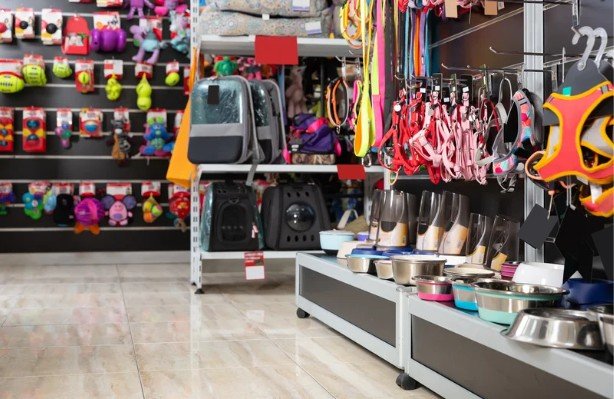
High-demand or essential items should never be placed randomly. Position them deeper inside the store so customers are exposed to more products along the way. This increases the chance of impulse purchases.
Meanwhile, promotional and seasonal items should be placed at eye level or near entrances to immediately capture attention. The goal is to balance necessity with discovery.
Use Visual Merchandising to Guide Attention
Visual merchandising plays a huge role in store success. Lighting, signage, and product displays should all work together to direct attention to key areas.
Use focal points to highlight bestsellers or new arrivals. Group complementary products together to encourage cross-selling. For example, placing shoes near socks or accessories encourages customers to buy more than one item.
Even subtle tools like color contrast or themed displays can significantly influence buying decisions.
Create Engaging Walkways and Zones
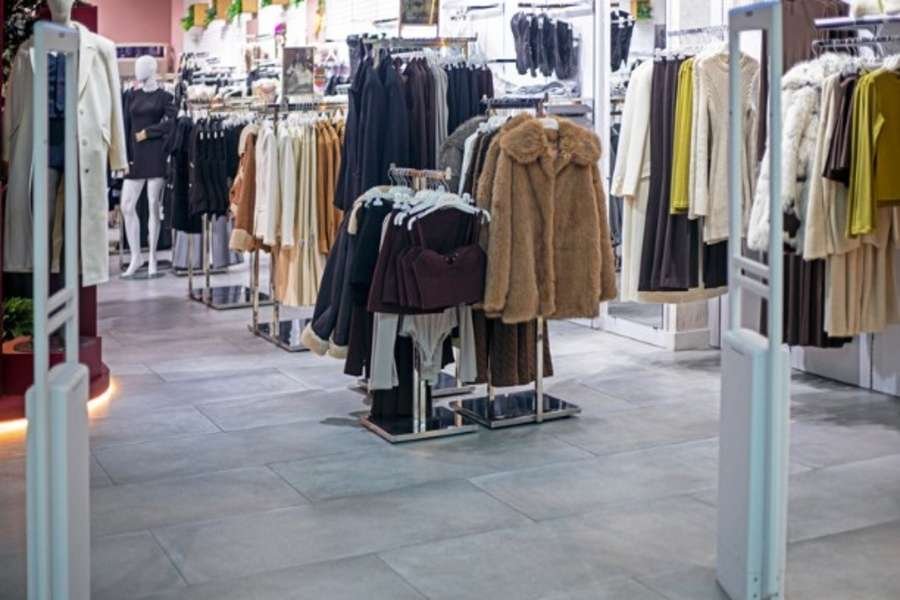
A well-designed store feels like a journey, not a maze. Break your space into zones based on product categories or customer needs. Each zone should feel distinct but still connected to the overall flow.
Interactive elements can also enhance engagement. For example, digital displays, product demos, or tactile experiences keep customers interested and increase time spent in-store.
In some stores, creative elements like floor graphics are used to subtly guide customers toward featured areas or promotions without overwhelming signage.
Optimize Checkout Placement

The checkout area is one of the most valuable zones in your store. It should be easy to find but not interrupt the shopping flow too early.
Place impulse-buy items near the checkout counter—small, affordable products that customers can grab while waiting. This simple strategy often increases final transaction value significantly.
Keep Flexibility in Your Design
Retail trends and customer preferences change quickly. A good store layout should be flexible enough to adapt. Use modular fixtures and movable displays so you can refresh your layout regularly.
Seasonal changes, promotions, and new product launches should be easy to implement without a complete redesign.
Prioritize Comfort and Experience
A successful retail layout isn’t just about sales—it’s about comfort. Proper lighting, ventilation, spacing, and signage all contribute to a positive shopping experience.
When customers feel comfortable, they stay longer. And the longer they stay, the more likely they are to purchase.
Final Thoughts
Planning a retail store layout that maximizes sales requires a mix of psychology, design strategy, and customer understanding. By carefully guiding movement, strategically placing products, and creating an enjoyable shopping environment, you turn your store into a high-performing sales space.
A thoughtful layout doesn’t just display products—it tells a story that leads customers naturally toward purchase decisions.