
The Responsible Hunter: Safety Practices That Save Lives
Hunting has long been a tradition that connects people with nature, builds survival skills, and fosters respect for wildlife. However, it also comes with serious responsibility. Every year, preventable accidents occur due to carelessness, poor preparation, or lack of awareness. Being a responsible hunter means prioritizing safety above all else—not just for yourself, but for everyone in the field. The right habits don’t just improve your experience; they can literally save lives.
Understanding Responsibility in Hunting
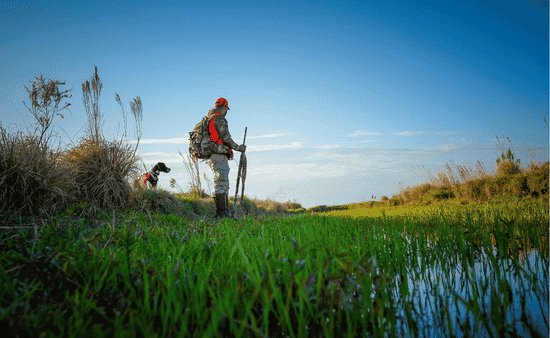
Responsibility in hunting begins long before stepping into the wild. It starts with knowledge, preparation, and mindset. A responsible hunter understands local regulations, respects wildlife conservation rules, and recognizes that every action has consequences.
Equally important is awareness of other hunters, hikers, and nearby communities. Hunting is not an isolated activity—it takes place in shared environments. That means discipline and caution are essential at all times.
Preparation: The First Step to Safety
Proper preparation significantly reduces risks in the field. Before heading out, hunters should always check their equipment, ensure proper functioning, and pack essential supplies such as navigation tools, first aid kits, water, and communication devices.
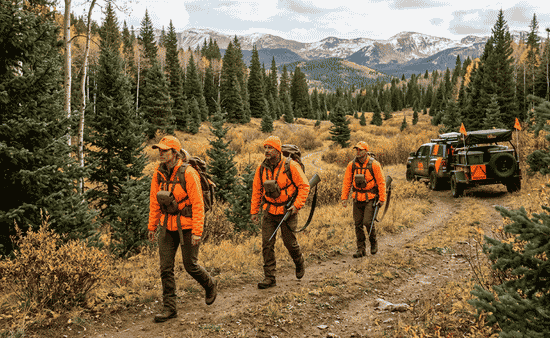
Clothing also plays a key role. Wearing high-visibility gear helps others identify your presence, reducing the chance of accidental encounters. Weather conditions should never be ignored either, as sudden changes can turn a safe outing into a dangerous situation.
Many experienced hunters also recommend reviewing the terrain beforehand. Studying maps and understanding the environment helps avoid getting lost and ensures safer movement through unfamiliar areas.
Safe Handling Practices in the Field
One of the most critical aspects of hunting safety is proper handling of equipment. Always assume control and awareness of your surroundings. Muzzle discipline, clear target identification, and careful handling reduce the risk of accidents.
A responsible hunter never rushes decisions. Taking time to confirm a safe shot and ensuring a clear line of sight prevents tragic mistakes. Communication with hunting partners is also essential, especially in group settings where coordination matters.
Even when resting or moving through the field, safety awareness should never be relaxed. Many accidents happen during moments of distraction, not action.
The Role of Awareness and Environment
Nature is unpredictable. Terrain, wildlife behavior, and weather conditions can change quickly. Responsible hunters constantly assess their environment and adjust accordingly.
Sound awareness is also important. Many hunters rely on silence and focus, but it is equally important to stay alert to distant movement, voices, or environmental cues. Awareness helps prevent accidental encounters with other hunters or wildlife surprises.
In some hunting setups, a trailer for hunting is used to transport gear safely into remote areas. Even in such cases, proper loading, securing equipment, and cautious travel are essential parts of safe hunting practices.
Ethical Decisions Are Safety Decisions
Ethics and safety are closely connected. Responsible hunters never take unsafe shots or act impulsively. Respecting distance, identifying targets clearly, and avoiding risky situations ensures both ethical conduct and physical safety.
Respect for wildlife is also part of responsibility. Overconfidence or reckless behavior can lead to dangerous encounters with animals. A calm, respectful approach minimizes risks and supports sustainable hunting practices.
Communication and Group Safety

When hunting in groups, communication becomes one of the most important safety tools. Establishing signals, maintaining visibility, and setting clear boundaries help prevent misunderstandings in the field.
Hunters should always know each other’s positions and avoid entering another person’s shooting zone. Even experienced groups rely heavily on communication to maintain order and safety throughout the hunt.
Emergency Preparedness
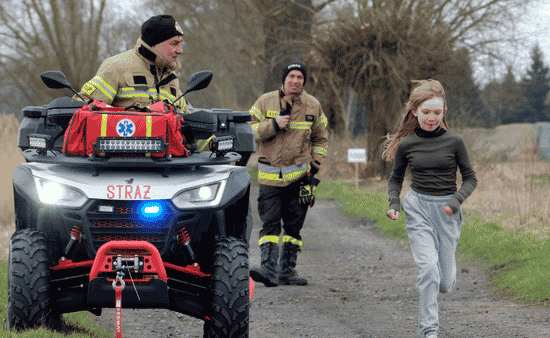
Even with careful planning, emergencies can still happen. That is why every hunter should know basic first aid and carry emergency supplies. Understanding how to respond to injuries, getting lost, or sudden weather changes can make a significant difference in outcomes.
Carrying a reliable communication device ensures help can be reached quickly if needed. Preparedness is not about expecting danger—it is about being ready if it arises.
In Conclusion
Being a responsible hunter is about more than skill or success in the field. It is about discipline, awareness, and respect—for nature, for others, and for oneself. Safety practices are not optional; they are essential habits that protect lives and preserve the integrity of hunting traditions.
Every decision, from preparation to execution, shapes the outcome of a hunt. When responsibility becomes second nature, hunting remains not only safer but also more meaningful and sustainable for generations to come.