
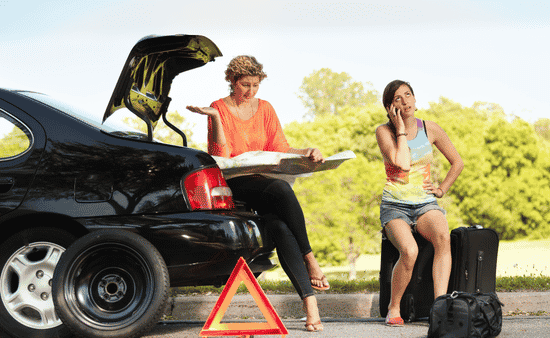
Stranded? What to Do When Your Car Breaks Down on the Road
Cruising down the highway with your favorite music playing is a great feeling, right up until the moment your engine starts sputtering. A warning light flashes on your dashboard, and you feel the steering wheel grow heavy. Experiencing a vehicle breakdown mid-journey can easily rattle even the most experienced drivers.
Prioritize Your Immediate Safety
The moment you realize your car is failing, your primary focus must shift to safety. Panic is a natural response, but keeping a cool head will help you maneuver the vehicle out of harm’s way.
First, take your foot off the accelerator. Do not slam on the brakes, as this can cause you to lose control or trigger a rear-end collision. Instead, use your remaining momentum to carefully steer your vehicle toward the right shoulder of the road. If you are on a multi-lane highway and cannot reach the right side, pull over to the left median as far away from moving traffic as possible.
Once you have come to a complete stop, immediately turn on your hazard lights. These blinking lights act as a universal distress signal, alerting other drivers that your vehicle is stationary and they need to give you plenty of space. Engage your parking brake and turn your steering wheel away from the road, which prevents your car from rolling into traffic if it is struck from behind.
Assess the Situation Carefully
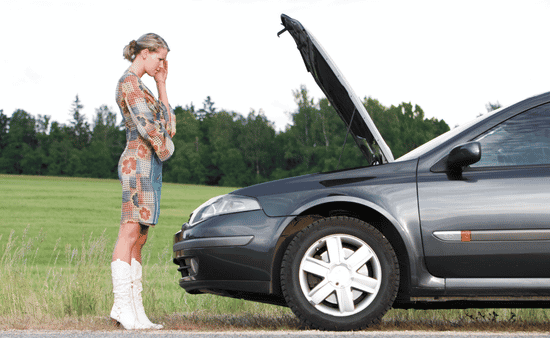
After securing your vehicle, take a moment to evaluate the problem. You do not need to be a master mechanic to perform a basic assessment, but you do need to remain cautious.
Look at your dashboard to see if any specific warning lights are illuminated. A temperature gauge in the red zone indicates an overheated engine, while a battery symbol suggests electrical failure. If you suspect a flat tire, you might hear a loud flapping noise or feel the car pulling sharply to one side.
If you see smoke coming from under the hood, or if you smell something burning, exit the vehicle immediately and move to a safe distance. Do not attempt to open the hood if you suspect a fire. For less severe issues, you might choose to step out and inspect the tires, but only do this if you are safely pulled over and far away from passing traffic. If you are stopped on a busy highway with a narrow shoulder, it is often much safer to remain inside the car.
Get the Right Help
Once you understand the basic nature of the problem, it is time to call for assistance. Use your smartphone to pinpoint your exact location. Look for mile markers, exit signs, or prominent landmarks that can help emergency responders or tow truck drivers find you quickly.
If you have a roadside assistance plan through your insurance or a membership club, give them a call first. They can usually dispatch a professional to help with a tire change, jump-start, or fuel delivery.
For more severe mechanical failures, you will need a tow. If you happen to be traveling through Michigan and experience a major breakdown, you might search for reliable flatbed towing services in Ann Arbor to ensure your vehicle is transported safely to a repair shop without sustaining further damage. Flatbed trucks are highly recommended for all-wheel-drive vehicles or cars with severe suspension damage, as they keep all four wheels off the ground during transport.
If your vehicle is stuck in a dangerous position, such as the middle of an intersection or a blind curve, dial 911 immediately. Police can dispatch a cruiser to block traffic and protect your car until a tow truck arrives.
Stay Safe While You Wait
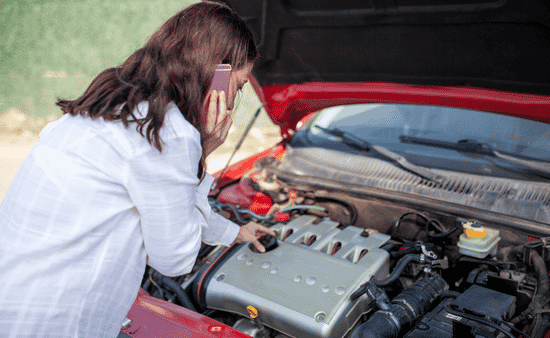
Waiting for help to arrive can feel like an eternity. Maintaining your safety during this holding period is crucial.
If you were able to pull well off the road into a safe area, remain inside your locked vehicle with your seatbelt fastened. Your car provides a strong physical barrier against passing traffic. Keep your windows rolled up and avoid accepting help from strangers who pull over, as it is much safer to wait for the verified professional you contacted.
If you must exit the vehicle—perhaps because you are stopped in a dangerous lane of traffic—do so from the side facing away from the road. Quickly move behind a guardrail or up an embankment. Never stand directly in front of or behind your broken-down vehicle.
To stay comfortable, keep a basic emergency kit in your trunk. Items like warm blankets, bottled water, a flashlight, and a portable phone charger can make a long wait much more tolerable, especially during extreme weather conditions.
Prevent Future Breakdowns
While some vehicle failures are entirely unpredictable, the vast majority can be prevented through proactive maintenance. Taking care of your car significantly reduces the chances of being stranded on the side of the road.
Make a habit of checking your vehicle’s essential fluids regularly. Keeping your engine oil, coolant, and transmission fluid at the proper levels will prevent catastrophic engine failure.
Pay close attention to your tires. Check the tire pressure monthly and inspect the tread for signs of uneven wear. A well-maintained set of tires will prevent blowouts at high speeds. Additionally, have your battery tested twice a year, especially before the extreme temperatures of summer and winter, to ensure it holds a proper charge.
Listen to your car. If you hear an unusual squeal when braking or a grinding noise when turning, do not ignore it. Schedule a diagnostic appointment with a trusted mechanic to address these small issues before they turn into major roadside emergencies.
Conclusion
A roadside breakdown disrupts your schedule and tests your nerves, but it does not have to be a disaster. By moving to a safe location, using your hazard lights, and contacting the appropriate towing or emergency services, you can protect yourself and your passengers from harm.

Related Posts
The Benefits of Owning a Toy Hauler for Outdoor Travel

How to Ensure Your Truck is Road-Ready and Safe