
Anti-Inflammatory Foods List for Beginners for Everyday Eating
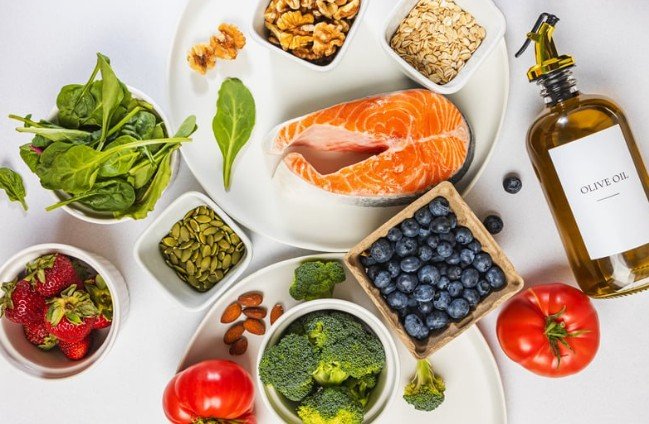
If you are searching for an anti-inflammatory foods list for beginners, the basics matter most. Focus on whole foods like berries, leafy greens, fatty fish, olive oil, nuts, seeds, and colorful vegetables, while easing back on processed foods, added sugar, and refined carbs. This approach supports gut health, helps lower chronic inflammation, and feels sustainable instead of restrictive.
Many people think an anti-inflammatory diet is expensive or complicated. I did too. In reality, it works best when you add the right foods rather than follow strict rules. A smart grocery list, simple swaps, and repeatable meals go a long way.
What Are Anti-Inflammatory Foods?
Anti-inflammatory foods help reduce low-grade, chronic inflammation in the body. Chronic inflammation links to heart disease, diabetes, joint pain, gut issues, and fatigue. Instead of targeting symptoms, these foods work at the root by supporting immune balance and gut health.
For beginners, the biggest win comes from consistency, not perfection. When you eat more fiber, antioxidants, and healthy fats, your body responds quickly. Energy improves, digestion feels smoother, and cravings often drop within weeks.
Trusted organizations consistently highlight whole foods as the foundation of inflammation control. That evidence supports a food-first approach over supplements.
Anti-Inflammatory Foods List for Beginners (Core Categories)
Fruits That Fight Inflammation
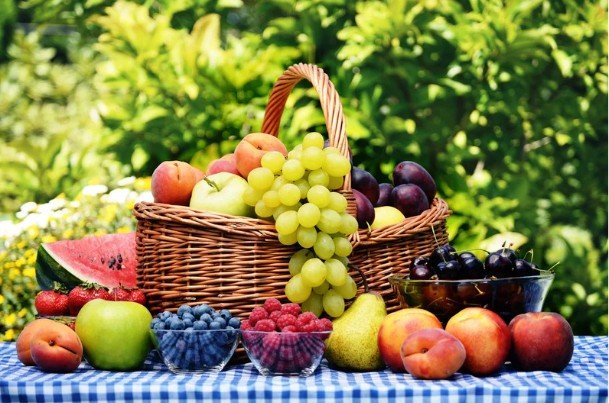
Fruits provide antioxidants and polyphenols that help neutralize inflammatory stress in the body.
- Berries: blueberries, strawberries, raspberries
- Citrus fruits: oranges, lemons, grapefruit
- Cherries and apples
Berries deserve special mention. They are easy to add to breakfast, snacks, or smoothies and deliver strong anti-inflammatory benefits with minimal effort.
Vegetables to Eat Daily
Vegetables form the backbone of any anti-inflammatory foods list for beginners. Color matters here because pigments signal different antioxidants.
- Leafy greens: spinach, kale, collards
- Cruciferous vegetables: broccoli, cauliflower, Brussels sprouts
- Colorful vegetables: bell peppers, carrots, tomatoes, sweet potatoes
Aim to include at least two colors per meal. This habit alone improves nutrient diversity and gut health.
Healthy Fats That Reduce Inflammation
Not all fats cause inflammation. The right ones actively reduce it.
- Extra virgin olive oil
- Avocados
- Nuts: walnuts, almonds
- Seeds: chia seeds, flaxseeds
Olive oil works especially well when used as a replacement for butter or refined oils. Even one tablespoon per day makes a difference.
Protein Sources That Support Recovery
Protein matters for muscle repair, immune balance, and blood sugar stability.
- Fatty fish: salmon, sardines, mackerel
- Legumes: lentils, chickpeas, beans
- Lean poultry: minimally processed chicken
Fatty fish stands out because omega-3 fats directly counter inflammatory pathways. Two servings per week offer measurable benefits.
Whole Grains That Calm the Gut
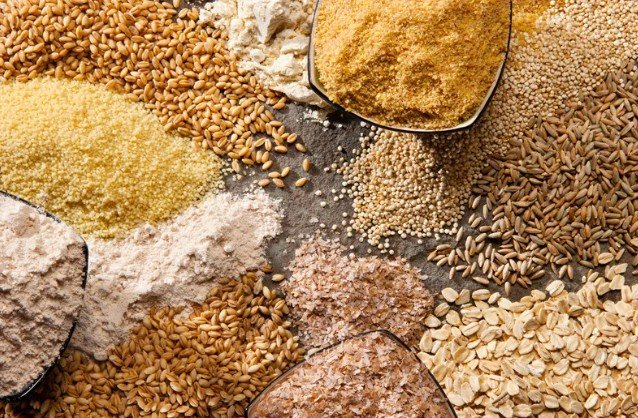
Whole grains provide fiber, which feeds beneficial gut bacteria.
- Oats
- Quinoa
- Brown rice
- Barley
Fiber helps reduce inflammation by improving digestion and lowering blood sugar spikes.
Herbs and Spices With Anti-Inflammatory Power
Spices deliver concentrated benefits in small amounts.
- Turmeric
- Ginger
- Garlic
- Cinnamon
- Rosemary
Turmeric works best when paired with black pepper and healthy fat, such as olive oil.
Foods Beginners Should Reduce or Avoid
Cutting everything at once leads to burnout. Instead, reduce these foods gradually.
- Refined carbs: white bread, pastries, white pasta
- Sugary drinks: soda, sweetened juices
- Processed meats: bacon, sausage, hot dogs
- Fried foods and trans fats
Think reduction, not elimination. Each swap lowers inflammatory load.
Simple Swaps That Make This Diet Easy
Small changes create momentum. Try these beginner-friendly swaps.
- Sugary cereal → oatmeal with berries
- White bread → whole-grain toast with avocado
- Chips → a handful of almonds or roasted chickpeas
- Soda → water, green tea, or sparkling water with lemon
These swaps reduce inflammation without changing your entire routine.
3-Day Anti-Inflammatory Meal Plan for Beginners
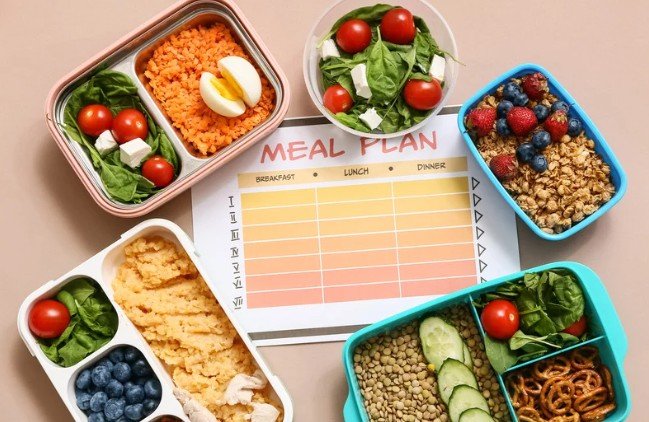
Day 1
Breakfast: Oatmeal with berries and walnuts
Lunch: Mixed green salad with chickpeas and olive oil
Dinner: Baked salmon with roasted broccoli and quinoa
Day 2
Breakfast: Smoothie with spinach, berries, and chia seeds
Lunch: Lentil soup with carrots and kale
Dinner: Chicken breast with sweet potato and green beans
Day 3
Breakfast: Greek yogurt with fruit and flaxseeds
Lunch: Tuna salad with avocado on whole-grain toast
Dinner: Tofu stir-fry with bell peppers and brown rice
This plan focuses on balance, not calorie counting.
How to Start an Anti-Inflammatory Diet as a Beginner
Step 1: Build a Smart Grocery List
Start with fruits, vegetables, olive oil, fish, legumes, and whole grains. Skip ultra-processed snacks.
Step 2: Add Before You Remove
Add one serving of berries or vegetables daily before cutting foods out.
Step 3: Cook Simply
Roast, grill, or sauté with olive oil. Complex recipes are unnecessary.
Step 4: Repeat Meals You Enjoy
Repetition builds habits and reduces decision fatigue.
Common Beginner Objections (Answered Early)
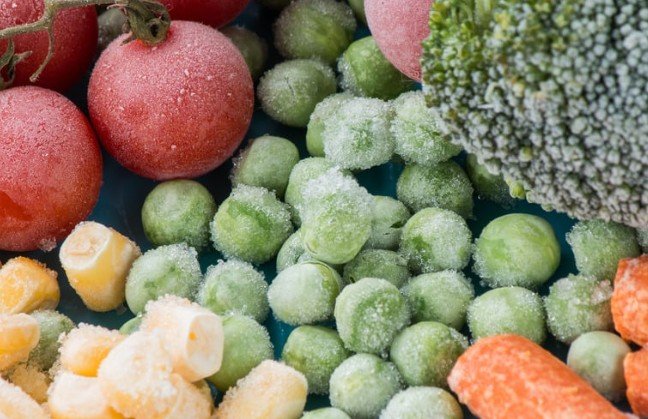
“This feels expensive.”
Frozen vegetables, beans, oats, and seasonal produce keep costs low.
“I do not have time.”
Most meals here take under 30 minutes or work as leftovers.
“I need supplements.”
Food delivers better results for most beginners than pills.
FAQs About Anti-Inflammatory Foods for Beginners
1. What is the best anti-inflammatory food to start with?
Berries and leafy greens offer the fastest benefits and are easy to add daily.
2. How long does it take to see results?
Many people notice better digestion and energy within two to three weeks.
3. Can beginners follow this diet long term?
Yes. This approach mirrors the Mediterranean diet, which supports long-term health.
4. Is coffee allowed on an anti-inflammatory diet?
Yes, in moderation. Coffee contains antioxidants that may reduce inflammation.
Final Thoughts
An anti-inflammatory foods list for beginners works best when it fits into real life, not when it feels restrictive. Focus on whole foods, simple swaps, and meals you genuinely enjoy eating. Small, consistent changes create the biggest impact over time. When the routine feels easy, sticking with it becomes natural, and progress follows without chasing perfection.