
7 Best Times to Explore Wildlife
Observing animals in their natural habitats offers a unique connection to the natural world. Timing plays a crucial role in the success of these outdoor adventures. Animals operate on specific biological clocks influenced by weather, seasons, and the availability of food and water.
Understanding these patterns greatly increases the chances of witnessing extraordinary animal behaviors. A poorly timed outing might result in seeing very little, as many species retreat to shelter during unfavorable conditions. Conversely, planning an excursion during periods of peak activity can transform a standard hike into a spectacular viewing opportunity.
By familiarizing yourself with the natural rhythms of nature, you can align your schedule with the movements of various species. Here are the seven best times to explore wildlife and maximize your chances of seeing animals in their natural element.
Animals adapt their movements based on temperature, predator presence, and energy conservation. Let us explore the specific times of day and times of year that offer the best viewing opportunities.
1. Dawn and Early Morning
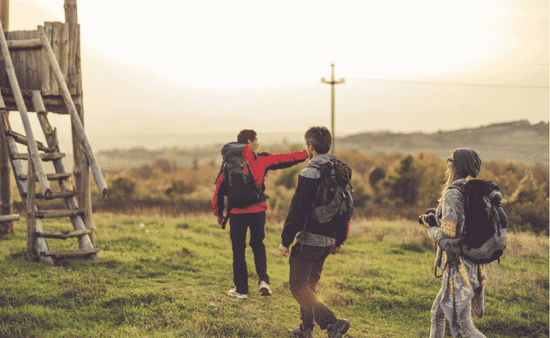
The period just before and shortly after sunrise is one of the most active times for many species. Nocturnal animals are finishing their nightly routines and returning to their dens. Simultaneously, diurnal animals—those active during the day—are just waking up and beginning to forage for food.
During these early hours, temperatures are generally cooler. This comfortable climate encourages movement, especially during the hot summer months. Birds are highly vocal at dawn, creating a symphony of sounds as they establish territories and seek mates. Herbivores like deer and elk frequently graze in open meadows while the morning dew is still present.
2. Dusk and Late Afternoon
Similar to the early morning, the late afternoon and dusk create a transition period that prompts significant movement. As the sun begins to set, temperatures drop, signaling to various creatures that it is safe to emerge from the shade.
Predators often use the fading light to their advantage, relying on the shadows to stalk their prey. Herbivores venture out for an evening meal before settling down for the night. This window of time provides fantastic lighting for photography, often referred to as the “golden hour,” which casts a warm and dramatic glow over the landscape and the animals.
3. Spring Breeding and Nesting Seasons
Spring brings a burst of life to ecosystems around the globe. Melting snow and frequent rain create an abundance of vegetation, drawing herbivores out of their winter hiding spots.
This season is characterized by intense mating rituals, territory disputes, and the building of nests. Birds migrate back to their summer breeding grounds, showcasing vibrant plumage and complex courtship dances. Mammals emerge from hibernation with a renewed need to consume calories. The sheer volume of newly born offspring makes spring an incredibly dynamic time to observe family dynamics and survival instincts in nature.
4. Summer Feeding Frenzies
While the intense heat of midday during summer can drive animals into hiding, the season overall provides ample viewing opportunities, particularly around water sources. Rivers, lakes, and coastal areas become major gathering points.
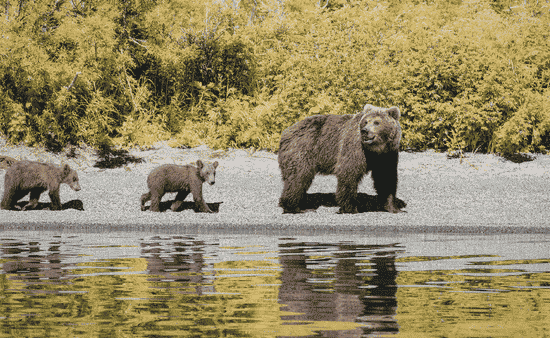
In northern regions, summer means massive salmon runs, which in turn attract large predators. Observers staying at a bear lodge in Alaska frequently witness brown bears fishing along the riverbanks during this time. The long daylight hours in these higher latitudes allow for extended observation periods, giving visitors ample time to watch animals hunt, forage, and interact within their social groups.
5. Autumn Migrations and the Rut
Autumn is a transitional phase defined by urgency. Animals must prepare for the impending winter, leading to widespread migrations and heightened activity.
Many bird species gather in massive flocks, traveling thousands of miles along established migratory routes. For mammals like elk, moose, and deer, autumn is the rutting season. Males engage in dramatic clashes, locking antlers to establish dominance and secure mating rights. The echoing sounds of bugling elk provide a thrilling auditory experience that complements the visual spectacle of the changing fall foliage.
6. Winter Solitude and Tracking
Winter might seem quiet, but it presents a unique set of advantages for careful observers. The lack of dense foliage on deciduous trees increases visibility, making it much easier to spot birds and tree-dwelling mammals.
A fresh blanket of snow transforms the landscape into a blank canvas, perfectly preserving tracks and signs of movement. By following these tracks, you can safely deduce the travel patterns and behaviors of elusive animals like wolves, foxes, and cougars. Some species also congregate in specific wintering valleys to escape harsh alpine conditions, resulting in concentrated groups of animals in accessible lower elevations.
7. Following Heavy Rainstorms
Weather events significantly dictate animal behavior. During a heavy downpour, most animals seek shelter to stay warm and dry. However, the period immediately following a storm triggers a flurry of activity.
Animals emerge from their hiding spots to dry off and resume foraging. The rain washes away older scents, making the environment fresh and damp, which is ideal for predators relying on smell. Furthermore, the newly formed puddles and softened ground attract a variety of amphibians and insects, which in turn draw larger predators and birds down to the forest floor.
Preparing for Your Next Animal Encounter
Maximizing your time in nature requires patience, respect, and careful planning. Always maintain a safe distance from wild animals to ensure both your safety and their well-being. Using binoculars or a telephoto lens allows for close-up views without causing stress to the subjects. By aligning your excursions with these seven optimal times, you will gain a deeper appreciation for the complex and fascinating behaviors of the animal kingdom.