
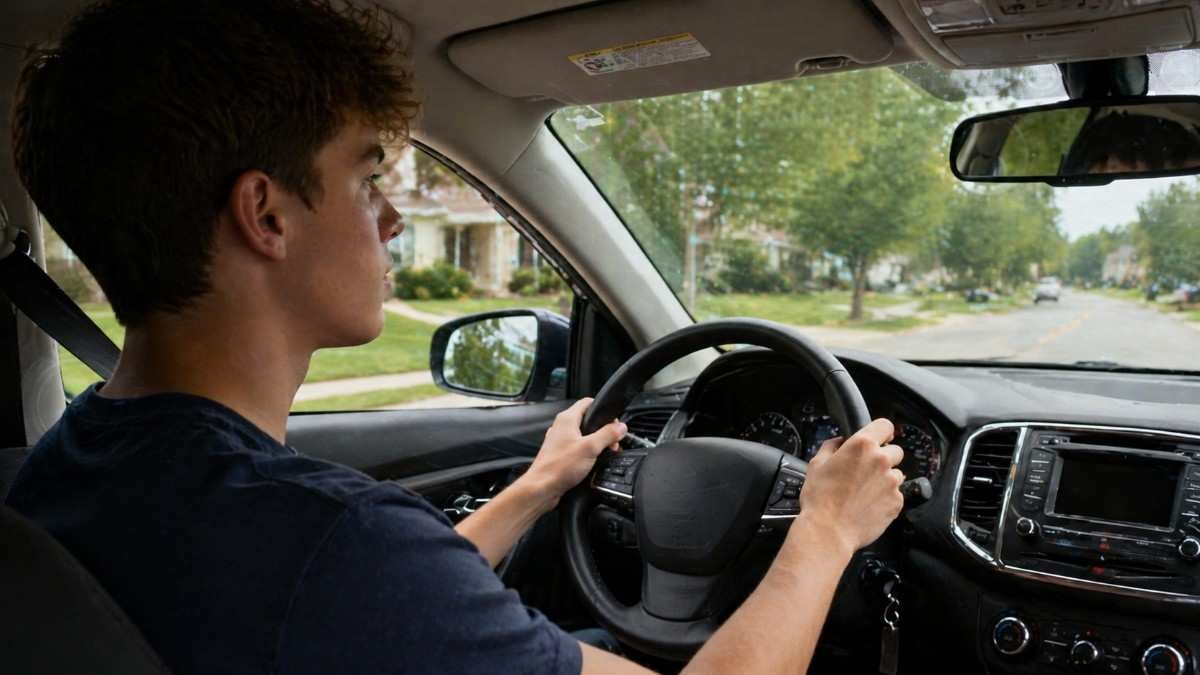
First Time Behind the Wheel: Essential Tips for New Drivers
Getting behind the wheel for the first time is exciting, but it can also feel overwhelming. New drivers often experience a mix of confidence and anxiety as they learn how to control a vehicle, follow traffic rules, and stay alert on the road. The good news is that driving is a skill that improves with practice, patience, and the right mindset.
Start with a calm and focused mindset
Before you even turn the ignition, your mindset matters. Nervousness is normal, but try not to let it take over. Take a few deep breaths and remind yourself that learning to drive is a gradual process. Avoid rushing into busy roads too soon. Start in quiet, low-traffic areas where you can get comfortable with steering, braking, and accelerating.
Learn the basics of vehicle control

Every new driver should master the fundamentals first. This includes understanding how to adjust your seat and mirrors properly, using indicators, and smoothly controlling the pedals. Practice starting and stopping the car gently. Jerky movements are common for beginners, but they improve with time.
Spend extra time learning how your car responds. Each vehicle feels slightly different, so building familiarity is key to driving safely. Make sure your car/truck is road ready.
Follow road rules carefully
Traffic rules are not just guidelines—they are essential for safety. Always obey speed limits, stop signs, and traffic lights. Keep a safe following distance from other vehicles to allow enough reaction time in case of sudden stops.
One of the most important habits new drivers should develop is scanning the road ahead, not just focusing on the car directly in front. This helps you anticipate hazards early.
Avoid distractions at all costs
Distractions are one of the leading causes of accidents, especially for beginners. Keep your phone out of reach while driving. Even a quick glance can be dangerous. Set your GPS before you start moving, adjust your mirrors in advance, and avoid multitasking behind the wheel. Music is fine, but keep it at a low volume so you remain fully aware of your surroundings.
Practice defensive driving
Defensive driving means being prepared for the unexpected. Always assume other drivers might make mistakes. Watch for pedestrians, cyclists, and sudden lane changes from other vehicles. Stay alert at intersections, as these are common areas for accidents. A helpful habit is to constantly check your mirrors and stay aware of what’s happening around your vehicle.
Learn from practice, not pressure
Driving is not something you master overnight. The more you practice, the more confident you become. Try practicing at different times of day once you’re comfortable, including early mornings or light traffic conditions. If possible, practice with an experienced driver who can guide you calmly without adding pressure.
Modern tools can help you drive safer
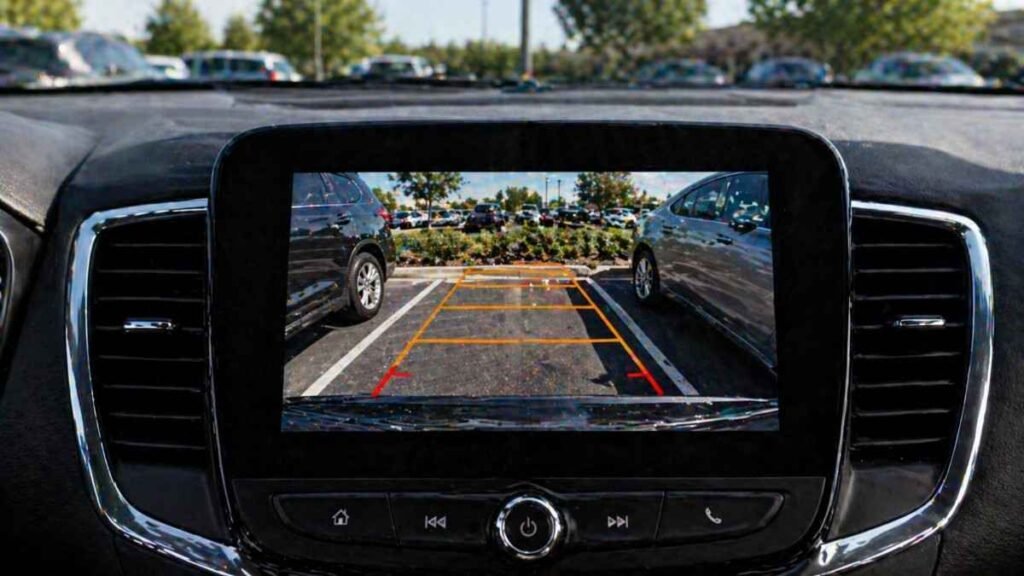
Technology can make driving easier and safer for beginners. Features like parking sensors and lane assist systems provide helpful support when you’re still learning spatial awareness. In some vehicles, especially in areas like Draper, backup cameras are commonly included, making reversing and parking much less stressful for new drivers.
Build confidence gradually
Confidence comes from experience. Start small, stay consistent, and don’t push yourself too quickly into challenging driving situations. Over time, tasks like merging into highways, parking in tight spaces, traveling alone to places and navigating busy roads will become second nature.
Final thoughts
Your first time behind the wheel is just the beginning of your driving journey. Stay patient, stay alert, and focus on improving step by step. With the right habits and steady practice, you’ll grow into a safe and confident driver.