How to Lower Blood Pressure Without Medication
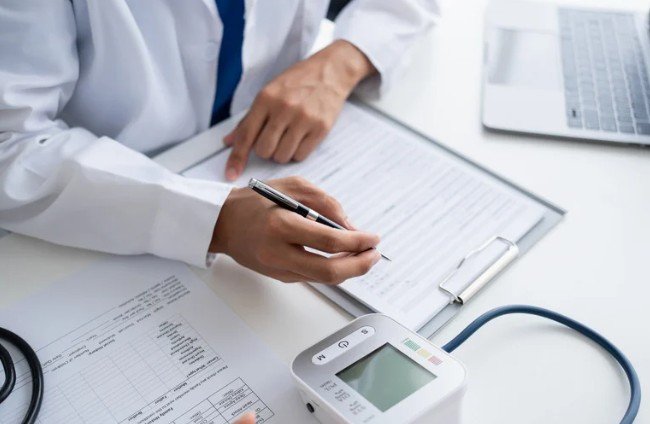
If you’re searching for how to lower blood pressure without medication, you’re likely looking for natural ways to improve your numbers without relying on pills. That goal is realistic for many people, especially in the early or moderate stages of hypertension. Consistent lifestyle changes can begin lowering blood pressure within weeks.
Simple adjustments to diet, movement, sleep, and stress management often lead to systolic drops of 5 to 15 mm Hg. These results don’t come from extreme plans. They come from practical habits that support your heart and blood vessels over time.
Why Lifestyle Changes Can Lower Blood Pressure Naturally
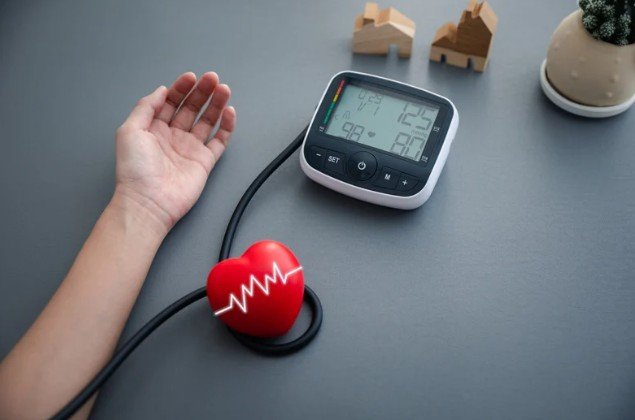
Blood pressure rises when blood vessels stiffen, narrow, or stay under constant stress. Medication helps manage this, but lifestyle habits directly improve the root causes. When you eat better, move consistently, sleep deeply, and manage stress, your heart pumps more efficiently, and your arteries relax.
Research from organizations like the American Heart Association shows that lifestyle changes can rival single-drug therapy for many people with stage 1 hypertension. The key is consistency, not perfection.
If you already take medication, these strategies still matter. They often improve results and may reduce future dosage needs under medical guidance.
How Diet Plays the Biggest Role in Blood Pressure Control
Follow the DASH Eating Pattern
The DASH diet focuses on fruits, vegetables, whole grains, lean protein, and low-fat dairy. It works because it reduces sodium while increasing minerals that relax blood vessels. Studies show it can lower systolic blood pressure by up to 11 mm Hg.
You do not need to follow it perfectly. Even partial adoption helps. I recommend starting with one meal per day built around vegetables, whole grains, and a lean protein.
Reduce Sodium Without Losing Flavor
Most sodium comes from packaged foods, not the salt shaker. Aim to stay under 2,300 mg per day, and closer to 1,500 mg if possible. Small reductions still improve blood pressure.
Simple swaps help:
- Choose fresh or frozen vegetables instead of canned
- Use herbs, lemon, garlic, and spices for flavor
- Read labels on sauces, breads, and snacks
Increase Potassium Intake
Potassium balances sodium and helps blood vessels relax. Foods like bananas, beans, avocados, spinach, and sweet potatoes are excellent sources. A daily intake of 3,500 to 5,000 mg supports healthy blood pressure unless restricted by kidney conditions.
How Exercise Lowers Blood Pressure Over Time
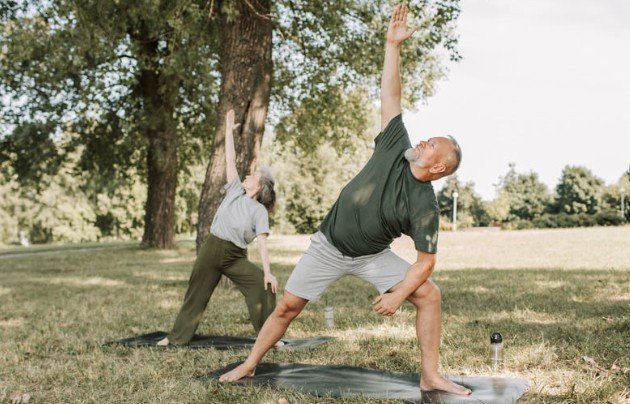
Regular movement trains your heart to pump with less effort. Over time, this reduces pressure on artery walls.
Aerobic Activity That Works
Aim for 150 minutes per week of moderate activity like brisk walking, cycling, or swimming. You can break this into 30 minutes, five days a week. Consistency matters more than intensity.
Isometric Exercises for Extra Benefit
Isometric holds, like wall squats or planks, reduce systolic pressure effectively. Just four sessions per week, held for short intervals, can make a measurable difference.
Weight Loss and Blood Pressure
Losing even 5 to 10 pounds lowers blood pressure. On average, blood pressure drops about 1 mm Hg for every kilogram lost. Focus on slow, steady progress rather than rapid weight loss.
How Sleep and Stress Directly Affect Blood Pressure
Sleep Quality Matters More Than You Think
Sleeping fewer than six hours per night for several weeks increases the risk. Aim for 7 to 9 hours of quality sleep. Keep a consistent bedtime, reduce screen use at night, and keep your bedroom dark and cool.
Stress Management That Actually Works
Chronic stress raises cortisol, which tightens blood vessels. You do not need hours of meditation. Even five minutes of slow breathing, yoga, or mindfulness lowers stress hormones.
I recommend pairing stress relief with an existing habit, such as deep breathing after brushing your teeth or stretching before bed.
Can You Lower Blood Pressure Quickly During a Spike?
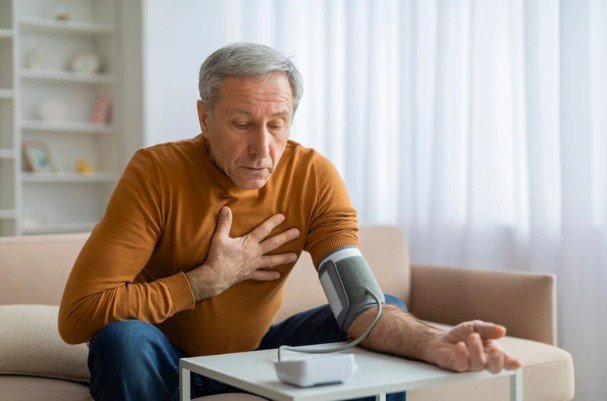
Temporary spikes happen due to stress, caffeine, or poor sleep. If your reading is high but not in emergency range, try this:
- Sit quietly and take slow, deep breaths for five minutes
- Lie down in a dark, calm room for ten minutes
- Take a warm, not hot, shower or bath
If your reading reaches 180/120 mm Hg and includes chest pain, shortness of breath, or vision changes, seek emergency care immediately.
Common Objections and Honest Answers
Is lifestyle change enough without medication?
For many people with mild to moderate hypertension, yes. Severe or long-standing cases may still require medication, but lifestyle changes always help.
How long does it take to see results?
Some people see improvements within two weeks. Most notice consistent changes within four to eight weeks.
Do I have to give up all salt and alcohol?
No. Moderation works. Limit alcohol to one drink per day for women and two for men.
How to Lower Blood Pressure Without Medication Step by Step
Step 1: Track Your Baseline
Check your blood pressure at home at the same time daily. Record readings to spot trends.
Step 2: Fix One Habit at a Time
Start with diet or walking. Avoid changing everything at once.
Step 3: Build a Simple Routine
Attach new habits to existing ones. Walk after dinner. Stretch before bed.
Step 4: Review Progress Monthly
Adjust sodium, activity, or sleep based on results.
Supporting Data and Credible Sources

- DASH diet trials show reductions of up to 11 mm Hg
- Aerobic exercise lowers systolic pressure by 5 to 8 mm Hg
- Weight loss improves vascular flexibility and insulin sensitivity
- Sleep deprivation correlates strongly with hypertension risk
These findings align with guidance from cardiology and public health research bodies.
FAQs
Can drinking water lower blood pressure?
Staying hydrated supports healthy blood volume and heart efficiency. It helps indirectly but does not replace other lifestyle changes.
Does quitting smoking help immediately?
Yes. Blood pressure drops soon after quitting, and long-term heart risk decreases significantly.
Should I check my blood pressure daily?
Daily checks help at first. Once stable, two to three times per week is enough.
Final Thoughts and Next Steps
Learning how to lower blood pressure without medication puts you back in control of your long-term health, not just your numbers. These changes work best when they become part of your daily routine rather than short-term fixes. Starting small makes habits easier to maintain, and consistency is what drives lasting results. Tracking your progress helps you see what’s working and keeps motivation high. Over time, these steady efforts can lead to better heart health, more energy, and greater confidence in managing your well-being.