Why Regular Electrical Maintenance Is Essential for Busy Commercial Kitchens
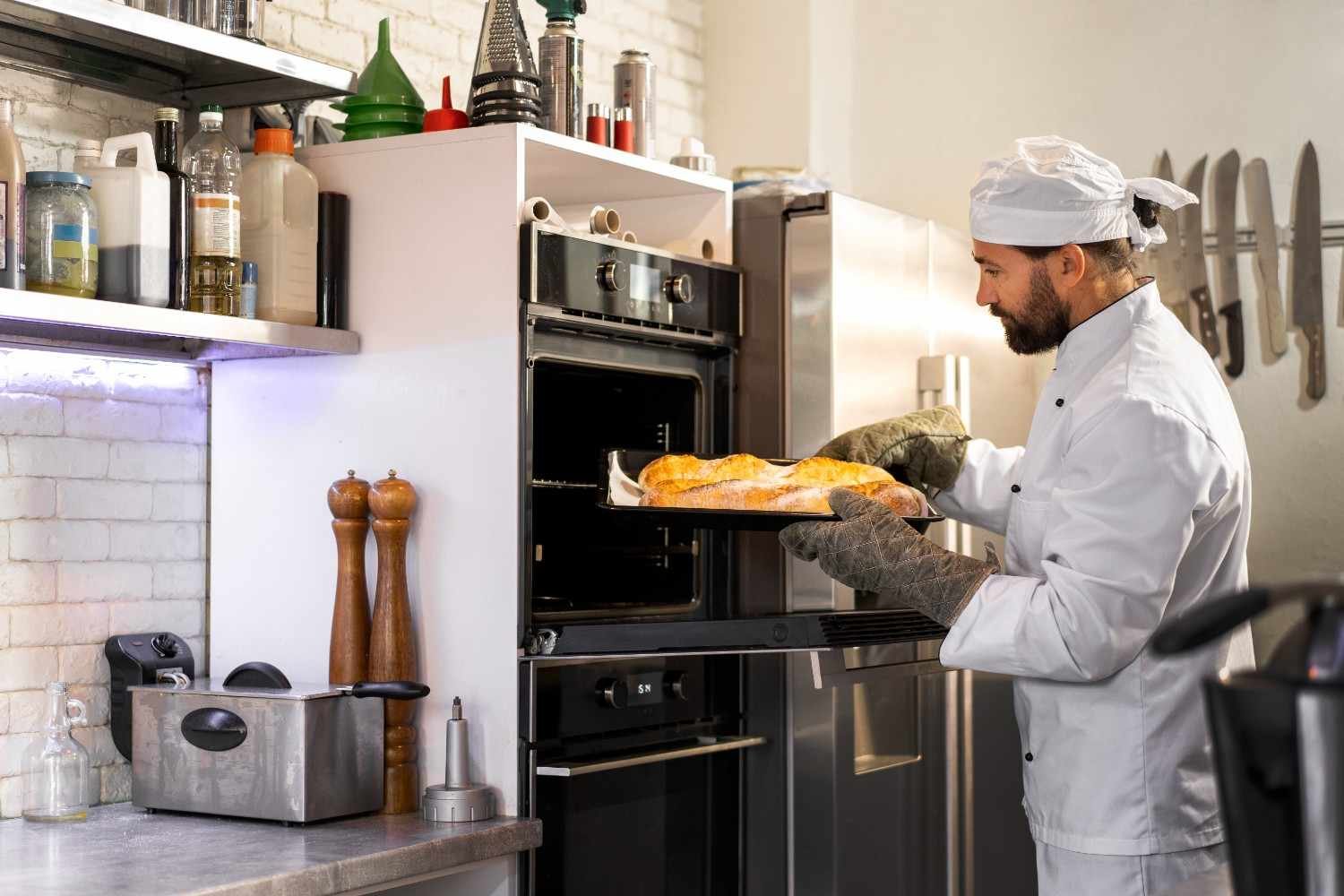
Commercial kitchens depend on electricity for daily operations, from refrigeration and ovens to ventilation and lighting. With nearly every piece of equipment needing a reliable electrical system, kitchens can operate efficiently and safely. However, the intense workload in busy restaurants puts significant strain on electrical components.
High-powered appliances often run simultaneously for extended periods, increasing the risk of wear and tear on circuits, outlets, and wiring.
Without regular inspections, minor electrical issues can quickly escalate into costly problems. For this reason, prioritizing electrical maintenance is crucial for restaurant owners. Routine maintenance ensures that systems remain safe, efficient, and capable of supporting demanding kitchen operations, which is critical for maintaining high standards of safety and service.
Preventing Equipment Failures and Costly Downtime
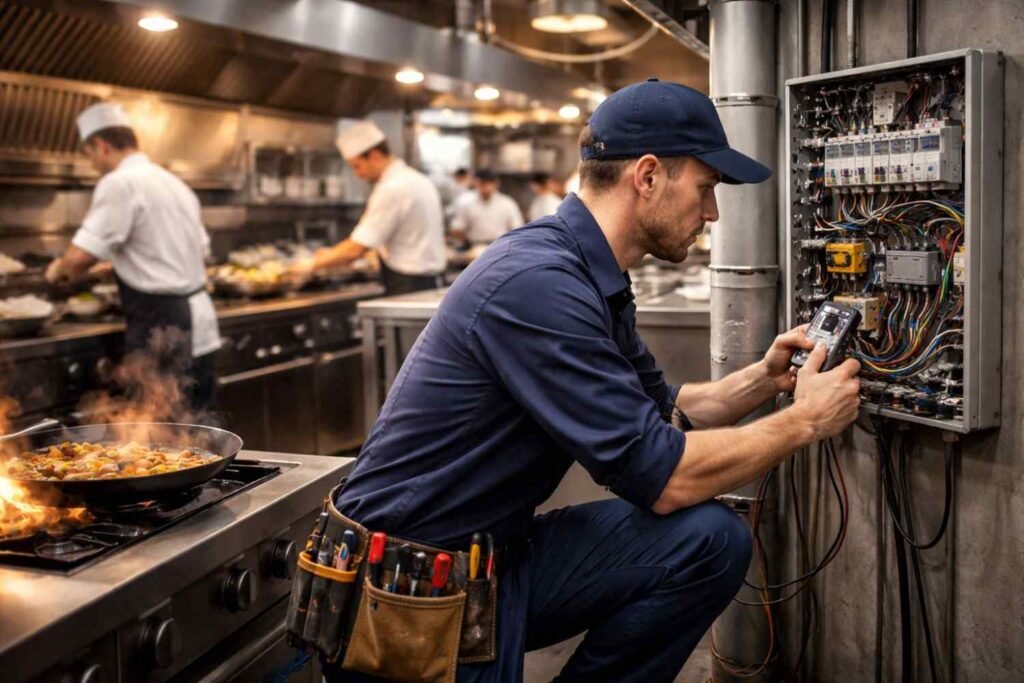
One of the biggest risks in a commercial kitchen is unexpected equipment failure. Electrical problems can cause essential appliances like ovens, refrigerators, and dishwashers to malfunction or shut down completely. If this happens during peak hours, it can bring restaurant operations to a halt. Routine electrical maintenance helps detect potential issues before they become serious.
Electricians inspect wiring, test circuit loads, and check connections to ensure everything functions correctly. These proactive steps significantly reduce the chances of sudden equipment breakdowns. By ensuring systems are reliable, preventative maintenance helps kitchens maintain consistent service, protecting them from disruptions that could affect customer experience and revenue.
Improving Kitchen Safety and Reducing Fire Risks
Maintaining electrical systems is crucial for safety in a commercial kitchen. The combination of heat, grease, and heavy equipment with faulty wiring or overloaded circuits significantly increases the risk of electrical fires. Routine inspections can identify hazards like worn wiring, loose connections, damaged outlets, and overloaded breaker panels. Addressing these issues early minimizes the risk of dangerous incidents.
Professional inspections are vital in high-demand environments like restaurants to ensure systems meet safety standards and operate correctly under heavy use. Upgrading to smart lighting solutions can also improve visibility in key work areas, helping staff operate more safely while reducing strain on traditional lighting systems.
For restaurant owners, protecting staff, customers, and property is a top priority, and consistent electrical maintenance helps create a safer working environment for everyone.
Supporting Energy Efficiency and Lower Operating Costs
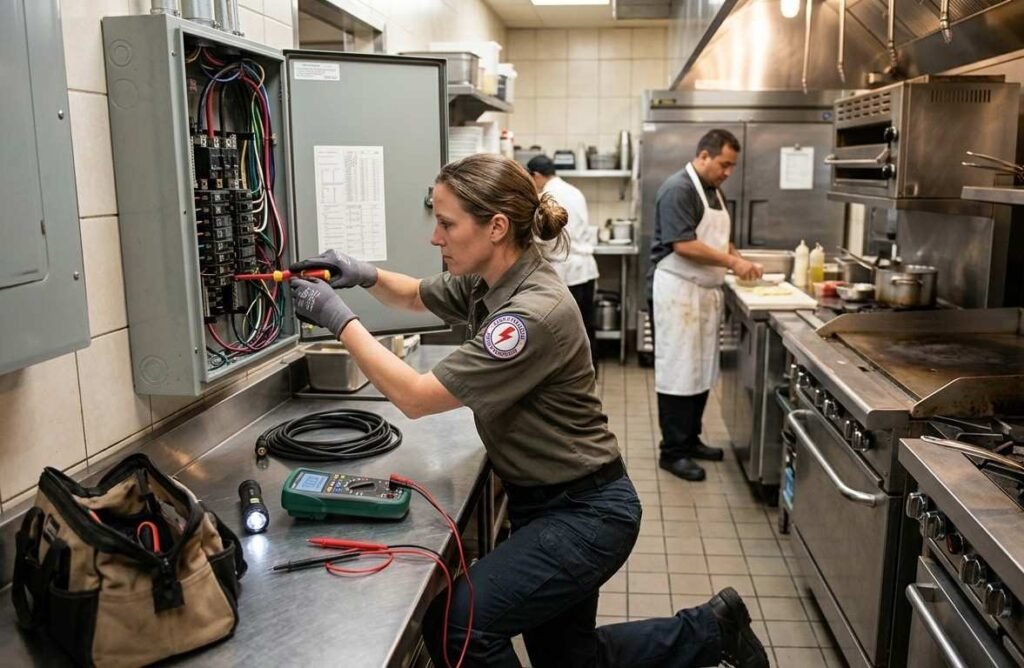
Regular electrical maintenance isn’t just about safety—it also boosts energy efficiency. Commercial kitchen equipment consumes a great deal of electricity, especially when appliances run all day. Properly maintained wiring, outlets, and electrical panels allow energy to flow more efficiently. In contrast, faulty wiring or overloaded circuits can force equipment to draw more power than necessary, inflating energy bills.
During routine maintenance, technicians can spot inefficiencies and suggest improvements. Tasks like tightening connections, balancing electrical loads, and inspecting power distribution systems can significantly reduce energy consumption. As a result, restaurants that invest in electrical upkeep often see lower operating costs, supporting more sustainable and less wasteful operations.
Ensuring Compliance with Local Safety Regulations
Commercial kitchens are required to follow strict safety and electrical regulations. To ensure that electrical systems meet local codes and standards, health inspectors and building authorities regularly inspect restaurant facilities. Failing to comply can lead to fines, temporary closures, or costly repairs.
Regular electrical maintenance helps restaurants stay compliant and prepared for these inspections. Qualified professionals can confirm that wiring, outlets, panels, and equipment meet safety guidelines. This proactive approach allows owners to fix problems before they become regulatory issues, enabling them to operate confidently and avoid disruptions.
Extending the Lifespan of Kitchen Equipment
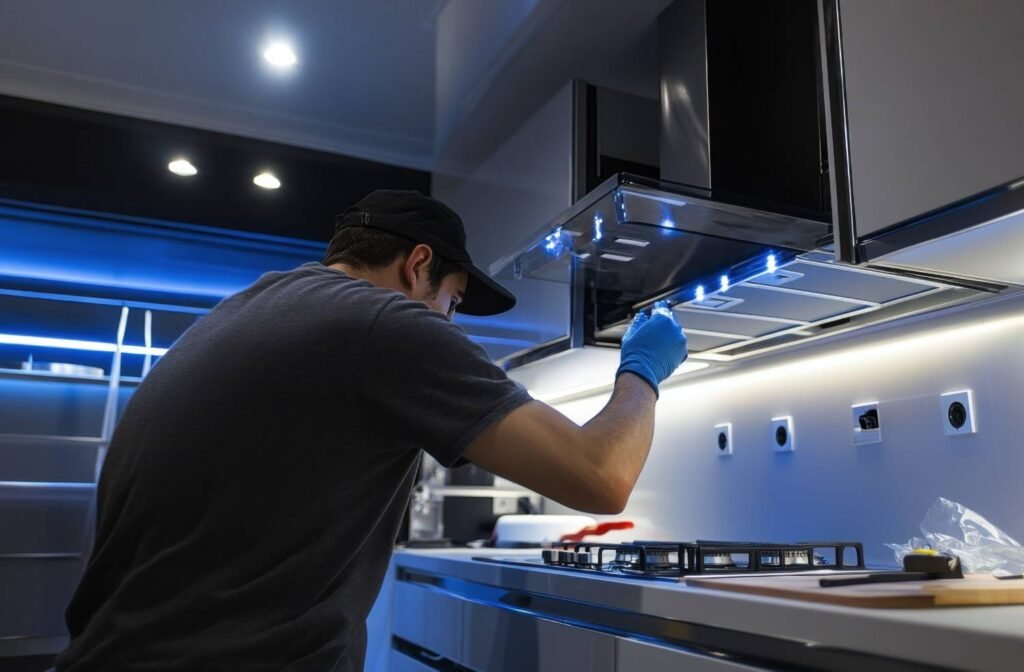
Commercial kitchen appliances are a major investment. Equipment like ovens, fryers, and refrigerators is expensive to repair or replace, and electrical problems can place extra strain on these machines. Power fluctuations, loose connections, or inconsistent voltage can shorten their lifespan.
Routine electrical maintenance stabilizes power flow and protects appliances from damage. Technicians can check voltage levels, inspect power supplies, and confirm that all equipment receives consistent electrical support. By extending the life of your equipment, you can maintain productivity and avoid frequent repair costs, ensuring your kitchen operations remain dependable.
Conclusion
Restaurant kitchens are fast-paced environments where reliability is essential. During service hours, every minute counts, and equipment failures can lead to chaos. Regular electrical maintenance in Draper helps ensure smooth, uninterrupted operations by verifying that circuits, outlets, and panels can handle the demands of a commercial kitchen.
By prioritizing these services, restaurant owners can have peace of mind knowing their electrical systems are prepared for daily challenges. This dependable infrastructure allows staff to focus on delivering quality meals and excellent service, helping the restaurant maintain productivity and customer satisfaction.