What Is That “amazon mktplace pmts” Charge on Your Bank Statement?
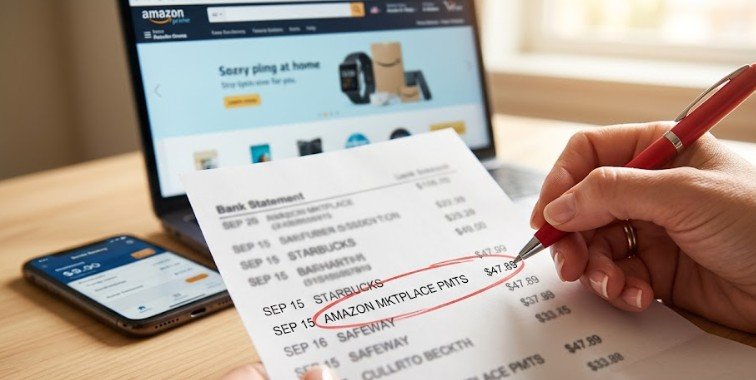
An unexpected charge labeled amazon mktplace pmts on your bank statement isn’t a scam or a system glitch. In over 90% of cases, it simply means you bought something from an independent, third-party seller on Amazon rather than directly from Amazon’s own warehouse stock. Because Amazon processes billions of transactions annually, they use distinct billing codes to route payments properly between their primary retail operation, digital media divisions, and millions of marketplace merchants.
Seeing an unfamiliar line item can spark instant panic about credit card fraud. However, understanding how Amazon formats its billing descriptor codes helps you trace the charge in minutes, protect your bank account, and resolve legitimate billing discrepancies.
Unpacking the Billing Code: What amazon mktplace pmts Means
When you place an order on Amazon, the credit card descriptor reflects the specific entity handling the fulfillment. The phrase amazon mktplace pmts stands for Amazon Marketplace Payments.
AMAZON TRANSACTION DESCRIPTORS
├── Direct Amazon Sales ──────► “AMZN Digital”, “Amazon.com”
└── Marketplace Sales ──────► “amazon mktplace pmts”, “AMZN Mktp US”
While purchases shipped directly from Amazon distribution centers often appear on bank records as Amazon.com or AMZN Digital, third-party merchant transactions clear under the marketplace code.
3 Reasons You See This Charge
1. Third-Party Marketplace Vendors
Over 60% of physical units sold on Amazon come from independent third-party sellers. When you buy from a small business or reseller through the platform, Amazon acts as the payment processor. They collect your funds under the marketplace payments label and transfer the payout to the merchant.
2. Digital Services, Kindle, and Subscriptions
Digital rentals, Kindle e-books, app store purchases, and certain third-party channel subscriptions (like Prime Video add-ons) often route through marketplace payment channels. Even if you don’t recall buying a physical package, a automatically renewed digital subscription frequently triggers this line item.
3. Split Shipments and Partial Charges
Amazon does not charge your credit card when you hit “Place Your Order.” Instead, charges occur when individual items actually ship. If you order five items from different sellers in a single shopping cart, your bank statement will reflect multiple separate charges, each under the marketplace code as individual items leave separate warehouses.
How to Audit and Verify Unrecognized Amazon Charges
If an amount on your checking or credit card statement doesn’t trigger an immediate memory, run through this simple process before calling your bank to open a fraud dispute.
STEPS TO VERIFY YOUR CHARGE
[Check Order History] ──► [Filter Digital Purchases] ──► [Review Household Profiles] ──► [Match Invoice Total]
- Check Your Order History: Log in to Amazon, navigate to Returns & Orders, and change the date filter to match the statement posting date. Remember that the bank posting date can lag 1 to 3 days behind your actual purchase date.
- Review Digital Transactions: Go to your account dashboard and select Transactions under the Payment Options tab. This section breaks down digital content, Prime video rentals, and recurring subscriptions that do not show up under standard physical shipments.
- Audit Household Accounts: If you utilize Amazon Household sharing, family members linked to your payment methods may have placed an order. Check with members of your household before assuming unauthorized access.
- Compare Invoices with Tax and Shipping: A total might look unfamiliar because it includes local sales tax or shipping fees. Open the official PDF invoice on Amazon to match the final calculated dollar amount to your bank record.
Comparing Common Amazon Statement Descriptors
To help you decode your monthly credit card statement, here is how Amazon categorizes common transactions:
| Statement Descriptor | Primary Transaction Type | Common Examples |
| amazon mktplace pmts | Third-Party Seller Purchase | Independent merchants, specialized brands, imported goods |
| AMZN Digital | First-Party Digital Goods | Kindle books, Prime Video rentals, Amazon Music subscriptions |
| Amazon.com | First-Party Retail Sales | Items sold and shipped directly by Amazon warehouse stock |
| AMZN Prime | Membership Fees | Annual or monthly Amazon Prime subscription charges |
Protecting Your Financial Safety Online
Consumer protection organizations like the Federal Trade Commission advise consumers to review monthly credit card statements regularly to spot unauthorized line items early. Catching unexpected charges early ensures you don’t miss formal dispute deadlines set by your financial institution.
If you confirm that an amazon mktplace pmts entry is genuinely unauthorized:
- Report it directly to Amazon: Visit Amazon’s customer service hub to report an unrecognized charge. Amazon can search their entire system using the billing identification number from your bank statement.
- Lock your card: Use your banking mobile app to temporarily freeze the card while the charge is under investigation.
- File a bank dispute: If Amazon cannot locate the order under any linked account, contact your card issuer to file a dispute under the Fair Credit Billing Act.
Educational guides from consumer finance departments, such as the Consumer Financial Protection Bureau, note that federal law limits your liability for unauthorized credit card charges to $50, provided you notify your bank promptly after noticing the billing error.
Common Misconceptions About Marketplace Charges
A common misconception is that seeing amazon mktplace pmts means Amazon itself isn’t handling customer service or security. In reality, Amazon’s A-to-z Guarantee protects purchases made from third-party sellers. If a seller fails to deliver an item or sends a defective product, Amazon steps in to issue a full refund under their platform policies.
Another point of confusion occurs with pre-orders. When you pre-order an item months in advance from a marketplace vendor, the charge only posts when the item ships. This lag often leads buyers to forget the initial purchase, resulting in a surprise charge when the order finally processes.
Frequently Asked Questions
1. Can “amazon mktplace pmts” be a fraudulent charge?
Yes, any billing code can be spoofed or used in unauthorized transactions if your credit card numbers are compromised. Always match the date and dollar amount with your internal Amazon order history to confirm its legitimacy.
2. Why was I charged multiple times for a single order?
Amazon processes charges per shipment. If your order contains items coming from different third-party sellers, Amazon bills your credit card separately as each individual vendor packages and ships their portion of the order.
3. How long do I have to dispute an incorrect Amazon charge?
Under federal credit billing regulations, you generally have 60 days from the date your bank statement was sent to formally dispute an unauthorized or incorrect charge with your credit card company.
Decoding statement descriptors keeps your personal finances clear and stress-free. Seeing amazon mktplace pmts simply highlights the massive ecosystem of independent small businesses operating within the marketplace. By tracking your order receipts against bank posting dates, you can quickly verify your legitimate orders, manage recurring subscription fees, and keep your financial accounts completely secure.