
Understanding Last Mile Delivery: Key Insights and Benefits
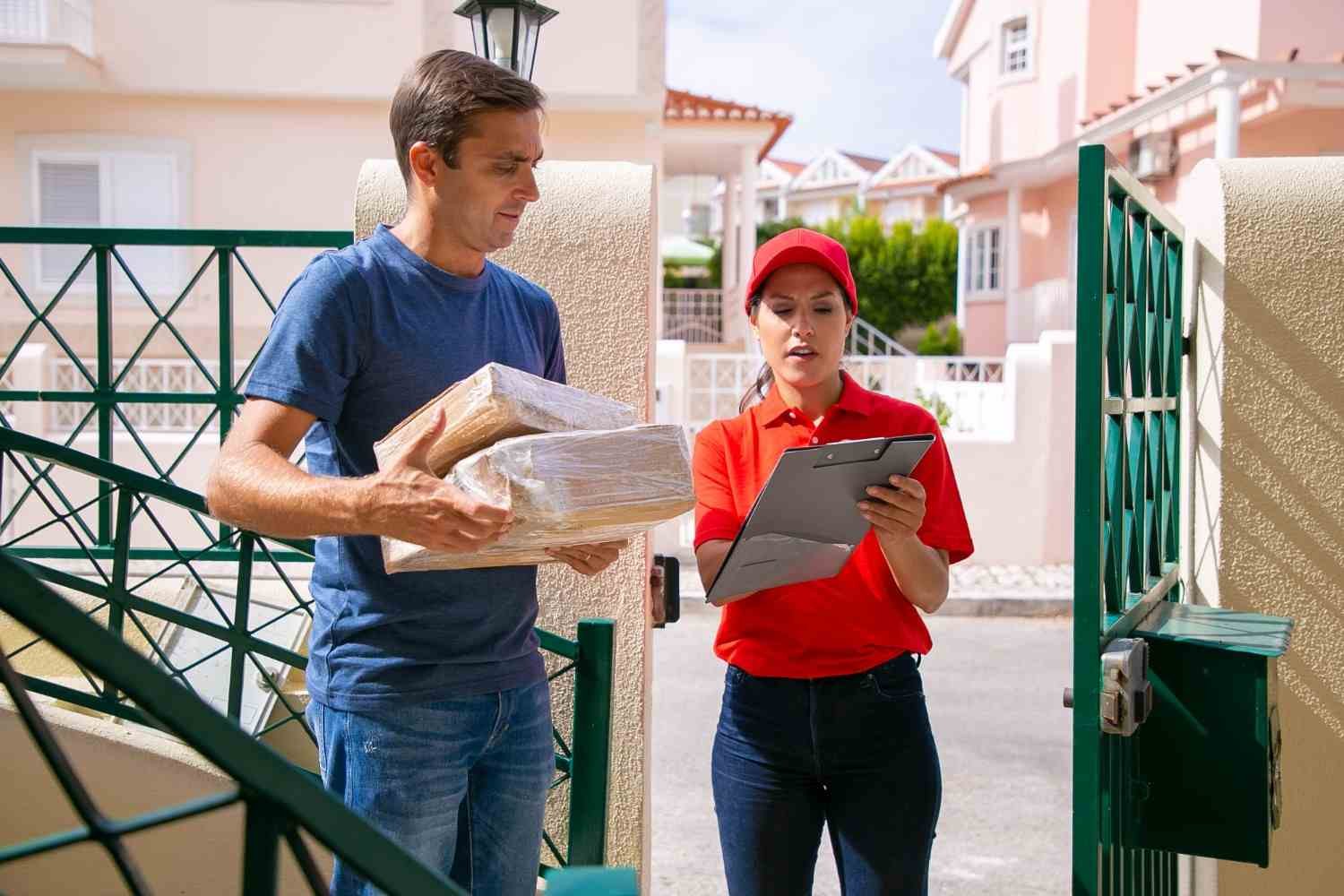
In recent years, the evolution of e-commerce and consumer expectations has placed significant emphasis on the final phase of product transportation, commonly referred to as last mile delivery. This stage involves the movement of goods from a distribution centre or transportation hub directly to the end customer. Despite its seemingly straightforward concept, last mile delivery presents complex challenges and opportunities that impact overall supply chain efficiency and customer satisfaction.
Definition and Scope of Last Mile Delivery
Last-mile delivery is the concluding step in the supply chain where products reach their final destination. This process can encompass deliveries to homes, workplaces, or even pick-up points. Traditionally regarded as the most time-consuming and costly segment of logistics, it directly affects delivery speed and service quality.
Role in Modern Supply Chains
As the volume of online orders increases globally, last-mile delivery has become a critical focus for retailers and logistics providers. It demands innovative strategies to manage issues such as traffic congestion, failed deliveries, and high operational costs. More importantly, it shapes the customer’s overall buying experience, influencing repeat purchases and brand loyalty.
Challenges Associated with Last Mile Delivery

The last mile stage faces numerous obstacles that complicate the delivery process. One significant challenge is urban congestion, which affects delivery speed and fuel efficiency. Narrow streets and limited parking can further hinder the movement of delivery vehicles, making urban last mile logistics particularly demanding.
Additionally, managing deliveries in rural or remote locations introduces complexity due to longer distances and fewer delivery points. This often results in higher costs and extended delivery times.
Another challenge involves the coordination of delivery schedules. Customers increasingly expect specific time windows for receiving their orders, requiring companies to optimise routing and scheduling efficiently. Failed deliveries due to customers being unavailable can create further complications, increased costs, and environmental impact.
Technological Innovations in Last Mile Delivery
Advancements in technology are transforming the last mile delivery landscape. Companies employ route optimisation software to reduce transit times and fuel consumption. This software analyses traffic patterns, delivery priorities, and vehicle capacity to design the most efficient routes.
Moreover, the use of real-time tracking systems enables customers to monitor their deliveries, thereby enhancing transparency and communication. This reduces anxiety about delivery status and may also allow customers to adjust their availability accordingly.
Automation and robotics are also emerging trends. Delivery drones and autonomous vehicles are being tested and occasionally implemented to address labour shortages and improve speed in specific areas.
Environmental Impact and Sustainability Considerations
With growing awareness of environmental issues, the last mile delivery segment has come under scrutiny for its carbon footprint. Frequent trips by delivery vehicles contribute significantly to urban air pollution and greenhouse gas emissions.
To mitigate these effects, companies are increasingly adopting eco-friendly delivery options. Electric vehicles, cargo bikes, and consolidated delivery methods help reduce environmental impact. In this context, planning saves more than money because better route coordination can also reduce fuel consumption, unnecessary mileage, and emissions. Additionally, some businesses focus on enhancing delivery efficiency to limit unnecessary journeys.
Benefits of Optimising Last Mile Delivery
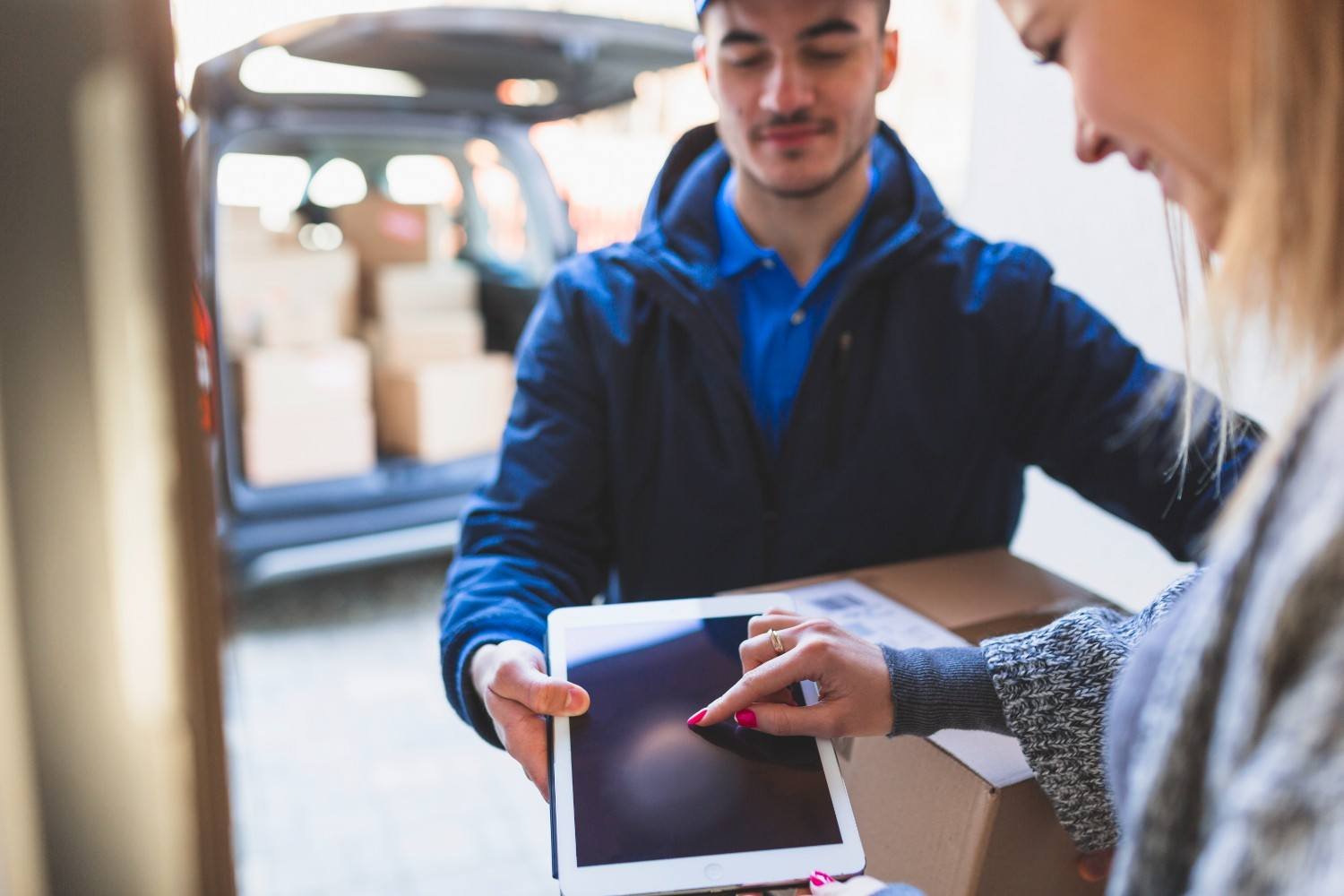
Efficient last mile delivery brings multiple benefits to both businesses and customers. From a commercial perspective, optimising this stage can significantly reduce operational costs through better route planning, minimised fuel consumption, and improved vehicle utilisation.
Enhanced delivery accuracy and speed improve customer satisfaction, fostering loyalty and strengthening brand reputation. In competitive markets, fast and reliable delivery services are critical differentiators that can influence consumers’ purchasing decisions.
Furthermore, streamlined last mile operations can enable flexible delivery options, such as same-day or next-day delivery, which are increasingly demanded by consumers.
Last Mile Delivery and Customer Experience
The experience at the final delivery stage often defines the customer’s perception of the entire purchasing process. Clear communication about delivery timeframes and updates on delivery status are fundamental to meeting customer expectations.
Companies investing in convenient delivery options, including alternative drop-off points and parcel lockers, provide customers with greater control, mitigating missed deliveries and enhancing satisfaction.
Conclusion
In summary, last mile delivery remains a pivotal element of modern logistics with substantial influence on operational costs, customer experience, and sustainability. Understanding the challenges and leveraging technological advancements can empower businesses to optimise this phase effectively.
As e-commerce continues to grow and consumer expectations evolve, companies focusing on last mile delivery improvements will likely gain a competitive edge, benefiting from increased efficiency and heightened customer satisfaction. Exploring more about last mile delivery helps stakeholders appreciate its complexity and the potential avenues for innovation and improvement.