
Aligning Athletic Coaching With Academic Standards: A Smarter Approach to Student Success
A student-athlete can win a championship and still struggle to graduate. That contradiction exposes a weakness in school sports programs: athletic performance often receives more structured attention than classroom progress.
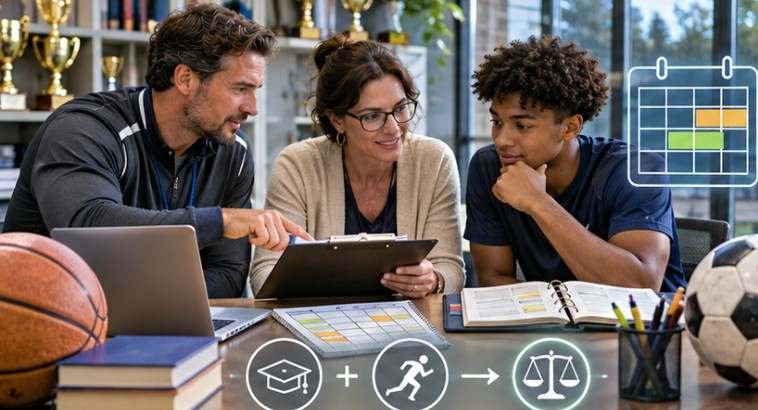
Aligning athletic coaching with academic standards means connecting training expectations, academic goals, student support, and personal development into one coordinated system. Rather than treating practices and homework as competing priorities, schools can build routines that strengthen both.
For coaches, the goal is not to become classroom teachers. It is to make academic responsibility part of the team’s culture while helping young athletes develop skills that matter beyond competition.
Connect Coaching Practices to Recognized Educational Standards
Academic alignment begins by identifying which classroom and developmental skills naturally appear in sports.
The SHAPE America National Physical Education Standards provide a useful framework. Updated in 2024, the standards emphasize motor development, movement knowledge, social skills, and personal responsibility.
Although these standards primarily guide physical education rather than extracurricular athletics, coaches can use their principles to strengthen learning.
Turn Sports Performance Into Applied Learning
Consider a high school football team reviewing game footage.
Instead of simply identifying mistakes, the coach can ask athletes to explain why a particular strategy failed, compare alternatives, and support their recommendations with observations.
This process develops analytical thinking and communication.
Other practical connections include:
- Mathematics: Calculate shooting accuracy, running pace, or performance trends.
- Science: Explore biomechanics, energy systems, hydration, and recovery.
- English: Practice reflective writing, goal-setting statements, and team presentations.
- Social studies: Discuss sportsmanship, leadership, equity, and community responsibility.
These activities supplement classroom instruction rather than replace subject-specific assessments.
Measure Learning Beyond Athletic Results
Winning games cannot demonstrate whether athletes have developed transferable academic skills.
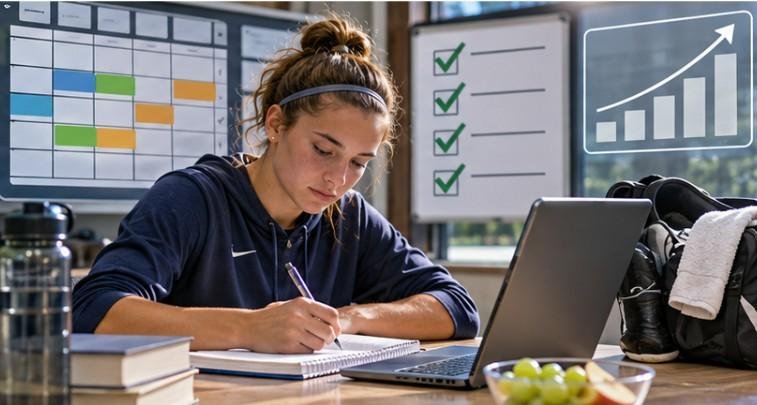
Coaches can use short reflection journals, strategy explanations, peer feedback, and personal development goals to evaluate learning.
For example, after a volleyball match, athletes might identify one tactical decision, explain its outcome, and propose an improvement.
The emphasis shifts from memorizing instructions to understanding decisions.
Establish Academic Expectations Before the Season
A strong academic culture requires clear standards that students understand before competition begins.
Coaches should coordinate with administrators and counselors to establish expectations concerning attendance, assignment completion, eligibility, and communication.
Understand Eligibility Requirements
The NCAA Eligibility Center identifies academic requirements for students planning to participate in collegiate athletics.
Division I prospective student-athletes generally need 16 approved core-course credits and a minimum 2.3 core-course GPA. Division II requires a minimum 2.2 core-course GPA, alongside its applicable coursework requirements.
These are college-entry eligibility standards, not universal high school participation rules.
Schools must follow their state athletic association and district eligibility policies rather than inventing conflicting requirements.
Replace Punishment-Only Policies With Support
Removing an athlete from competition may be required under eligibility rules, but punishment alone rarely addresses the underlying academic problem.
A more constructive approach combines accountability with intervention.
For example, an athlete struggling in algebra could receive scheduled tutoring, weekly progress reviews, and an adjusted study plan.
Coaches should recognize academic improvement, responsible communication, and consistent effort alongside athletic achievements.
Build Weekly Schedules That Protect Learning Time
Time management becomes difficult when practices, competitions, assignments, and family responsibilities overlap.
Rather than expecting teenagers to manage everything independently, teams can introduce predictable planning systems.
Create a Shared Academic-Athletic Calendar
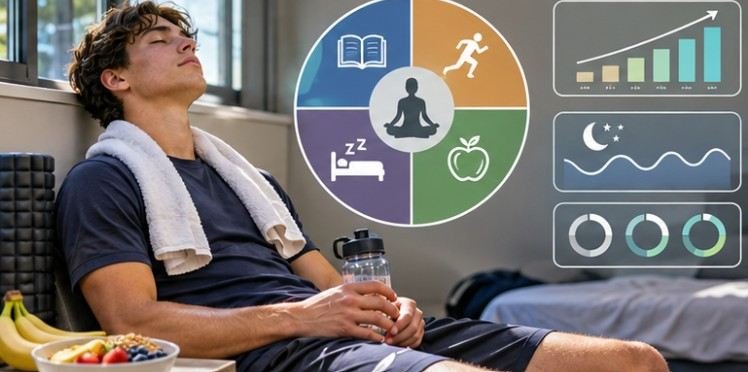
At the beginning of each week, athletes should record major tests, project deadlines, practices, competitions, and travel commitments.
Consider a student whose Friday away game conflicts with preparation for a Monday science examination.
The coach can encourage the student to begin reviewing on Wednesday, arrange academic support before departure, and communicate with the teacher beforehand.
Digital calendars and planners can make these commitments visible without requiring complicated scheduling software.
Make Study Support Accessible
Schools can offer supervised study periods before practice, tutoring partnerships, or designated homework sessions during travel-heavy seasons.
However, mandatory study halls should not simply extend an already exhausting school day.
Support must be flexible enough to accommodate transportation difficulties, family obligations, and students who require additional learning assistance.
Make Teachers, Coaches, and Counselors Partners
Academic problems often escalate because the adults supporting a student are working with incomplete information.
A coach may not know about an upcoming examination. A teacher may be unaware that a student will miss class for an away competition.
Schools can prevent these conflicts through scheduled communication.
A practical system includes brief preseason coordination, advance travel notifications, and regular student-led academic check-ins.
Students should remain active participants rather than becoming subjects of conversations between adults.
Protect Student Information
Communication must respect privacy. According to the U.S. Department of Education’s FERPA guidance, access to protected education records without consent is limited to qualifying school officials with legitimate educational interests, among other permitted exceptions.
Coaches should use school-approved procedures instead of requesting unrestricted access to grades or sharing academic concerns publicly.
Protect Recovery as Part of Academic Performance
Academic expectations cannot succeed when students are consistently exhausted.
The Centers for Disease Control and Prevention reports that 75% of students were not getting adequate sleep, based on 2025 data.
The American Academy of Sleep Medicine recommends 8–10 hours of sleep per day for teenagers ages 13–18.
Insufficient sleep can undermine concentration, emotional regulation, and classroom performance.
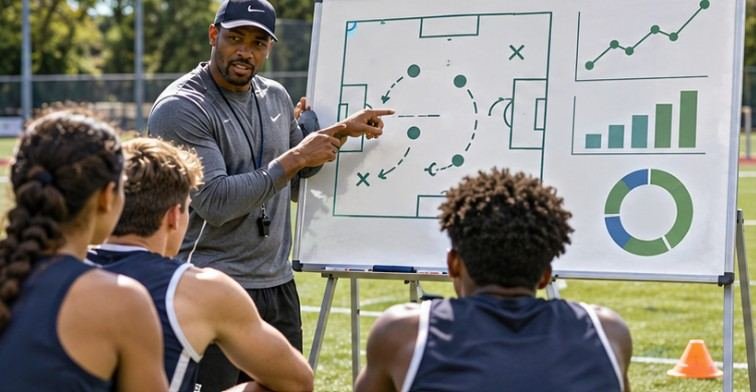
Coaches should reconsider unnecessarily late practices, excessive conditioning, and demanding schedules immediately before major examinations.
Nutrition, rest days, and appropriate recovery also deserve attention.
Athletes balancing demanding coursework with competitive seasons may need individualized schedules rather than identical expectations.
Common Mistakes That Undermine Academic Alignment
Schools sometimes confuse academic alignment with stricter eligibility enforcement.
However, grade thresholds alone do not teach organization, improve study habits, or address learning difficulties.
Another mistake is assuming every athlete has equal access to tutoring, technology, transportation, or family support.
Students with disabilities may also require accommodations through applicable educational support plans.
Finally, athletic participation should never substitute for required academic instruction or allow competitive success to excuse missed learning.
Effective programs maintain clear boundaries between coaching, teaching, and academic assessment while encouraging meaningful collaboration.
Frequently Asked Questions
1. What does aligning athletic coaching with academic standards mean?
It means coordinating athletic expectations with classroom learning, educational requirements, student development goals, and academic support systems to help athletes succeed in school and sports.
2. How can coaches improve student-athletes’ academic performance?
Coaches can encourage consistent study routines, communicate with teachers, promote tutoring, monitor approved progress indicators, and recognize academic responsibility alongside athletic achievement.
3. Should student-athletes have minimum GPA requirements?
Schools should follow applicable district and state athletic eligibility policies. Academic standards work best when paired with early intervention, counseling, and individualized learning support.
4. Can athletic coaching support classroom learning?
Yes. Sports create opportunities to practice mathematical reasoning, scientific analysis, communication, leadership, and problem-solving when coaches deliberately connect activities to learning objectives.
The Bigger Goal Is Success Beyond the Playing Field
A successful school athletics program should prepare students for more than their next competition.
When coaches reinforce academic responsibility, protect recovery time, and collaborate with educators, athletic participation can become a meaningful extension of the school experience.
The strongest approach does not demand that students choose between academic achievement and athletic ambition. Instead, it creates practical systems that help them pursue both without sacrificing their well-being.
Ultimately, a championship measures one season. The habits students develop through education-centered coaching can influence their opportunities for years. That is the standard worth building a team around.