How the US Immigration System is Evolving: What You Need to Know
Immigration policies change constantly. Staying updated helps applicants and their families understand their legal options. The rules govern how people visit, work, and build lives in the country. This article explains recent shifts in the US immigration system. We will cover major policy updates, current administrative challenges, and new opportunities for applicants.
Major Policy Shifts to Watch
The federal government regularly updates rules regarding who can enter and stay in the country. Recent adjustments focus on border management and family reunification. Officials want to make lawful pathways more accessible. At the same time, they are tightening specific criteria for asylum seekers at the southern border. These shifts require applicants to review their eligibility carefully before submitting any paperwork.
Processing Times and Backlogs
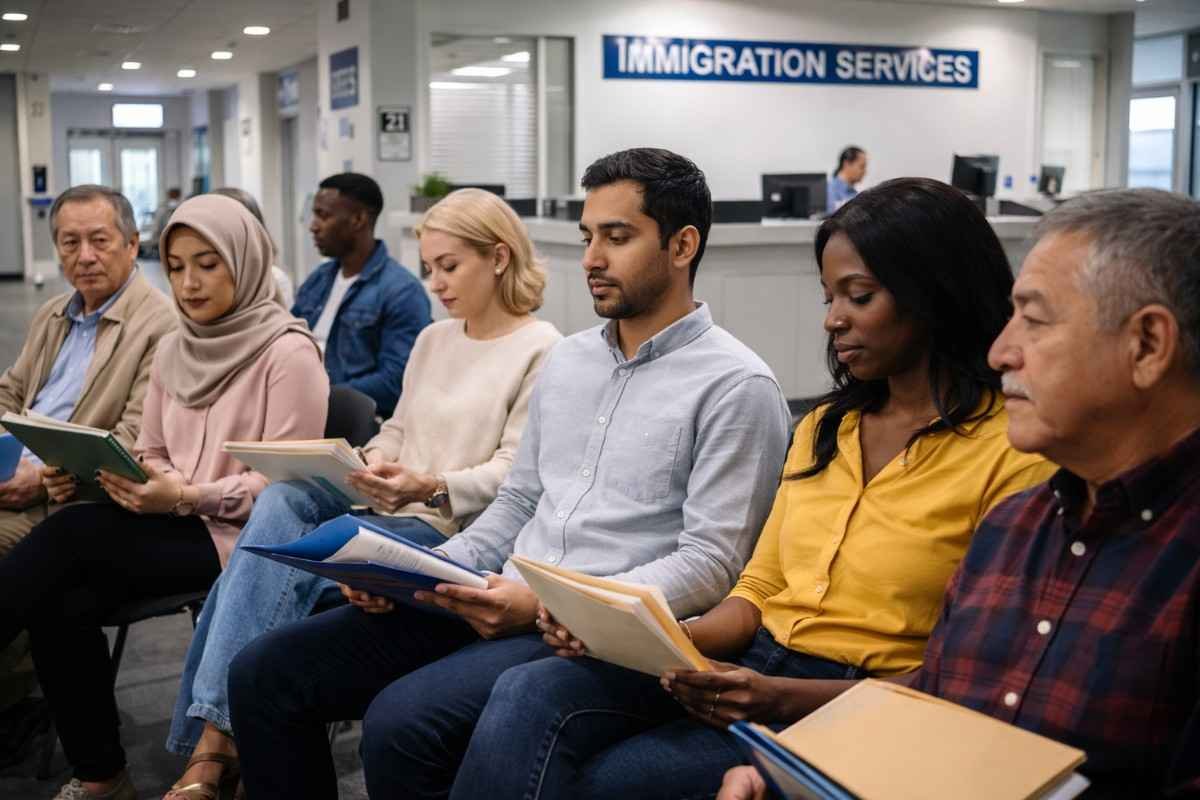
Millions of applications currently sit in government queues. Wait times for family-sponsored visas and citizenship applications remain historically high. The immigration agency has hired more staff and shifted internal resources to reduce these massive backlogs.
Despite these efforts, delays persist. Applicants must check processing timelines frequently on government websites to set realistic expectations. Filing forms early and responding quickly to requests for evidence can help prevent further delays.
Updates to Visa Categories and Work Permits
Employment visas play a massive role in the national economy. The system now prioritizes certain high-demand occupations to fill critical labor shortages. Changes to temporary work visas aim to protect workers from exploitation and simplify the renewal process.
The government is also exploring ways to keep international students in the country after graduation. New rules might allow recent graduates in science, technology, engineering, and mathematics to work longer before needing a different visa status. This approach helps the economy retain highly educated workers.
Opportunities for Young Arrivals
Many young adults who arrived in the country as children face unique administrative hurdles. Recent policy discussions highlight pathways to provide temporary stability for this group. Providing options for these individuals allows them to contribute fully to their communities.
For example, individuals seeking permission to travel to places alone for work or education can apply for advance parole for DACA status. This specific option allows eligible recipients to leave the country legally and return without losing their protection from deportation. Navigating these specific travel permissions requires careful planning and a clear understanding of the latest regulations.
Navigating the Application Process
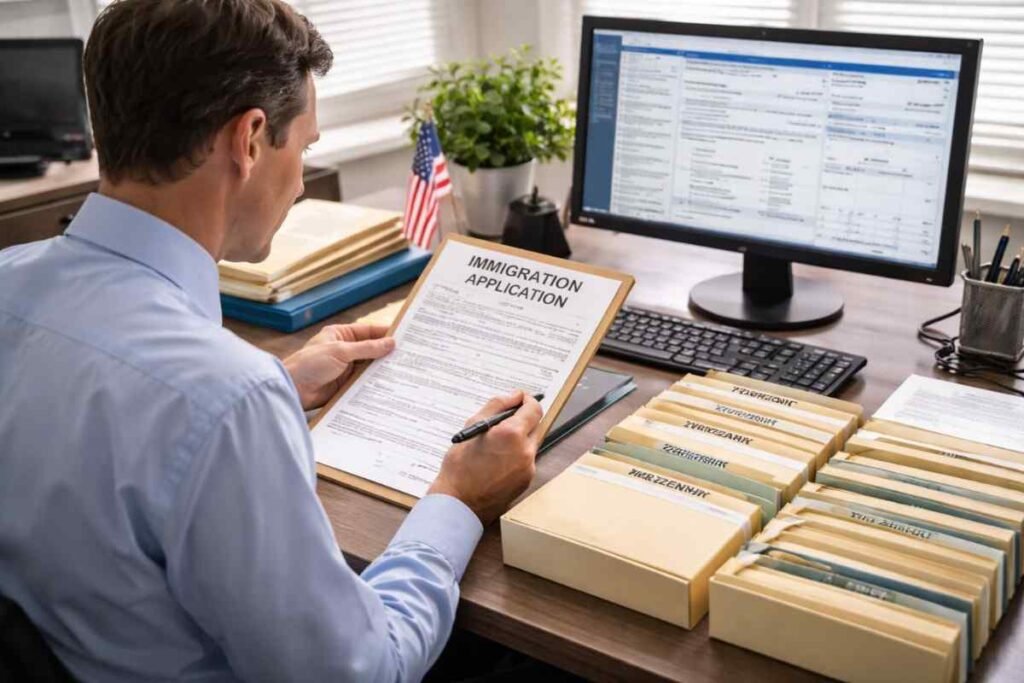
The legal process requires careful attention to detail. A single mistake on a form can cause months of delays or lead to an outright denial. Government agencies advise applicants to gather all required documents well before submitting their applications.
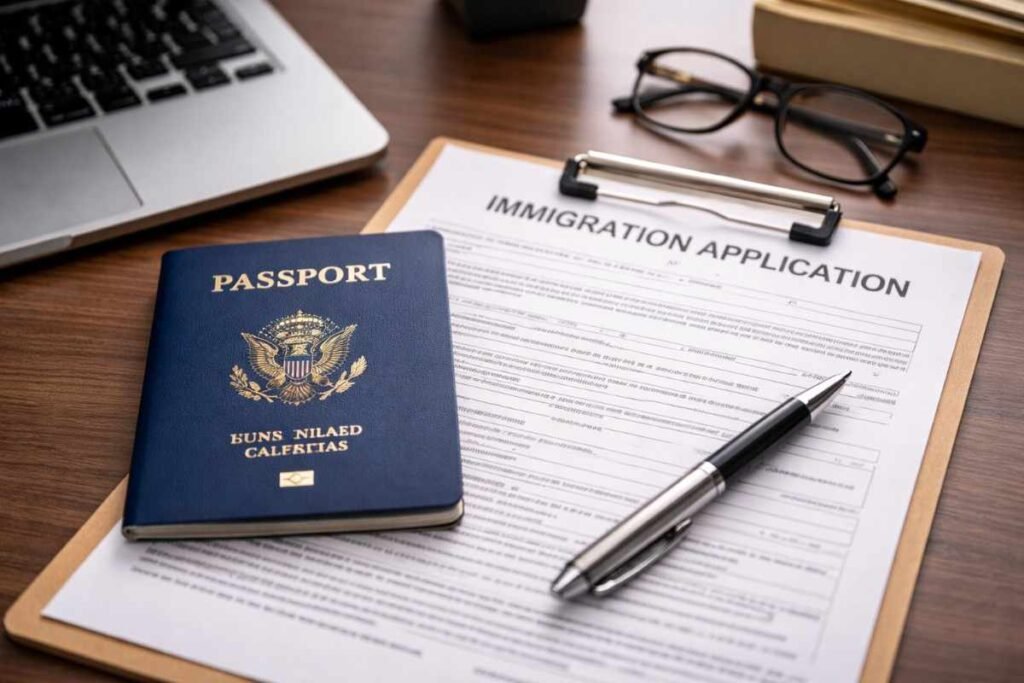
Missing signatures, incorrect fees, and outdated forms are the most common reasons for rejected applications. Double-checking every page and following the exact instructions provided by the government is essential for a smooth process.
Digital Modernization
Paper applications are slowly becoming a thing of the past. The immigration agency is rapidly expanding its online filing system. Applicants can now submit several different forms, pay filing fees, and track their case status digitally.
This shift to online processing makes the system more efficient and transparent. Users receive electronic notifications when the agency takes action on their case. Creating a secure online account with the government portal is now one of the most important steps an applicant can take.
Conclusion
Understanding the rules is the best way to prepare for an application. The US immigration system is experiencing significant updates regarding processing methods, work permits, and border policies.
To summarize the key points:
- Government agencies are working to reduce application backlogs by hiring more staff.
- Digital modernization offers faster, more transparent processing for many common forms.
- Updates to visa categories create new opportunities for skilled workers and recent graduates.
- Travel and work permissions are evolving, requiring applicants to stay informed about their specific eligibility.
Staying informed about these ongoing shifts gives applicants a much better chance of success. Regularly reviewing official government announcements is the safest way to navigate this complex system.

Related Posts

The Benefits of Owning a Toy Hauler for Outdoor Travel

How to Ensure Your Truck is Road-Ready and Safe