
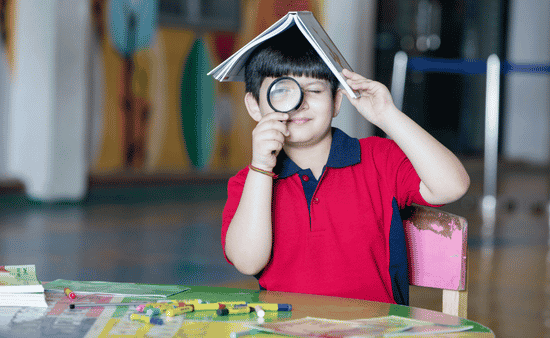
Understanding Early Childhood Learning Milestones
The first few years of a child’s life are a period of incredible growth and transformation. Every new word, every clumsy step, and every shared smile represents a massive leap in brain development. For parents and caregivers, watching these changes unfold is both exciting and deeply rewarding. However, keeping track of what to expect and when can sometimes feel overwhelming.
Cognitive Milestones and Learning
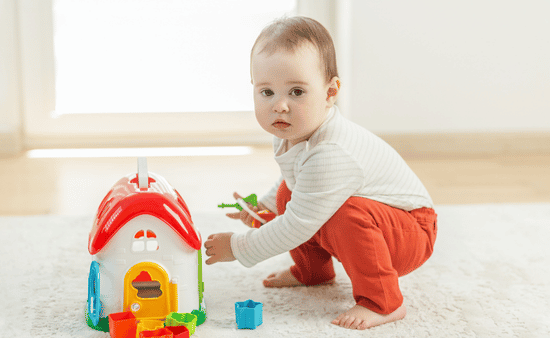
Cognitive development refers to how a child thinks, explores, and figures things out. It is the development of knowledge, skills, and problem-solving abilities that help young children understand the world around them.
Problem-solving and critical thinking skills
Babies are born scientists. They constantly test their environment to see how things work. A baby dropping a spoon from a high chair is learning about cause and effect. As children grow into toddlers, this transforms into more complex problem-solving. They begin sorting shapes, figuring out how to stack blocks so they do not fall, and eventually asking “why” to understand the reasoning behind everyday occurrences.
Language acquisition and communication
Language development is one of the most noticeable cognitive milestones. It starts with cooing and babbling, eventually progressing to single words like “mama” or “dada.” By the age of two, many children begin stringing two or three words together. Reading aloud, singing songs, and simply talking to your child throughout the day significantly boosts their vocabulary and conversational skills.
Memory and attention span development
A child’s memory and attention span grow dramatically during the early years. Infants recognize familiar faces and routines early on. By the preschool years, children can remember the sequence of events in a favorite story and follow multi-step directions. Their ability to focus on a single task, like completing a puzzle, also gradually increases, preparing them for formal schooling.
Social and Emotional Growth
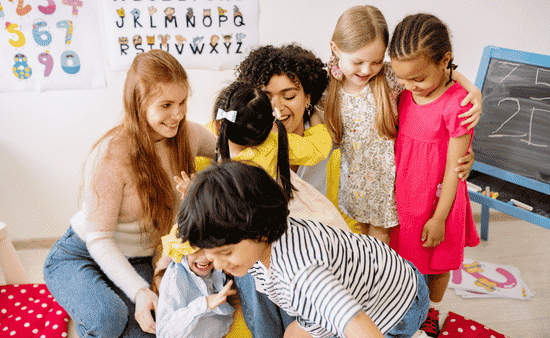
Emotional intelligence is just as critical as academic readiness. Children must learn how to interact with others, process their feelings, and build meaningful relationships.
Building relationships and empathy
Social development begins with the primary caregivers. The secure attachment formed in infancy gives children the confidence to explore social interactions with peers. Around age three, children transition from playing next to each other (parallel play) to playing with each other (cooperative play). During this stage, they begin to develop empathy, noticing when a friend is sad and offering a toy for comfort.
Self-regulation and emotional expression
Toddlers are famous for their big emotions. Learning to self-regulate is a major developmental milestone that takes time. Children learn to name their feelings and, eventually, find acceptable ways to express frustration without resorting to tantrums. Caregivers help by modeling calm behavior and validating the child’s emotions.
The role of play in social-emotional learning
Play is the work of childhood. Through pretend play, children experiment with different roles, learn how to negotiate, and practice sharing. Whether they are playing house or pretending to be superheroes, these interactions teach them the unwritten rules of social behavior and help them build resilience.
Physical Development
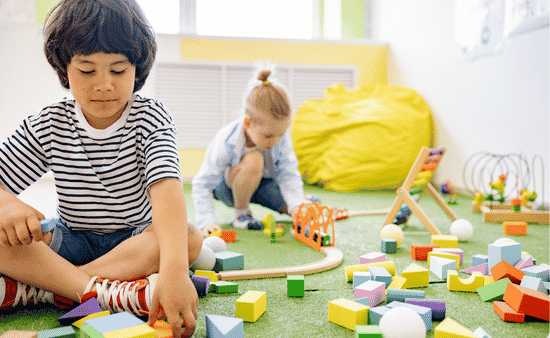
Physical development is categorized into two main areas: fine motor skills and gross motor skills. Both require practice and a safe environment for exploration.
Fine motor skills
Fine motor skills involve the small muscles in the hands, fingers, and wrists. These skills are essential for later tasks like writing, buttoning a shirt, or using scissors. Developing these skills requires practice with precision. Think of the exactness needed to manipulate intricate objects, much like the precise components created by metal cnc machining. For a child, practicing this precision means stringing large beads, pinching small pieces of cereal, or scribbling with a crayon.
Gross motor skills
Gross motor skills involve the large muscles of the body that enable activities like walking, jumping, and kicking a ball. Infants develop these skills sequentially, starting with holding their head up, rolling over, crawling, and eventually walking. Toddlers refine these abilities by learning to run, climb playground equipment, and balance on one foot.
Hand-eye coordination and spatial awareness
As children move through their environment, they develop spatial awareness—understanding where their body is in relation to other objects. Hand-eye coordination improves alongside this, allowing a child to successfully catch a ball or copy a drawing of a circle.
Supporting Development at Home and in Education
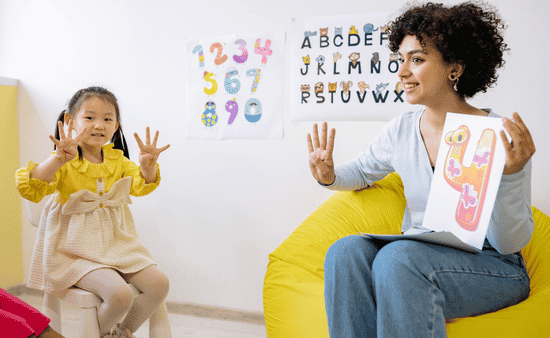
Parents and caregivers are a child’s first and most influential teachers. You do not need expensive toys to foster a rich learning environment.
Creating a stimulating environment
A stimulating environment is one that offers a variety of safe, age-appropriate materials to explore. Everyday household items, like wooden spoons and plastic containers, can be just as engaging as store-bought educational toys. Rotate toys regularly to keep your child’s interest high and minimize clutter.
The role of parents and caregivers
Your active participation is the most powerful tool for development. Asking open-ended questions, reading books together, and encouraging independent exploration all contribute to healthy brain development. Your enthusiastic response to their discoveries builds their confidence and encourages a lifelong love of learning.
Choosing effective educational resources
As children grow, you may look for outside resources to supplement their learning. Finding a supportive, high-quality environment is essential. For instance, partnering with a daycare like those in Plano, TX can provide children with excellent socialization opportunities and structured learning activities. Look for programs that emphasize play-based learning and have trained staff who understand early childhood milestones.
Recognizing Developmental Delays and Seeking Support
Common signs of developmental delays
A developmental delay occurs when a child does not reach milestones at the expected times. This might present as a lack of eye contact, a sudden loss of previously acquired speech, or difficulty with basic motor functions. Trust your instincts; if you notice your child is struggling consistently in a specific area, it is worth exploring.
Importance of early intervention
Early intervention services can make a massive difference. The earlier a child receives support for a speech delay, motor skill issue, or cognitive challenge, the better the long-term outcome. Therapies and specialized support can help bridge the gap before the child enters elementary school.
Resources for parents and educators
If you have concerns, your pediatrician is the best place to start. They can perform standardized developmental screenings and provide referrals to specialists, such as speech-language pathologists or occupational therapists. Local school districts and community health centers also offer evaluation services for young children.
Conclusion
Understanding the typical milestones of early childhood gives you the tools to support your child effectively. From the rapid cognitive leaps of toddlerhood to the complex social negotiations of the preschool years, every stage brings new challenges and triumphs.