

How to Start a Food Business from Scratch: A Step-by-Step Guide
Launching a new venture in the culinary industry is an exciting endeavor that blends passion, creative expression, and strategic planning. Whether developing a casual quick-service concept, a specialty food product line, or an upscale dining destination, enterprise success rests upon thorough planning, legal compliance, and disciplined financial tracking.
Developing Your Core Concept and Market Strategy

Every commercial food endeavor begins with a clear idea that fulfills an existing market need or delivers a unique consumer experience.
Defining Your Target Audience and Value Proposition
Before investing capital into commercial equipment or leasing physical space, founders must define their specific audience. Market research involves analyzing local demographic data, evaluating surrounding competitors, and identifying gaps in existing food offerings.
A strong brand identity articulates why consumers should choose your menu over established choices. Defining price points, sourcing philosophies, and target operational models helps refine the brand position and shape downstream decision-making.
Financial Projections and Business Plan Creation
A well-structured business plan is essential for securing startup loans, attracting investor funding, and guiding initial operations. The plan must feature realistic financial forecasts, including startup capital expenditures, lease rates, labor costs, ingredient margins, and working capital reserves.
Founders need to calculate their break-even point to determine daily sales targets. Factoring in overhead expenses such as utility bills, software subscriptions, insurance premiums, and pest control services in Olathe helps build a clear, sustainable financial roadmap.
Navigating Permits, Licensing, and Legal Requirements
Food production and distribution carry strict regulatory obligations designed to protect public health and maintain consumer safety.
Business Structuring and Registration
Choosing the proper business entity structure influences legal liability, operational governance, and tax obligations. Options range from sole proprietorships and partnerships to limited liability companies and corporations.
Once an entity structure is chosen, founders register the business name with local authorities and obtain a federal employer identification number. This number enables founders to establish commercial bank accounts, secure merchant processing services, and file business tax returns.
Health Department Clearances and Facility Compliance
Commercial kitchens and dining spaces must strictly comply with local municipal health department codes. Entrepreneurs must submit facility blueprints, plumbing layouts, and equipment schedules for official review before beginning construction or cosmetic buildouts.
Required operational documentation includes food handler certifications, food manager credentials, hazard control plans, and liability insurance policies. Passing final health inspections is mandatory to obtain the operating permits needed to open doors to the public.
Kitchen Design, Equipment Acquisition, and Menu Engineering

Building an effective operational environment requires careful consideration of workspace layout, heavy equipment selection, and menu design.
Workspace Layout and Workflow Optimization
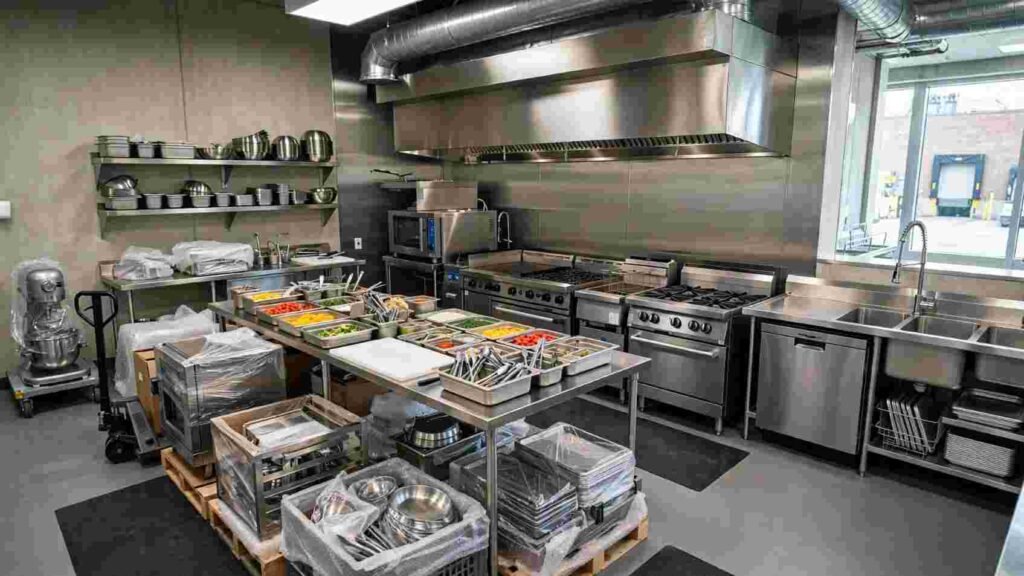
An efficient commercial kitchen layout minimizes unnecessary movement, reduces cross-contamination risks, and accelerates order completion speed. Design layouts generally fall into assembly-line, island, or zone-based configurations depending on service models.
When developing a menu, understanding consumer interest in health-conscious eating can help food entrepreneurs identify opportunities for distinctive offerings. Review this beginner’s list of anti-inflammatory foods for everyday eating for ideas on ingredients that may inform a wellness-oriented menu.
Distinct zones must be established for raw ingredient receiving, cold and dry storage, food preparation, thermal cooking, plating, and dishwashing. Proper placement of handwashing sinks and sanitizing stations keeps operations compliant with health and safety guidelines.
Strategic Equipment Sourcing and Vendor Selection
Purchasing commercial kitchen machinery represents a significant portion of startup capital expenditure. Business owners should carefully weigh the benefits of buying brand-new equipment covered by warranties against purchasing refurbished machinery from reputable commercial suppliers.
Establishing reliable vendor partnerships for food ingredients, paper goods, and uniform services ensures consistent supply chains. Negotiating favorable delivery schedules and payment terms protects cash flow during early operating months.
Marketing Strategies for Opening Day and Beyond
A strong pre-launch promotional campaign builds local excitement, drives foot traffic, and establishes market momentum right from day one.
Digital Presence and Brand Awareness
In today’s market environment, building a strong online presence before opening day is essential. Developing a mobile-responsive website featuring clear menus, contact information, and operational hours builds search engine visibility.
For food businesses planning to expand from a physical location into online sales, a well-managed digital transition can help preserve customer access and operational continuity. Review this guide to planning an e-commerce migration to understand the key considerations involved in moving or restructuring an online store.
Active engagement on popular social media platforms allows founders to showcase behind-the-scenes buildout progress, highlight signature menu items, and connect directly with local neighborhood groups. Setting up business profiles on mapping platforms and online review portals ensures potential customers can easily find the location.
Soft Launches and Opening Events
Hosting a soft launch event allows new kitchen and service teams to practice live workflows in a controlled, low-pressure environment. Inviting friends, family members, local influencers, and neighboring business owners offers valuable feedback on food quality, ticket pacing, and overall atmosphere.
Insights gathered during trial runs enable management to make key adjustments to recipes, seating arrangements, and POS setups before hosting a formal grand opening event.