
Optimizing Surface Mining Through Equipment Coordination
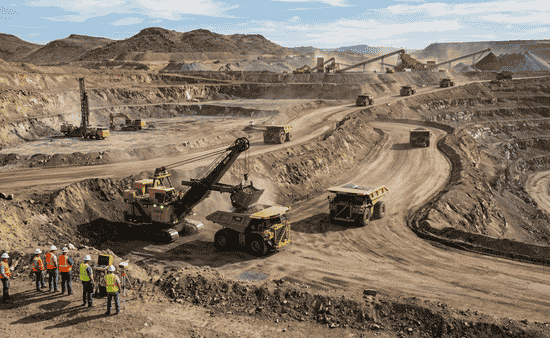
In surface mining, profit margins hinge on operational efficiency. Idle machinery raises costs and lowers production. The key to a profitable site is coordinating the entire fleet—loaders, trucks, and drills—to work in perfect sync, ensuring a steady flow of materials. This post explores modern coordination techniques and technologies that boost productivity through unified fleet management.
The Role of Heavy Equipment in Mining Efficiency
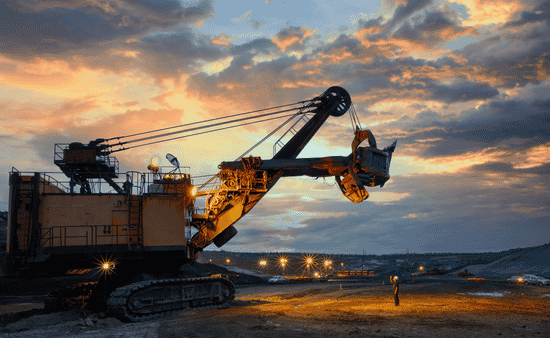
Heavy machinery is the lifeblood of any surface mining operation. Excavators, haul trucks, bulldozers, and graders handle the physical labor required to extract valuable resources. The sheer scale of these machines allows sites to process thousands of tons of material per hour.
However, individual machine performance only tells part of the story. A high-capacity electric rope shovel is highly efficient on paper. If that shovel constantly waits for haul trucks to arrive, its actual productivity plummets.
True mining efficiency comes from the continuous, uninterrupted movement of materials. Equipment coordination ensures that the right machine is in the right place at the exact right time. By aligning the cycles of loading and hauling equipment, site managers can eliminate bottlenecks and maintain a consistent production rhythm.
Advanced Coordination Techniques
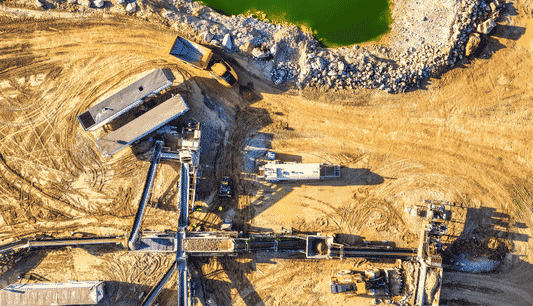
Operators now use sophisticated strategies to manage their fleets, moving far beyond basic radio communication. These advanced coordination techniques turn chaotic work sites into highly synchronized operations.
Dynamic Dispatching
Static schedules often fall apart when conditions change on the ground. Dynamic dispatching solves this by adjusting vehicle assignments on the fly. If a primary crusher breaks down, dispatchers can immediately reroute trucks to a stockpile or an alternative dumping location. This flexibility prevents traffic jams and keeps the material moving.
Cycle Time Optimization
Every second counts during a haul cycle. Managers meticulously track how long it takes a truck to load, travel, dump, and return. By analyzing these cycle times, they can identify specific areas causing delays. Adjusting the haul road layout or tweaking the number of trucks assigned to a specific loader can shave critical minutes off each trip.
Shift Handovers
The transition between work shifts is a common source of lost productivity. Advanced coordination involves hot-seat changes, where incoming operators take over the equipment directly in the field. This eliminates the need for machinery to travel back to a central parking area, maximizing active digging and hauling time.
Technology Integration in Mining Operations
Technology acts as the central nervous system for modern equipment coordination. Digital tools provide the visibility required to make smart, split-second decisions.
GPS and telemetry systems track the exact location, speed, and status of every vehicle on the site. This real-time data feeds into central fleet management software. Dispatchers monitor the entire operation from a control room, viewing a digital twin of the mine.
Internet of Things (IoT) sensors monitor equipment health. They track fuel consumption, tire pressure, and engine temperature. If a massive haul truck requires emergency repairs, the system can coordinate the safe deployment of a mining crane to lift heavy components without disrupting the surrounding traffic flow.
Wireless communication networks ensure this data flows instantly between the machines and the control center. Operators receive route updates and assignments directly on display screens inside their cabs, reducing radio chatter and miscommunication.
Benefits of Improved Coordination
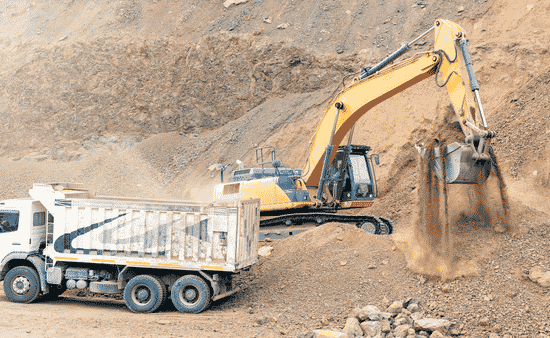
Investing in better equipment coordination yields significant returns across the entire operation.
Reduced Operating Costs
Fuel is one of the largest expenses in surface mining. When trucks spend less time idling in queues or taking inefficient routes, fuel consumption drops dramatically. Better coordination also reduces unnecessary wear and tear on tires and engines, leading to lower maintenance expenses.
Increased Safety
A well-coordinated site is a safer site. Managing traffic flow prevents collisions between massive vehicles with massive blind spots. By controlling the speed and spacing of haul trucks, managers reduce the risk of accidents on steep or slippery haul roads.
Higher Production Volumes
Eliminating idle time directly translates to more material moved per shift. When excavators load trucks continuously, and crushers receive a steady feed of ore, the entire site hits its production targets faster and more reliably.
Future Trends in Mining Equipment and Coordination
The mining industry continues to push the boundaries of fleet management. The next decade will bring even more dramatic shifts in how equipment is coordinated.
Artificial intelligence will take dynamic dispatching to a new level. Predictive algorithms will anticipate bottlenecks before they happen, automatically rerouting vehicles based on weather conditions, road grades, and historical performance data.
Fully autonomous fleets are also becoming a reality. Driverless haul trucks and automated drill rigs communicate directly with each other, operating with a level of precision that humans cannot match. These autonomous systems eliminate shift-change delays, allowing operations to run 24/7 with minimal interruption.
Conclusion
Improving your heavy equipment coordination is the most effective way to boost your bottom line. Even small improvements can save hundreds of thousands annually in fuel and maintenance. Start by evaluating your current fleet management system to identify bottlenecks. Adopting a data-driven approach with modern telematics can help you build a safer, more productive, and profitable mining operation.