
What Should You Know After a Collision Involving Suspected Impaired Driving?
A serious road collision can leave people facing unexpected medical expenses, vehicle damage, and uncertainty about what happens next. Understanding the steps that follow can help injured individuals protect their interests and make informed decisions during a stressful time.
Understanding the Legal Issues After a DUI-Related Collision
A collision involving suspected impaired driving may raise several legal questions, particularly when someone suffers injuries or significant property damage. Investigators may examine the circumstances of the crash, review available evidence, and determine whether traffic or criminal laws were violated.
For someone researching a DUI accident lawyer in Salt Lake City, it is important to understand that a criminal DUI case and a personal injury claim are related but distinct legal matters. A criminal case generally concerns whether the accused violated the law, while a civil claim may address compensation for losses caused by another person’s negligence.
The facts of each collision matter. An arrest or allegation alone does not establish liability in a civil case, and the outcome of one legal proceeding does not necessarily resolve every issue in another.
What Evidence May Matter After a Collision?

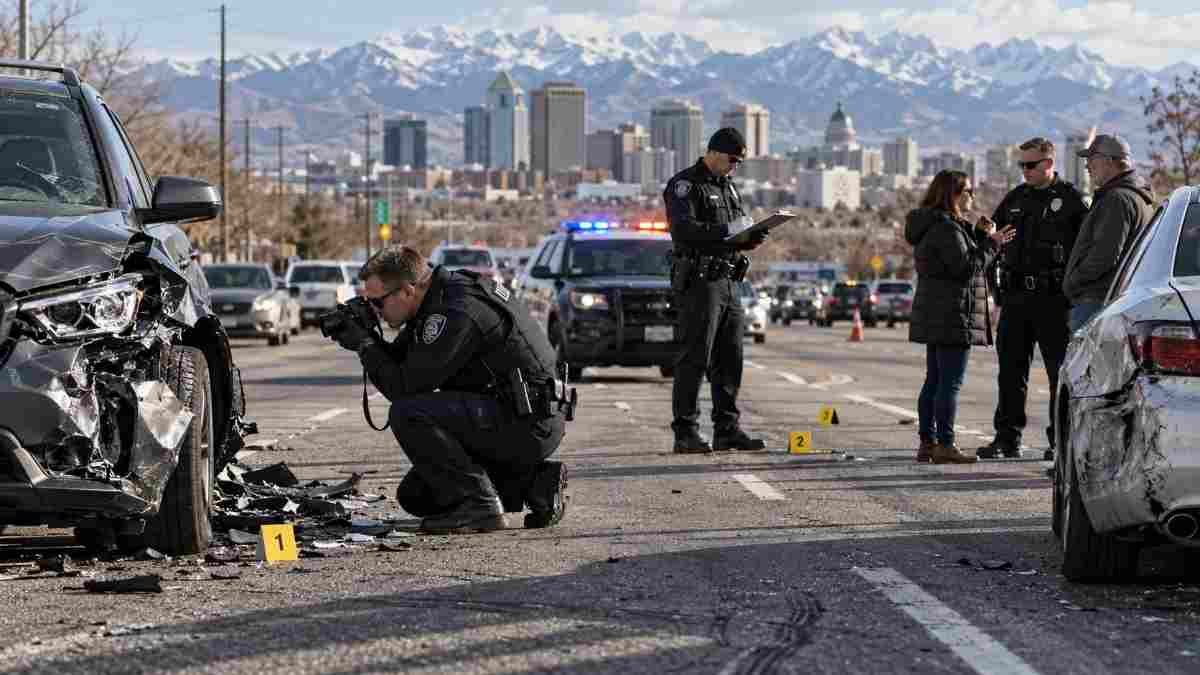
Evidence can help establish how a collision occurred, who may be responsible, and what injuries or financial losses resulted. Preserving relevant information early can make it easier to evaluate a potential claim.
Depending on the circumstances, useful evidence may include:
- Police or crash reports
- Photographs of vehicle damage, road conditions, and visible injuries
- Contact information for witnesses
- Medical records and treatment documentation
- Available surveillance or dashcam footage
- Insurance correspondence and repair estimates
Medical attention should come first when injuries are suspected. Safe driving habits also matter, especially these essential tips for new drivers. Keeping records of treatment, missed work, and related expenses can help document the impact of the collision.
It is also wise to keep copies of communications with insurance companies and avoid discarding documents related to medical care or vehicle repairs. Organized records can help clarify the timeline of events and the financial effects of the crash.
Understanding Insurance and Compensation
After a collision, injured people may need to communicate with their own insurer and, where appropriate, the other driver’s insurance company. The process can involve questions about fault, coverage limits, medical costs, lost income, and vehicle repairs.
Utah follows a comparative negligence framework, which means responsibility may be divided between parties. Under the state’s general rule, an injured person can recover damages only if their percentage of fault is less than 50%, with compensation reduced according to their share of responsibility. The specific facts and applicable law determine how this rule affects an individual claim.
It is important to be careful when discussing fault or agreeing to a settlement before the available evidence and the extent of injuries are understood. Insurance companies may request statements or documentation, and injured individuals should make sure the information they provide is accurate.
A legal professional can explain the options relevant to an individual’s circumstances and help clarify potential issues involving liability, insurance coverage, and compensation.
How Criminal Proceedings Can Affect a DUI Collision

When suspected impaired driving leads to a serious crash, authorities may investigate whether criminal charges are appropriate. The classification and potential consequences of a DUI offense can depend on factors such as prior offenses and whether the incident caused bodily injury.
A person facing a DUI charge has different legal concerns from someone seeking compensation after being injured. The accused may need advice about criminal proceedings and driving privileges, while an injured person may need to understand civil liability and insurance options.
These matters can proceed separately. Travel planning should also include safety tips for your first national park road trip. For example, a DUI arrest may trigger an administrative driver’s-license process in addition to a criminal court case. Each process has its own procedures, deadlines, and possible consequences.
Understanding which legal process applies is an important first step toward making informed decisions. People involved in a collision should avoid assuming that the outcome of a criminal case automatically determines every issue related to an injury claim.
Protecting Your Interests After the Accident
The actions taken after a collision can affect how smoothly insurance and legal matters proceed. When possible, individuals should document the incident, seek appropriate medical care, and keep important records in one place.
It can also help to track expenses related to the crash, including transportation, treatment, prescriptions, and missed work. These records provide a clearer picture of the practical and financial effects of an injury.
Deadlines may apply to insurance claims and legal proceedings, so delaying action can create avoidable complications. Anyone uncertain about their rights or responsibilities should seek guidance based on the specific facts of the incident.
Conclusion
A collision involving suspected impaired driving can create complicated questions about injuries, insurance, responsibility, and criminal proceedings. Preserving evidence, understanding the relevant legal processes, and obtaining advice suited to the circumstances can help people make informed decisions about what to do next.