
How to Choose the Right Daycare: A Checklist for First-Time Parents
Selecting an early childhood education center is one of the most significant decisions first-time parents make. Finding a facility that balances safety, nurturing care, transparent communication, and structured learning requires thorough research and thoughtful evaluation. Because every child responds differently to new environments, establishing a clear evaluation framework helps families identify high-quality care options with total confidence.
To navigate this process smoothly, parents should systematically evaluate potential centers across core operational areas. Utilizing a structured checklist guarantees that crucial details regarding safety, staff qualifications, learning environments, and daily schedules are fully vetted prior to enrollment.
1. Verifying Health, Safety, and Licensing Standards
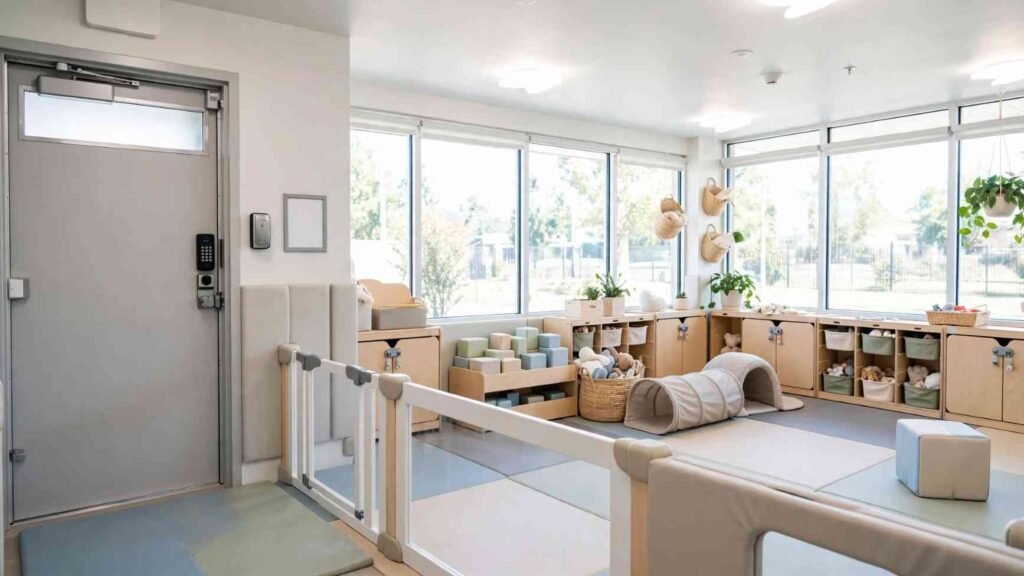
A child care facility must maintain exceptional health and safety measures. Before examining educational curricula or recreational equipment, verifying a center’s regulatory compliance and emergency protocols provides foundational peace of mind.
Licensing and Regulatory Accreditation
State licensing ensures that a facility meets baseline standard ratios, safety measures, and facility square-footage requirements per child. Parents should verify active state licenses, check public inspection records for past violations, and ask if the facility holds voluntary national accreditations, which demonstrate a commitment to higher operational standards.
Facility Security and Emergency Preparedness
Evaluating physical security protocols is vital. Inquire about secure keypad entry systems, visitor identification procedures, sign-in procedures, and real-time security cameras. Furthermore, review emergency evacuation routes and ask how staff handle sudden medical emergencies, severe weather events, or unexpected facility power disruptions.
Alongside checking a daycare’s health and safety procedures, parents can stay informed about their own well-being by learning the signs of vitamin D deficiency in adults and discussing any health concerns with a qualified healthcare professional.
2. Evaluating Staff Qualifications and Caregiver Interactions

The quality of an early childhood program depends heavily on the dedication, training, and warmth of its teaching staff. Low staff turnover rates and strong educational backgrounds usually signal a supportive, stable environment.
Teacher Credentials and Ongoing Training
Inquire about the educational backgrounds of lead teachers and assistant caregivers. High-quality centers prioritize staff members holding degrees in early childhood education or Child Development Associate credentials. Additionally, confirm that all staff undergo comprehensive background checks and maintain current certifications in infant and child CPR and first aid.
Teacher-to-Child Ratios and Caregiver Warmth
Observing daily classroom dynamics offers valuable insight. Note whether caregivers interact at eye level with children, speak in calm, encouraging tones, and respond promptly to emotional distress. Maintaining low teacher-to-child ratios ensures every child receives individual attention, particularly when enrolling a young child in an infant daycare in Plano, TX, where individual attention is essential for early development.
3. Examining the Curriculum and Learning Environment

Early childhood classrooms should cultivate curiosity, social skills, and cognitive development through age-appropriate activities. A balanced curriculum blends structured learning with open-ended play.
Age-Appropriate Daily Routines and Activities
Inquire about the daily schedule for specific age groups. A well-rounded routine balances active physical play, outdoor exploration, quiet story time, creative art projects, and rest periods. Classrooms should feature defined learning stations equipped with clean, age-appropriate toys and learning materials accessible to young children.
Social-Emotional Learning and Behavior Guidance
Children learn vital social skills, such as sharing, emotional regulation, and conflict resolution, while in group care environments. Ask administrators how teachers guide child behavior, address biting or tantrums, and foster positive peer interactions without using punitive measures.
4. Assessing Operational Policies and Daily Communication
Clear alignment between home and daycare operational policies ensures a seamless experience for both parents and children. Reviewing administrative guidelines prevents unexpected misunderstandings later on.
As parents adjust to new childcare routines, making time for personal well-being can also become important. Those exploring cosmetic options after pregnancy can learn more from this mommy makeover guide when considering their individual needs and recovery priorities.
Parent Communication Protocols and Tech Integration
Understanding how teachers share daily updates is essential. Many modern centers utilize dedicated mobile applications to send real-time reports regarding meal times, nap durations, diaper changes, and photos. Ask how teachers communicate urgent health updates or behavioral concerns with parents during pickup hours.
Sick Child Rules and Holiday Calendars
Review the center’s illness policy carefully, paying close attention to fever-free time requirements before a child can return post-illness. Additionally, examine the annual operating calendar to confirm that holiday closures, staff development days, and tuition payment schedules align with your family’s work routines.