How to Recognize the First Signs of Gum Disease
When it comes to oral health, bright white teeth often steal the spotlight. However, the true strength of your smile relies heavily on the foundation beneath them: your gums. Periodontal disease, commonly known as gum disease, is one of the most widespread chronic dental conditions today. What makes it particularly dangerous is its stealthy nature. In its initial stage, known as gingivitis, gum disease rarely causes severe pain, leading many individuals to overlook subtle warning signs until significant damage has already occurred.
Recognizing the early indicators of gum disease is essential for protecting both your oral health and your overall well-being. By taking proactive steps at the first hint of trouble, you can reverse early tissue irritation before it progresses into irreversible bone and tooth loss.
1. Bleeding During Routine Care
One of the earliest and most frequently dismissed signs of gum irritation is bleeding during brushing or flossing. Many people assume that seeing a hint of pink in the sink simply means they brushed too forcefully or used dental floss too aggressively. While rough cleaning can cause temporary tissue injury, healthy gum tissue is generally resilient enough to handle routine daily hygiene without bleeding.
When bacterial plaque accumulates along the gumline, it triggers an inflammatory response in the soft tissues. This inflammation makes the gums sensitive and prone to bleeding under mild pressure. If your gums bleed consistently during daily care, plaque buildup may require professional attention. While exploring ways to lower blood pressure without medication, remember that persistent gum bleeding also deserves a dental evaluation.
2. Red, Swollen, or Tender Gums
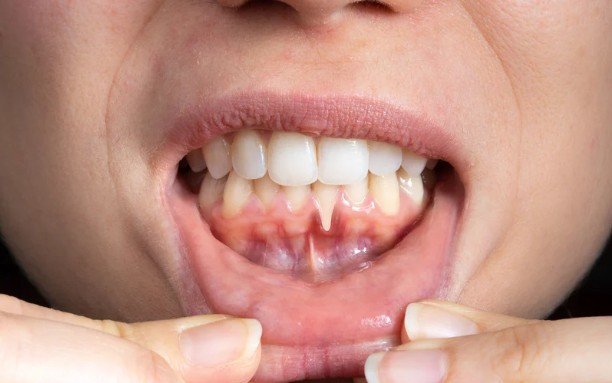
Healthy gums are characterized by a firm texture and a light, uniform pink shade. As bacterial plaque accumulates without removal, the body’s immune system responds by increasing blood flow to the area to combat the micro-organisms.
This inflammatory defense causes noticeable changes in appearance. Gums affected by early-stage disease often appear dusky red, purplish, or noticeably puffy. Additionally, the edges of the tissue surrounding your teeth may feel soft or tender when touched. Even if this swelling is not acutely painful, the tenderness indicates an active inflammatory response.
3. Persistent Bad Breath (Halitosis)
Occasional bad breath after eating flavorful foods is entirely normal. However, chronic bad breath that lingers despite regular brushing, flossing, and mouthwash use is a significant red flag.
Bacterial colonies thriving beneath the gumline release odorous toxins that produce an unpleasant smell and a foul taste in the mouth. As gum irritation advances, tiny spaces or pockets form between the teeth and gums. These pockets create ideal sheltered environments where bacteria multiply, remaining out of reach of standard toothbrush bristles.
4. Gum Recession and Increased Sensitivity
Have you noticed that your teeth look longer than they used to, or do you experience sharp discomfort when sipping cold or hot beverages? These changes often stem from gum recession.
When tissues remain chronically inflamed, they slowly pull away from the surface of the tooth, exposing the vulnerable root underneath. Unlike the exposed crown of a tooth, root surfaces lack a protective layer of hard enamel. Exposed dentin reacts quickly to temperature changes, sweetness, and touch, leading to sudden sensitivity. Recession signals that supporting structures are beginning to break down.
5. Subtle Shifts in Your Bite
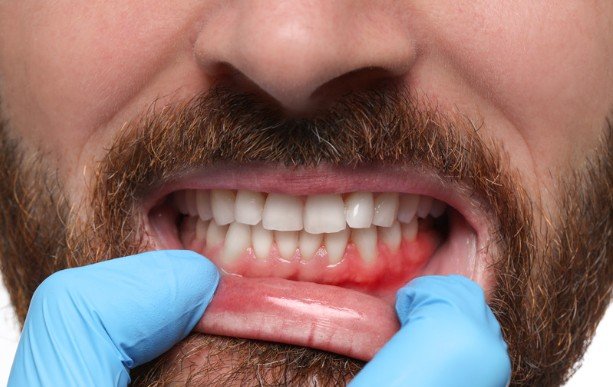
In more advanced stages, untreated inflammation extends past the soft tissue and begins attacking the supporting bone and connective fibers holding the teeth in place. As this supportive architecture weakens, you may notice subtle changes in how your teeth fit together when biting down or chewing.
Although loose or shifting teeth represent a severe symptom, even minor changes in alignment or slight mobility require immediate professional evaluation to prevent complete tooth loss.
When Early Symptoms Become Urgent
While mild gingivitis can often be reversed through improved home care and professional cleanings, sudden infections or acute complications demand prompt emergency intervention. Advanced periodontal issues can occasionally lead to painful abscesses, marked by localized throbbing, visible discharge, or facial swelling. In such situations, consulting an emergency dentist in South Jordan is essential for draining the infection, alleviating acute discomfort, and preserving surrounding bone tissue.
Protecting Your Smile Through Early Action
The progression of gum disease is not inevitable. By staying attentive to early warning signs—such as minor bleeding, redness, or subtle recession—you can take quick action while the condition remains fully reversible. Combining diligent daily brushing and flossing with routine professional checkups ensures that early periodontal changes are identified and addressed, safeguarding your healthy smile for a lifetime.