

Effortless Beauty: 8 Ways to Create a Low-Maintenance Garden
A vibrant, beautiful outdoor landscape does not have to demand hours of exhausting labor every weekend. Many homeowners love the idea of a lush garden retreat but feel overwhelmed by the relentless demands of weeding, constant watering, pruning, and seasonal cleanup.
By adopting smart design choices, choosing hardy plant species, and automating routine chores, you can cultivate a thriving, picturesque garden that practically takes care of itself. Creating a low-maintenance garden allows you to spend less time working with heavy tools and more time relaxing in your private outdoor paradise.
Choose Native and Drought-Tolerant Plants

One of the most effective strategies for reducing garden workload is selecting native plants that naturally thrive in your regional climate and soil conditions. Native flora have adapted over centuries to local weather patterns, requiring significantly less supplemental watering, fertilizer, and pest management than delicate exotic species.
Incorporate hardy, climate-appropriate perennials, ornamental grasses, and drought-tolerant shrubs that return reliably year after year without demanding constant intervention. For example, choosing drought-tolerant perennials in Salt Lake City helps your flower beds stay vibrant year after year while handling hot summers and freezing winters.
Group plants with similar water and light needs into distinct zones across your yard. This practice, known as hydrozoning, prevents overwatering or underwatering, saves precious water resources, and keeps your landscaping healthy with minimal effort.
Swap High-Maintenance Lawns for Ground Covers and Hardscaping
Traditional turf grass lawns are often the single biggest source of garden labor, requiring regular mowing, fertilizing, aeration, and excessive summer watering. Reducing the size of your lawn instantly slashes your weekly chores and lowers utility expenses.
Replace sprawling grass areas with low-growing ground covers like creeping thyme, sedum, or clover, which form dense, weed-suppressing carpets that rarely need trimming. These living lawn alternatives stay green, tolerate light foot traffic, and provide beautiful textures throughout the changing seasons.
When selecting ground covers and landscaping materials, consider how your outdoor space will accommodate pets as well as reduce routine maintenance. Explore these ideas for creating pet-friendly outdoor spaces to help you design a garden that balances visual appeal, practicality, and your pets’ needs.
Incorporate durable hardscaping features—such as gravel pathways, flagstone patios, raised stone beds, or decorative rock gardens—to cover larger sections of your property. Hardscaping adds structured elegance, defines outdoor living zones, and eliminates the need for ongoing lawn care.
For gardens on sloped or uneven terrain, retaining walls can provide structural support while helping prevent soil displacement and erosion. Learn how strong retaining walls protect property from soil erosion to understand how these structures contribute to landscape stability and long-term property protection.
Utilizing Creeping Thyme and Sedum
Low-growing succulent ground covers create soft, colorful carpets that thrive in poor soil and require virtually no mowing or watering once established.
Replacing grass patches with drought-tolerant cover species lowers weekend yard maintenance while creating unique visual textures. Alternative ground covers protect soil moisture naturally.
Designing Flagstone and Gravel Pathways
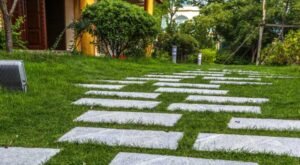
Installing permeable gravel or stone walkways adds clean architectural lines across your yard while covering areas prone to weed growth.
Hardscape elements reduce total lawn square footage, decreasing mowing hours significantly. Stone pathways create durable, effortless garden navigation.
Apply a Generous Layer of Organic Mulch
Mulching is a simple yet transformative practice that pays massive dividends in any low-maintenance landscape. A thick, three-inch layer of organic bark, wood chips, or shredded leaves acts as a protective shield over exposed garden soil.
Mulch suppresses unwanted weeds by blocking the sunlight needed for weed seeds to germinate, drastically reducing the time you spend pulling unwanted plants. Additionally, mulch insulates the soil, reducing water evaporation so you water your garden far less frequently during hot summer spells.
As organic mulch breaks down gradually over time, it enriches the soil with beneficial nutrients, improving soil structure without requiring chemical fertilizers. Refreshing your mulch beds once a year keeps your garden beds looking tidy, dark, and professionally maintained.
Preventing Weeds with Wood Chips
Spreading thick wood mulch over exposed garden soil smothers weed seeds before they can take root, keeping flower beds clean and orderly.
Bark mulch suppresses stubborn weeds naturally without relying on chemical weed killers. Organic mulching saves hours of tedious manual weeding.
Retaining Vital Soil Moisture
A thick mulch barrier insulates root systems from scorching summer heat while slowing moisture loss from daily evaporation.
Retaining soil water reduces irrigation frequency, keeping plants hydrated during dry spells. Mulching preserves precious water resources efficiently.
Install Automated Drip Irrigation Systems
Manual watering with hoses or moving sprinklers around the yard is time-consuming and often inefficient, leading to wasted water and uneven plant growth. Upgrading to an automated drip irrigation system delivers water precisely where your plants need it most.
Drip irrigation tubing sits at ground level beneath the mulch layer, delivering slow, steady drops of water directly to plant root zones. This targeted delivery minimizes water loss from evaporation and wind drift while keeping foliage dry, which prevents fungal plant diseases.
Pair your drip system with a smart timer or weather-based controller that adjusts watering schedules automatically based on real-time rainfall and temperature. Smart irrigation guarantees your garden stays perfectly hydrated whether you are at work or away on vacation.
Delivering Water Directly to Plant Roots
Drip emitters release water slowly at the root zone, ensuring maximum absorption while keeping weed-infested open soil completely dry.
Targeted root watering prevents weed seeds between plants from receiving moisture. Drip systems optimize water usage and plant health.
Utilizing Smart Weather-Based Timers
Installing smart irrigation controllers that sync with local weather forecasts prevents automated sprinklers from running during rainstorms.
Automating your watering schedule ensures your garden receives ideal moisture levels effortlessly. Smart controllers cut water bills and manual labor.
Embrace Architectural Evergreens and Structural Grasses
Flowering annuals provide bright seasonal pops of color, but they require constant deadheading, frequent feeding, and yearly replanting. Building the backbone of your garden with dwarf evergreens and ornamental grasses creates year-round beauty with almost zero upkeep.
Conifers, boxwoods, junipers, and holly bushes retain their lush green foliage and defined shapes throughout all four seasons. They require minimal pruning and provide reliable structure, privacy screening, and rich visual contrast against surrounding flower beds.
Ornamental grasses—such as feather reed grass, blue fescue, and fountain grass—add graceful movement, texture, and rustling sounds to the landscape. They thrive in poor soils, resist common pests, and only require a single quick trim in late winter to make way for new spring growth.
Integrating Dwarf Conifers and Boxwoods
Compact evergreen shrubs maintain neat, natural shapes without demanding weekly shearing, providing reliable green foliage year-round.
Evergreen backbones anchor your garden design, ensuring your yard looks structured even during cold winter months. Compact shrubs offer effortless permanence.
Adding Movement with Ornamental Grasses
Feather reed grass and blue fescue sway gently in the breeze, introducing dynamic texture and golden autumn colors to your landscape.
Ornamental grasses require minimal fertilizer and need cutting back only once per year. Grasses bring effortless elegance to garden borders.
Limit Container Gardens and Choose Self-Watering Pots
Potted plants on porches and patios add charming color accents, but traditional terracotta and plastic pots dry out rapidly in summer heat, often demanding daily or even twice-daily watering.
Reduce the total number of individual containers in your outdoor space, opting instead for a few large, statement planters. Larger pots hold significantly more soil volume, retaining moisture much longer than small individual pots.
Upgrade to self-watering planters equipped with built-in sub-irrigation reservoirs. These smart pots allow plant roots to draw up water as needed over several days or weeks, giving you total freedom to travel without worrying about wilting patio flowers.
Upgrading to Large Statement Planters
Replacing dozens of small pots with two or three large decorative planters creates high-impact visual focal points with far less watering demand.
Large soil volumes insulate roots and resist drying out quickly under hot summer sun. Big planters streamline container care routines.
Utilizing Sub-Irrigation Reservoir Pots
Self-watering containers store water in lower reservoirs, allowing plants to hydrate themselves steadily through capillary action.
Sub-irrigation keeps soil consistently moist for days, preventing root stress and eliminating daily watering chores. Smart pots protect patio plants.
Practice Natural Pruning and Allow Space to Grow
A common mistake that leads to excessive garden maintenance is planting shrubs and trees too close together or selecting species that quickly outgrow their assigned spaces. This leads to endless pruning, shearing, and trimming to keep plants from crowding walkways and windows.
Always check the mature height and spread of plants before placing them in your garden beds. Give young shrubs plenty of room to expand naturally without touching adjacent walls, fences, or neighboring plants.
Embrace a loose, natural growth habit rather than forcing formal, hard-edged hedges that require constant box trimming. Choosing slow-growing or dwarf varieties lets plants assume their beautiful natural shapes without intervention.
Spacing Plants for Mature Growth
Researching mature plant dimensions before digging prevents overcrowding and eliminates the need for constant trimming as bushes mature.
Proper spacing allows healthy air circulation around foliage, reducing fungal disease risks naturally. Smart layout planning prevents future pruning headaches.
Selecting Compact Dwarf Varieties
Choosing dwarf cultivars of popular shrubs gives you the exact colors and textures you love in a naturally compact size.
Dwarf shrubs stay small naturally, fitting neatly beneath windows and along borders without trimming. Compact varieties keep maintenance remarkably low.
Let Nature Do the Work with Sustainable Practices
Creating a truly low-maintenance garden means working alongside nature rather than constantly fighting against it. Building healthy, biological soil life creates resilient plants that naturally resist pests, diseases, and environmental stress.
Avoid using harsh synthetic fertilizers that spur rapid, weak plant growth that requires extra pruning and attracts sap-sucking insects. Instead, top-dress garden beds with rich organic compost once a year to feed beneficial soil microbes and earthworms slowly.
Leave non-invasive dried flower heads, seed pods, and ornamental grass stalks intact through the winter months. They provide striking winter texture, shelter beneficial pest-eating insects, and supply natural food for wild songbirds, bringing your garden to life with minimal effort.
Feeding Soil Organically with Compost
Applying a thin layer of organic compost enriches soil naturally, providing steady, slow-release nutrition that builds resilient plant roots.
Healthy soil fosters natural plant immunity against common garden pests, reducing chemical spray needs. Organic feeding builds a self-sustaining garden.
Leaving Winter Seed Heads for Wildlife
Allowing dried coneflowers and grass stalks to stand through winter adds structural interest while providing seed food for native birds.
Leaving winter growth intact protects beneficial garden insects that eat pests in spring. Sustainable winter care supports natural garden balance.
Conclusion
Creating a low-maintenance garden that looks amazing year-round is all about making smart, intentional design choices from the start.
By choosing native perennials, swapping high-maintenance lawns for hardscaping and ground covers, applying thick mulch, automating drip irrigation, and picking hardy evergreen plants, you eliminate the overwhelming chores that make yard work feel like a burden. Designing a garden that works with nature allows you to step back, relax, and enjoy a vibrant, beautiful outdoor sanctuary that thrives effortlessly season after season.