Creating Pet-Friendly Outdoor Spaces
As pet owners, we know the deep joy our furry companions bring to our daily lives. Their happiness and safety are vital, and that extends to their outdoor environments. A well-designed yard provides wonderful opportunities for play, relaxation, and enrichment. This guide explores key considerations and creative ideas for transforming your garden into a beautiful haven where pets thrive.
Safety First And Essential Considerations
When designing an outdoor environment for animals, their security must remain the top priority. A beautiful garden loses its appeal if it presents hidden dangers or allows pets to wander into hazardous areas. Establishing clear boundaries and removing toxic materials will give you peace of mind while your furry friends roam freely.
Secure Fencing and Boundaries
The foundation of a safe yard is a reliable perimeter. Choosing the right fence height and material depends heavily on your specific animal’s size, jumping ability, and determination to explore beyond your property line. Large dogs may require solid wooden panels that reach six feet tall, while smaller breeds might be perfectly secure behind lower barriers. A chain link fence in Salt Lake City provides durability and visibility, though you may need to bury the bottom edge to deter determined diggers.
Addressing escape routes involves more than just building a tall barrier. You must inspect the perimeter regularly for gaps caused by soil erosion, broken panels, or overgrown tree roots. To prevent digging, consider laying chicken wire horizontally at the base of the fence and covering it with soil or heavy landscaping stones. Invisible fences are another option that uses buried wires and receiver collars to train dogs to stay within property lines. While these systems maintain open views, they do not prevent other animals or unauthorized people from entering your yard, meaning they often work best as a secondary measure rather than your only line of defense.
Pet-Safe Plants and Landscaping
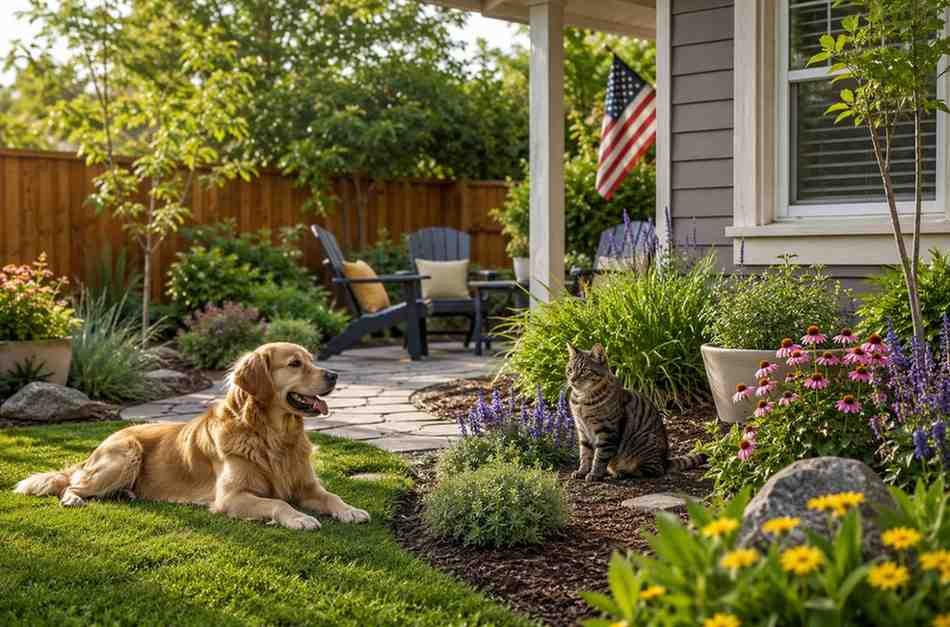
Many common garden plants pose severe health risks to animals if ingested. Identifying toxic plants to avoid is a crucial step before bringing any new greenery into your yard. Lilies, sago palms, azaleas, oleander, and daffodils can cause serious digestive issues or even fatal reactions in cats and dogs. Before planting, cross-reference your choices with toxic plant databases provided by veterinary organizations.
Fortunately, there are plenty of pet-friendly plant alternatives that add vibrant colors and textures to your landscape without the associated risks. Marigolds, sunflowers, snapdragons, and asters offer beautiful blooms that remain completely safe. You can also incorporate sturdy shrubs that can withstand occasional trampling from energetic play sessions. For dogs that love to excavate, creating designated digging areas filled with loose sand or soft dirt can save your flowerbeds. Burying a few favorite toys in these specific zones will encourage your dog to dig there rather than uprooting your landscaping.
Hazardous Materials and Storage
Yards often double as storage spaces for items that can harm inquisitive animals. Securing fertilizers, pesticides, and gardening tools is essential. Many commercial lawn care products contain harsh chemicals that can be absorbed through paw pads or cause poisoning if swallowed. Opt for organic, pet-safe lawn care alternatives whenever possible.
Proper storage of outdoor chemicals and liquids, such as antifreeze, motor oil, and pool cleaners, requires heavy-duty, locking cabinets. Antifreeze is particularly dangerous due to its sweet taste, which frequently attracts animals. Beyond chemical hazards, maintaining clean water sources prevents the growth of harmful algae and bacteria. Stagnant puddles or neglected birdbaths can harbor parasites, so ensure your yard drains properly and clean outdoor bowls daily.
Designing For Play And Exploration
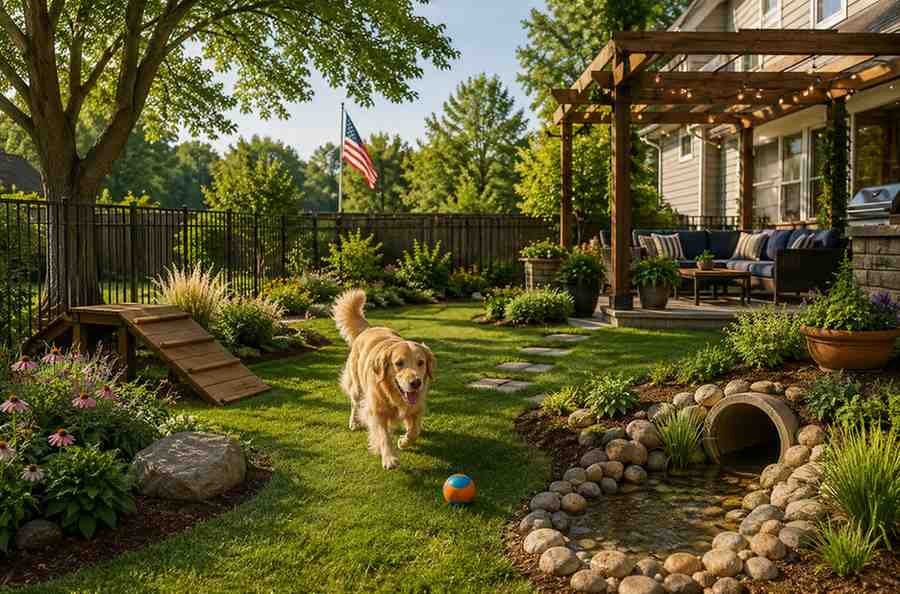
Once the environment is secure, you can focus on making the space engaging and fun. Animals require physical exercise and mental stimulation to prevent behavioral issues and maintain peak physical health. A thoughtfully structured yard caters to their instincts.
Designated Play Zones
Creating open grassy areas for running gives high-energy dogs the space they need to sprint and fetch. Keep these central zones clear of tripping hazards like decorative rocks or delicate plantings. Introducing pet-friendly toys and enrichment activities transforms a simple lawn into a dynamic playground. Durable chew toys, puzzle feeders, and sturdy ropes can be scattered or hung from secure branches to keep animals entertained.
Consideration of agility elements can take your yard to the next level. You do not need professional equipment to build an exciting obstacle course. PVC pipes can be fashioned into simple jump hurdles, while sturdy wooden ramps and play tunnels offer climbing and hiding opportunities. These elements build physical coordination and provide excellent bonding activities for owners and their pets.
Shade and Shelter
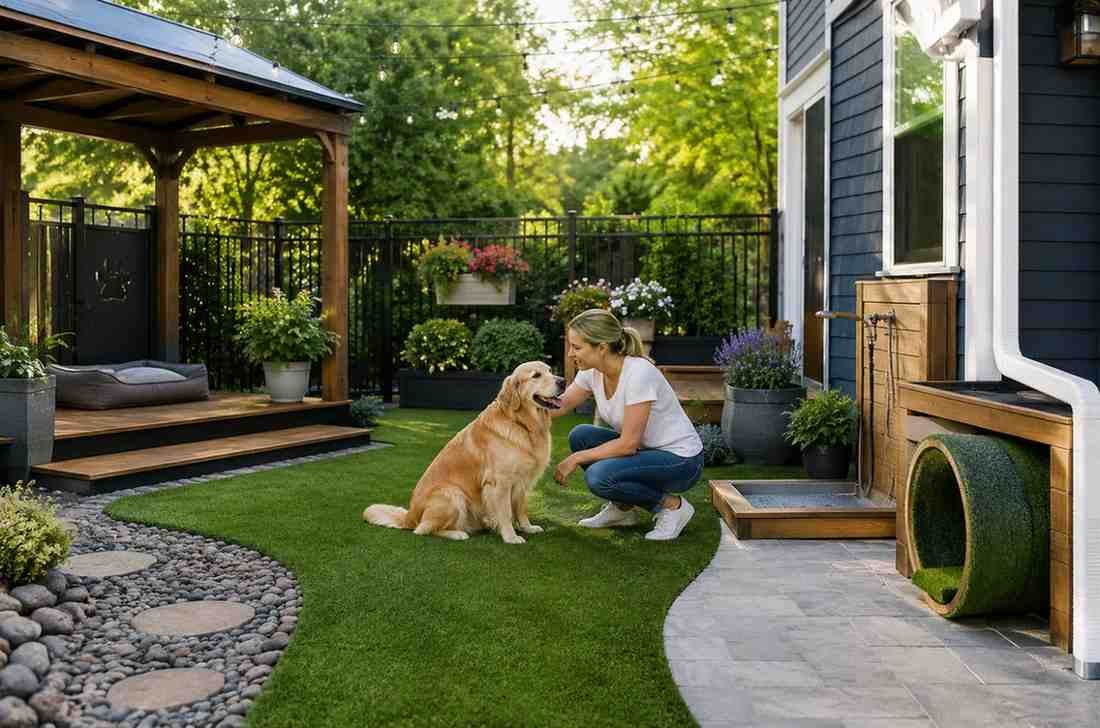
Animals are highly susceptible to heatstroke, making the importance of shaded areas for hot days impossible to overstate. Large leafy trees provide natural canopies, but you can also install shade sails, large umbrellas, or pergolas to block direct sunlight. These additions not only improve comfort for pets but also complement modern luxury home design by blending functionality with visually appealing outdoor spaces.
Building or buying pet shelters, such as insulated doghouses or enclosed cat patios, offers a dedicated retreat when the weather turns unpredictable. Ensuring proper ventilation within these structures is critical. Shelters should feature elevated floors to prevent moisture buildup and wide openings to allow fresh air to circulate freely during the humid summer months.
Sensory Gardens for Pets
Animals experience the world primarily through scent and touch. Designing sensory gardens for pets involves selecting plants with interesting textures and scents that stimulate their minds. Ornamental grasses that rustle in the breeze or hardy herbs like rosemary and thyme provide intriguing olfactory experiences.
Water features for sensory stimulation, such as shallow bubbling rocks or small trickling fountains, add soothing background noise while giving pets moving targets to watch. Safe sounds and sights for engagement, including wind chimes placed out of reach or bird feeders positioned high above the ground, offer visual and auditory enrichment without encouraging hunting behaviors.
Comfort And Hygiene
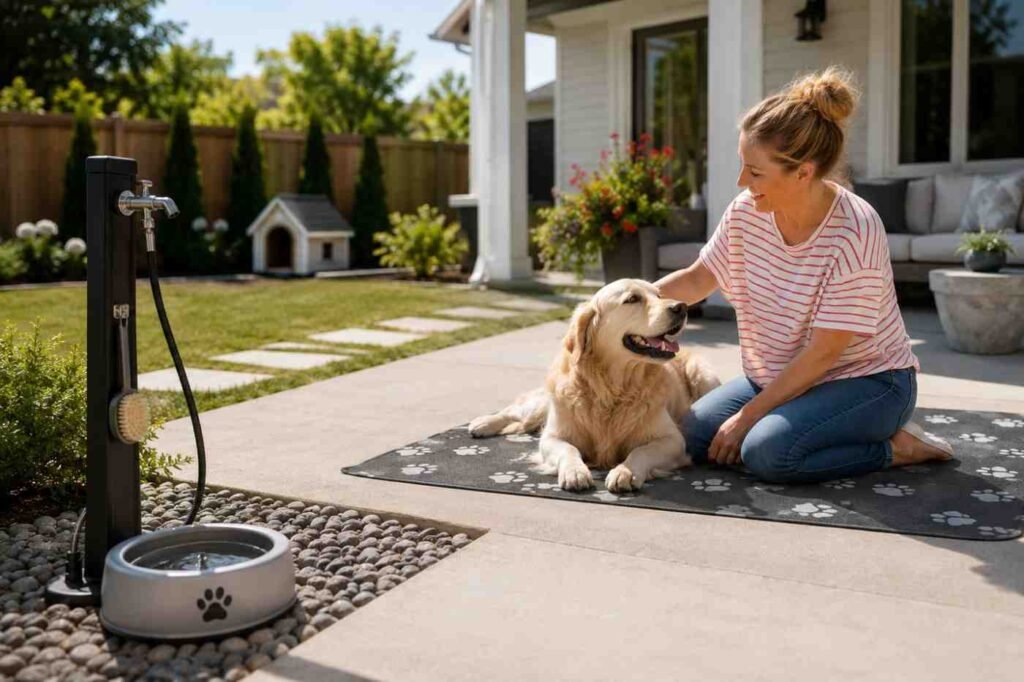
A functional outdoor area must address the practical realities of animal care. Balancing comfort with cleanliness ensures the yard remains pleasant for both the animals and the humans who share the space.
Comfortable Resting Spots
After a long play session, animals need supportive places to rest. Outdoor pet beds and elevated platforms keep them off the hot pavement or cold, damp soil. Elevated cots allow air to circulate beneath the resting animal, providing natural cooling.
Placing these beds in shaded areas for napping encourages pets to relax safely away from harsh ultraviolet rays. When selecting outdoor furniture, prioritize easy-to-clean surfaces. Weather-resistant fabrics and removable, machine-washable covers prevent the buildup of dirt, dander, and unpleasant odors over time.
Waste Management Solutions
Managing animal waste efficiently is vital for yard hygiene. Establishing designated potty areas trains pets to use a specific corner of the yard, preserving the main lawn from urine burns and keeping play zones sanitary. Cover these areas with materials like pea gravel or specific wood chips that drain well and are easy to clean.
Proper waste disposal methods include scooping solids daily and using pet-safe odor neutralizers on the ground. Maintaining cleanliness to prevent odors stops flies and other pests from invading your outdoor sanctuary. Consistent hygiene practices protect your local groundwater and keep your garden smelling fresh.
Mud and Paws Control
Wet weather often results in muddy paw prints trailing through your home. Creating transition zones from outdoor to indoor spaces can drastically reduce the mess. Hardscaping pathways with concrete pavers or flagstones near the entrance minimizes the amount of dirt tracked from the lawn. This approach also aligns with broader considerations around how to choose right materials for home interior, especially in homes where durability, easy maintenance, and pet-friendly surfaces are important.
Setting up paw cleaning stations near the back door offers a practical solution. Keep a dedicated towel, a shallow basin of warm water, and a soft brush ready for quick cleanups. Choosing appropriate outdoor surfacing materials also helps. Replacing muddy patches with synthetic turf or heavy mulch limits the dirt your pets pick up on their paws in the first place.
Water Features And Hydration
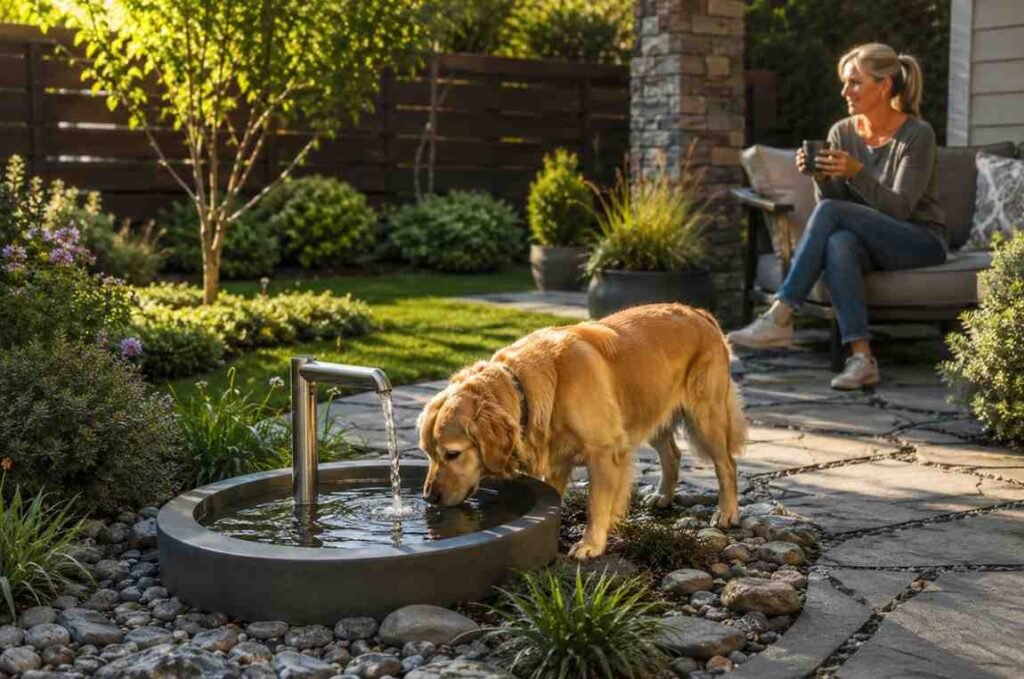
Hydration and cooling are vital components of any outdoor space, especially during the warmer seasons. Thoughtful water features provide both refreshment and entertainment.
Safe Water Access
Animals playing vigorously outdoors require constant access to fresh, clean water. Heavy ceramic or stainless steel bowls placed in shaded corners prevent the water from becoming uncomfortably warm. Pet-friendly water fountains that continuously circulate and filter the water often encourage pets to drink more frequently, reducing the risk of dehydration.
If your yard includes deeper ponds or swimming pools, supervised use of larger water features is mandatory. Not all animals are natural swimmers, and steep pool edges can make it difficult for them to climb out. Always install secure fencing around deep water and consider adding specialized pet ramps to ensure they can exit safely if they accidentally fall in.
Water Play for Pets
Many animals love interacting with water, and adding specific features just for them can make hot days highly enjoyable. Kiddie pools made of tough, molded plastic provide a perfect spot for cooling and play. Fill them with just a few inches of water and toss in some floating toys for instant entertainment.
Sprinklers and gentle water streams offer another layer of fun. Some dogs adore chasing the moving water from an oscillating sprinkler. However, safety precautions around all water sources must be maintained. Empty kiddie pools after each use to prevent mosquito breeding, monitor the water temperature coming from garden hoses, and ensure pets dry off thoroughly to prevent skin irritation.
Conclusion
Creating a pet-friendly outdoor space is a highly rewarding endeavor that significantly enhances the quality of life for your beloved