Essential Outdoor Maintenance Tasks Every Homeowner Should Know
Maintaining a home’s exterior and surrounding yard is one of the most critical responsibilities of property ownership. Outdoor elements like changing weather, seasonal debris, and aggressive plant growth continuously challenge the structural integrity and aesthetic appeal of your living space.
By establishing a routine outdoor maintenance plan, you can catch minor issues before they turn into costly repairs, elevate your property’s curb appeal, and ensure a safe, welcoming environment for your family and guests.
Inspect and Clean Roof Drainage Systems Regularly
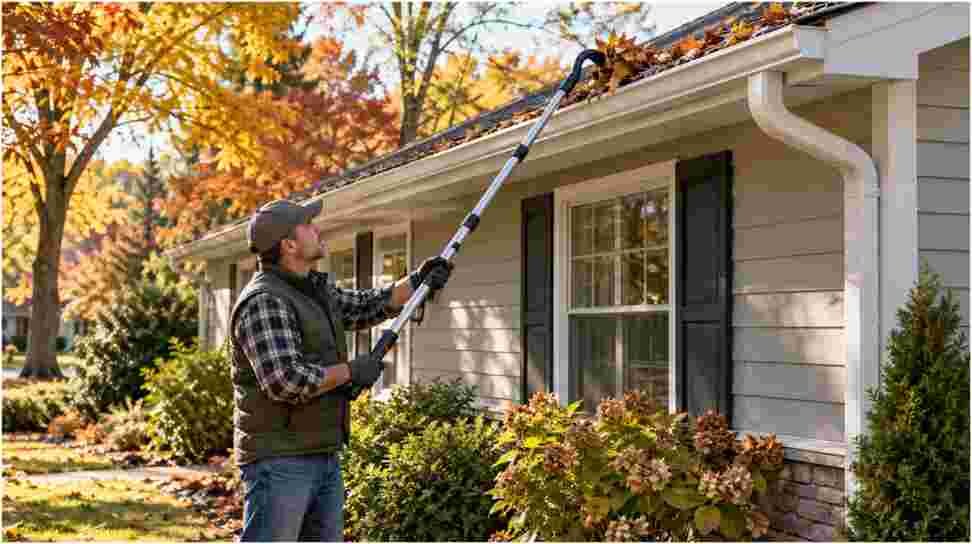
Your home’s roof and gutter network form the primary defense system against rainwater damage and severe moisture intrusion. Over time, falling leaves, twigs, pine needles, and airborne dirt accumulate inside gutter channels, creating dense blockages that prevent rainwater from draining away safely.
When gutters clog, backed-up water overflows along fascia boards, causing wood rot, ruined exterior paint, and damaged siding panels. Even worse, water pooling around your foundation can seep into basement walls, triggering structural cracks, mold growth, and expensive foundation settling over time.
Clear your gutters and downspouts at least twice a year, ideally in late spring and late autumn, following core property maintenance tips to prevent structural water damage. Ensure downspouts extend several feet away from the home’s foundation to channel heavy rainwater safely toward designated lawn drainage zones.
Clearing Blocked Downspouts and Extensions
Checking downspout outlets with a garden hose identifies hidden clogs caused by accumulated leaves and decomposing debris.
Flushing pipes under gentle pressure clears blockages quickly, keeping water flowing smoothly away from structural foundations. Clear downspouts protect basement integrity.
Inspecting Fascia Boards and Gutter Hangers
Checking gutter support brackets ensures channels stay securely fastened to rooflines during heavy rainstorms and wind events.
Replacing rotted wood fascia boards promptly stops moisture from penetrating attic spaces. Routine inspections prevent costly water damage.
Manage Tree Health and Trim Overhanging Branches
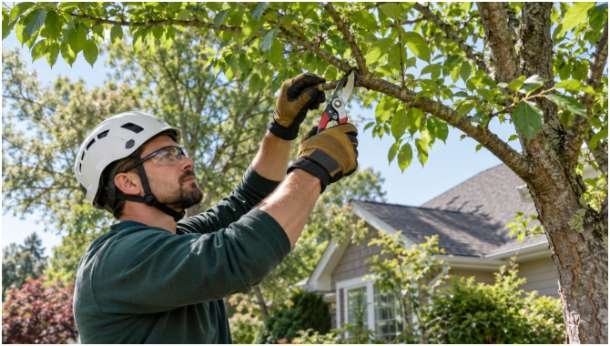
Trees bring incredible beauty, shade, and value to residential properties, but unmanaged branches and diseased timber pose significant safety hazards during severe storms. Overhanging branches can scrape against roof shingles, tear away siding, or break windows during high winds.
Inspect mature trees regularly for dead limbs, fungal growth around root crowns, or hollow trunks that signal internal structural weakness. Pruning dead or diseased branches prevents sudden limb drops that could damage roofs, vehicles, or outdoor living structures.
For large mature trees or complex canopy shaping, consulting a certified arborist in Salt Lake City ensures safe, proper pruning without harming tree health. Professional tree care preserves shade canopies while eliminating dangerous limb hazards around your roofline.
Pruning Dead and Diseased Tree Limbs
Removing dead branches eliminates structural fall hazards, preventing sudden property damage during heavy wind or ice storms.
Pruning diseased wood stops infections from spreading throughout healthy tree canopies. Targeted trimming extends long-term tree lifespan.
Maintaining Safe Clearance from Rooflines and Power Lines
Trimming branches back at least ten feet from house roofs prevents squirrels and roof rats from accessing your attic space easily.
Keeping limbs away from utility lines reduces fire risks and prevents power outages during winter storms. Safe clearance protects home infrastructure.
Care for Lawn Turf and Manage Seasonal Soil Health
A lush, vibrant green lawn does not happen by accident; it requires consistent, intentional care tailored to changing weather conditions throughout the year. Neglecting lawn turf allows weeds to take over, soil to compact, and grass roots to wither under heat stress.
Establish a regular lawn care schedule that includes proper mowing heights, deep watering cycles, and seasonal fertilization. Mowing grass too short weakens root systems, making turf vulnerable to summer drought and weed invasions, whereas keeping grass slightly taller retains soil moisture naturally—a practical strategy if your goal is to create a low-maintenance garden and landscape footprint that thrives without constant intervention.
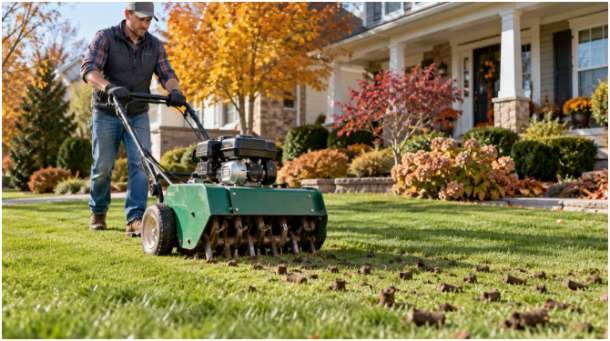
Aerating compacted soil every autumn allows water, oxygen, and nutrients to penetrate deep into root zones, encouraging dense, healthy lawn growth. Combining core aeration with overseeding fills bare patches, creating a thick turf barrier that smothers weeds.
Aerating Compacted Lawn Soil in Autumn
Pulling soil plugs across compacted lawn areas relieves root compression, allowing nutrients and moisture to penetrate deeply.
Core aeration creates optimal conditions for fall overseeding, resulting in thicker, greener spring turf. Aeration transforms tired lawn surfaces.
Applying Organic Fertilizers and Weed Prevention
Feeding lawns with balanced organic fertilizers supplies essential nitrogen, potassium, and phosphorus for steady, healthy growth.
Applying pre-emergent weed controls in early spring stops crabgrass and broadleaf weeds before seeds germinate. Lawn feeding builds grass resilience.
Seal Driveways, Walkways, and Hardscape Surfaces
Concrete driveways, stone walkways, and brick patios endure constant physical wear, vehicle weight, and extreme temperature fluctuations throughout the year. Water seeping into tiny pavement cracks freezes during winter, expanding and causing severe surface spalling, potholes, and crumbling edges.
Inspect hardscape surfaces annually for new cracks, uneven pavers, or shifting stone borders. Filling driveway cracks promptly with flexible masonry caulk stops water from penetrating underlying soil layers and causing subgrade erosion.
Apply a high-quality protective sealer to asphalt driveways and concrete patios every two to three years. Sealcoating shields paved surfaces from chemical oil spills, heavy rain absorption, and ultraviolet solar degradation, extending pavement life significantly.
Sealing Asphalt Driveways and Concrete Patios
Spreading a protective weather-resistant sealer over paved driveways shields materials from oil drips, road salt, and UV fading.
Regular sealcoating prevents surface pitting, maintaining a clean, jet-black finish that enhances curb appeal. Protective sealers preserve hardscape investments.
Re-Sanding Paver Joints and Leveling Stones
Sweeping polymeric sand into paver joints locks patio stones together securely, preventing weed growth and ant infestations between cracks.
Lifting and releveling sunken walkway pavers eliminates dangerous tripping hazards for family members and visitors. Hardscape leveling ensures foot safety.
Maintain Decks, Fences, and Wooden Structures
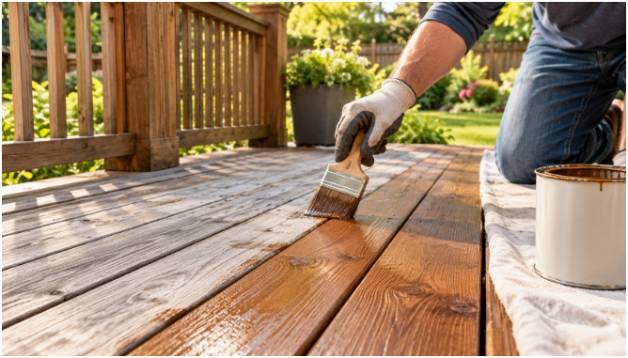
Outdoor wooden features like decks, pergolas, and boundary fences add immense functional enjoyment to backyards, but exposed timber deteriorates rapidly without continuous protection against sun, rain, and insect damage.
Examine wooden structures annually for signs of rot, loose screws, popping nails, or splintering boards. Replace damaged boards immediately to maintain structural stability, tightening loose railing posts to ensure deck safety during family gatherings.
Clean and apply a fresh coat of water-resistant stain or sealant to wooden decks and fences every two to three years. Staining protects natural timber fibers from UV bleaching, prevents wood splitting, and blocks moisture absorption that leads to internal decay.
Washing and Staining Wooden Deck Boards
Power washing wooden decks on low settings removes ground-in dirt, mildew, and old flaking finish safely.
Applying a penetrating oil-based stain restores rich wood color while shielding timber from rain and solar heat. Regular staining doubles deck operational life.
Inspecting Railings and Structural Support Posts
Checking deck support posts, joists, and stair railings ensures safety codes are met, and structures remain rock-solid.
Replacing rusted hardware fasteners and joist hangers prevents catastrophic structural failures. Frame inspections guarantee family safety.
Clean and Service Irrigation and Drainage Systems
Automated sprinkler systems and outdoor drainage networks make yard care convenient, but neglected irrigation components can waste thousands of gallons of water, ruin plant beds, and lead to high utility bills.
Inspect sprinkler heads monthly during irrigation season to check for broken nozzles, misaligned spray angles, or clogged pop-up heads. Adjusting spray patterns prevents water from wasting on driveways, house siding, or glass windows.
Winterize underground irrigation systems every autumn by purging lingering water from supply lines using compressed air. Blowing out sprinkler lines stops trapped water from freezing, expanding, and bursting expensive underground PVC pipes and backflow valves.
Adjusting Sprinkler Spray Angles and Timers
Directing sprinkler heads away from home siding stops mineral staining and prevents moisture accumulation along foundation walls.
Reprogramming irrigation timers seasonally aligns watering schedules with natural rainfall patterns, conserving water resources. Smart adjustments lower utility bills.
Winterizing Underground Sprinkler Supply Lines
Hooking compressed air up to irrigation manifolds purges all remaining water out of underground lines before winter freezes arrive.
Blowing out sprinkler systems prevents cracked backflow valves and shattered PVC pipes come spring. Winterization protects irrigation investments.
Conclusion
Taking proactive control of your outdoor home maintenance is an essential investment that protects your property value, enhances curb appeal, and prevents costly structural repairs. By routinely clearing roof gutters, trimming mature trees, caring for lawn turf, sealing hardscape driveways, maintaining wooden decks, and winterizing irrigation systems, you safeguard your home against environmental wear and tear across all four seasons.
Outdoor maintenance is a continuous, rewarding process that transforms your yard into a safe, functional, and breathtaking sanctuary. Committing to these fundamental outdoor tasks ensures your home remains a source of pride, comfort, and security for years to come.