Before You Build: Essential Considerations for Property Developers
Property development can be an extraordinarily rewarding venture—financially, professionally, and creatively. Whether you are breaking ground on a master-planned community, constructing a modern commercial hub, or revitalizing an underutilized parcel of land, transforming a concept into a tangible, revenue-generating physical asset requires meticulous preparation.
However, high potential returns come with substantial operational complexity. Unforeseen regulatory hurdles, unverified market assumptions, and understated construction budgets can quickly stall project momentum and erode profit margins. To navigate the early phases of real estate development with confidence and maximize your return on investment, here are the essential pre-construction considerations every developer must master.
1. Define a Clear Strategic Vision
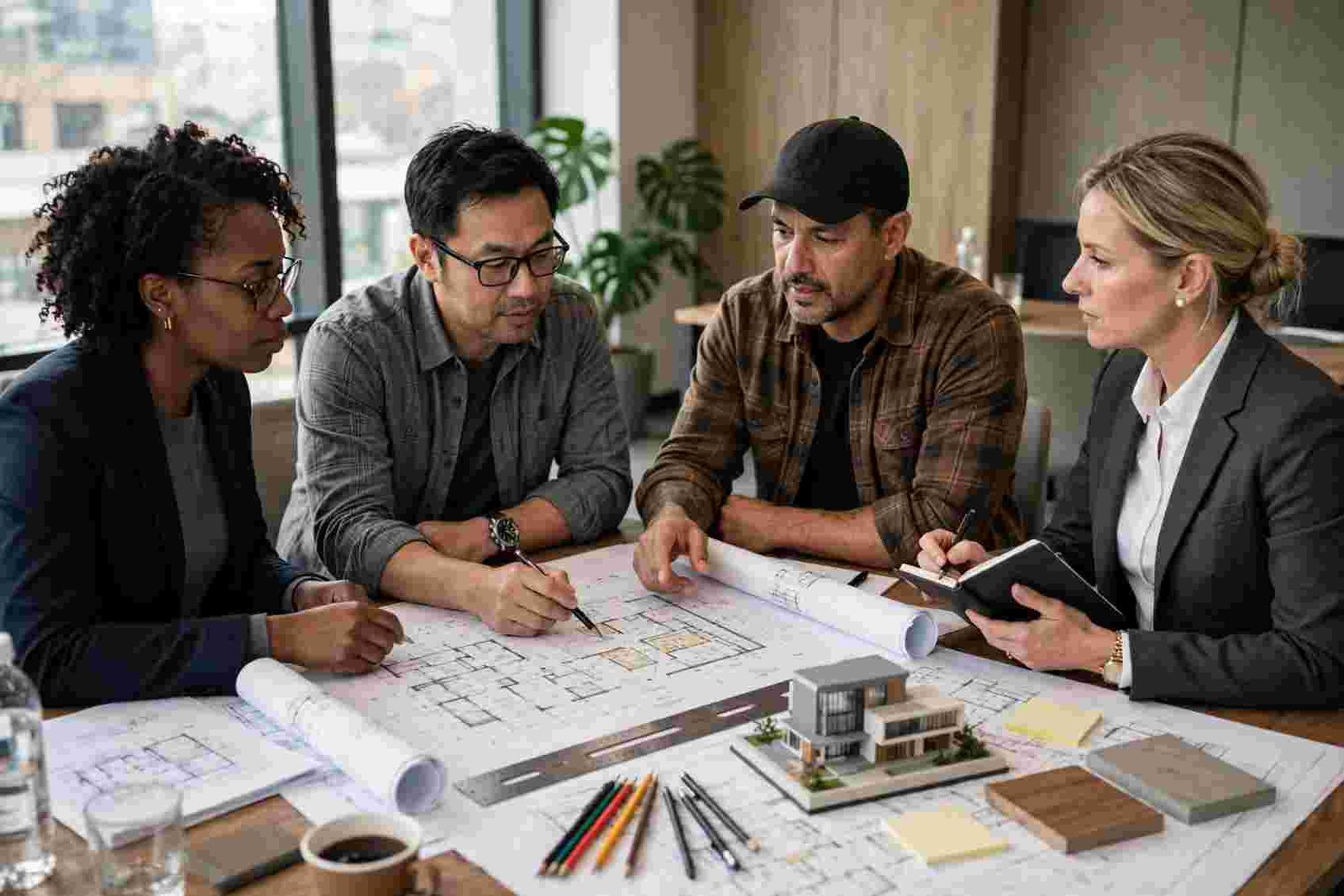
Every successful real estate project begins with absolute clarity of purpose. Before committing capital or drafting initial architectural blueprints, developers must establish the precise scope and objectives of the project.
Ask yourself:
- What specific property type are you developing? (Residential, commercial, industrial, or mixed-use)
- Who is your target end-user or tenant profile?
- For residential developments aimed at the luxury market, identifying the target buyer also means understanding their expectations for architectural style, interior finishes, and premium amenities. Exploring luxury home design can provide additional inspiration for design features that may help shape a project’s overall vision and appeal to its intended audience.
- What financial outcome are you targeting—short-term resale profit, long-term rental cash flow, or portfolio value appreciation?
A well-defined vision serves as the decision-making anchor throughout the entire life cycle of the build. Without this clarity, projects risk scope creep, misaligned designs, unnecessary delays, and budget overruns that fail to match market demand.
2. Conduct Comprehensive Market Research and Feasibility Analysis
Market demand is the foundation of any profitable real estate investment. Even the most visually striking development can fail if it does not address a genuine need in the local marketplace.
Developers must conduct thorough demographic and economic assessments prior to acquisition. Key indicators to evaluate include regional population growth, average household income levels, local employment stability, and localized real estate supply-and-demand trends. Identifying structural gaps—such as a shortage of logistics facilities, neighborhood retail centers, or multi-family housing options—ensures your project fulfills active demand rather than speculative assumptions. Conducting a detailed financial feasibility study will further confirm whether anticipated lease or sale rates justify total acquisition and development costs.
For buyers evaluating residential properties, understanding the offer process is another important part of making an informed real estate decision.
This is particularly relevant when a development includes homes intended for individual buyers, as knowing the steps involved in making an offer can help clarify how prospective purchasers approach a property. A first-time homebuyer offer guide can provide additional context on the buying process from the purchaser’s perspective.
3. Master Site Selection, Due Diligence, and Legal Requirements
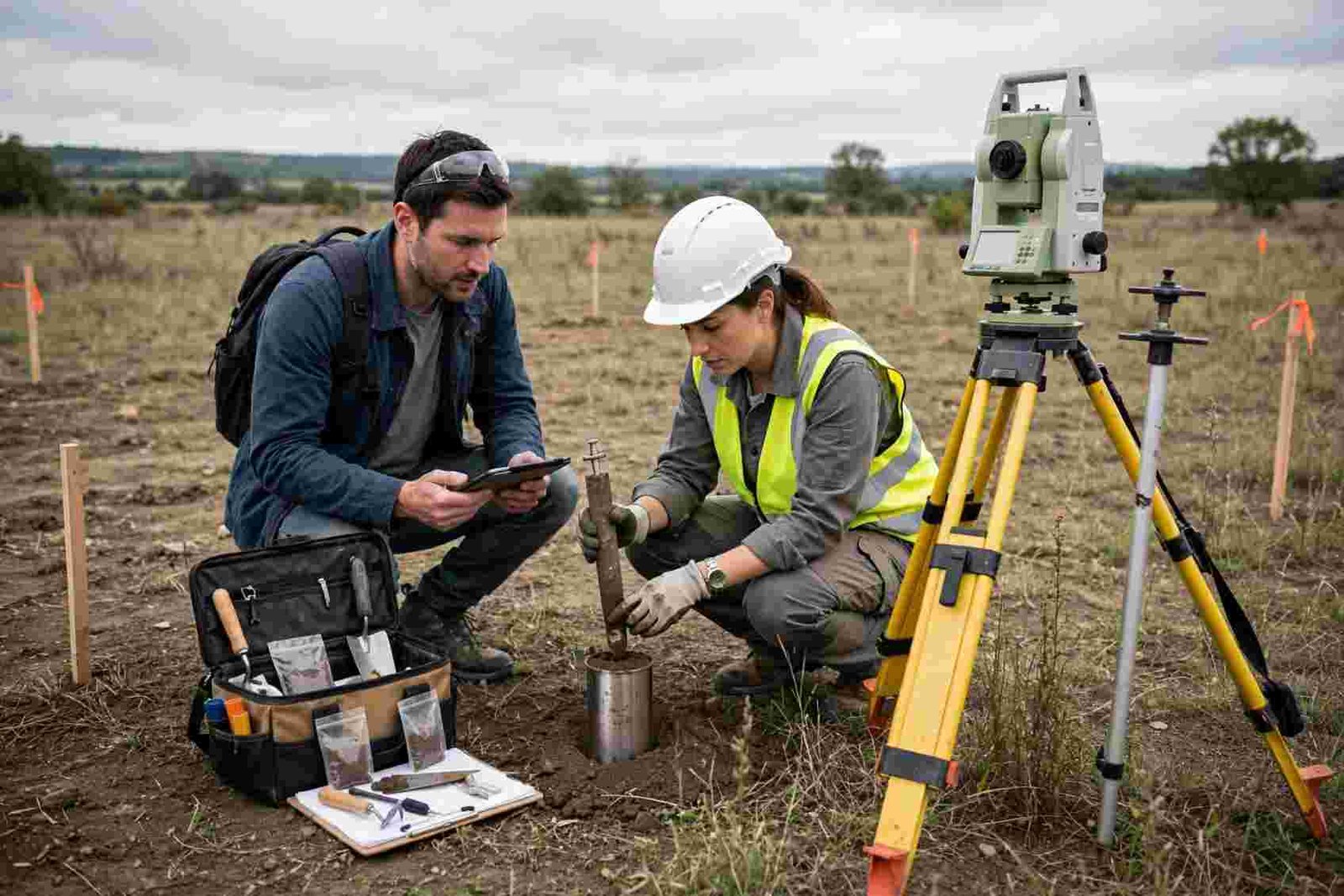
Selecting the right site involves far more than securing an attractive address on a map. Complete, rigorous due diligence is non-negotiable. Physical site considerations must include evaluating terrain topography, soil stability, drainage capability, environmental risks (such as flood zones or contamination), and convenience of access for pedestrian and vehicular traffic.
Simultaneously, developers must review municipal zoning codes, density allowances, setback limits, height restrictions, and minimum parking mandates. Navigating local regulations, land-use restrictions, and statutory requirements often requires working with legal professionals who understand construction law in Utah and municipal ordinances. Overlooking legal mandates or failing to secure necessary entitlements early can lead to costly design overhauls, expensive project delays, or total permit denials.
4. Build a Sustainable Financial Model and Budget Buffer
Development projects nearly always cost more than initial estimates suggest. Fluctuating raw material prices, specialized labor shortages, and hidden ground conditions can quickly stretch financial resources.
A robust financial plan must explicitly differentiate between hard costs (land acquisition, site grading, physical materials, and labor) and soft costs (architectural design, legal consultation, engineering, permitting fees, and marketing). Crucially, developers should include a dedicated contingency reserve of at least 10% to 15% within the budget. Maintaining structured financial discipline protects cash flow and prevents project stalls when unexpected conditions arise.
When planning residential developments, developers can also evaluate whether affordable technology features offer worthwhile value without significantly increasing upfront costs. Options such as smart thermostats, connected lighting, and automated controls may improve convenience and energy management for future occupants. Reviewing affordable smart home upgrades can help identify practical features to consider when balancing project budgets with buyer expectations.
5. Assemble an Expert Multi-Disciplinary Team

Property development is inherently a team effort. Attempting to save money by taking on too many technical roles oneself often leads to oversight, mistakes, and regulatory non-compliance. Surrounding yourself with experienced professionals early in the process protects your capital investment and streamlines execution.
Your core development team should include:
- Architects and land planners
- Civil and structural engineers
- Licensed general contractors and project managers
- Real estate attorneys and financial advisors
Establishing transparent communication and setting clear timelines across all trade partners ensures quality standards are met from initial earthwork through final inspection.
6. Plan for Infrastructure, Sustainability, and Risk Management

A parcel of land is only as valuable as the infrastructure supporting it. Planning for water, sewage, electricity, gas, stormwater management, and access roads represents a significant portion of early capital outlay. Coordinating with municipal public works and local utility providers early avoids costly structural rework later.
Furthermore, incorporating environmental sustainability—such as Low Impact Development (LID) standards, green building materials, and Stormwater Pollution Prevention Plans (SWPPP)—aligns the development with strict regulatory guidelines while enhancing long-term operational efficiency and asset value. Lastly, proactive risk management, including adequate insurance coverage and clear stakeholder contracts, shields the venture against market volatility and unforeseen operational challenges.
Final Thoughts
Success in real estate development is not a matter of chance; it is the result of disciplined research, strategic planning, and coordinated execution. By defining a clear vision, conducting thorough market and site due diligence, maintaining financial discipline, and surrounding yourself with skilled experts, you establish the foundation necessary to navigate challenges, mitigate risk, and build lasting real estate value.