Protecting Chimney Systems: Function, Materials, and Installation
A chimney system serves as a critical exhaust pathway, venting smoke, toxic gases, and high-temperature combustion byproducts safely out of a residential structure.
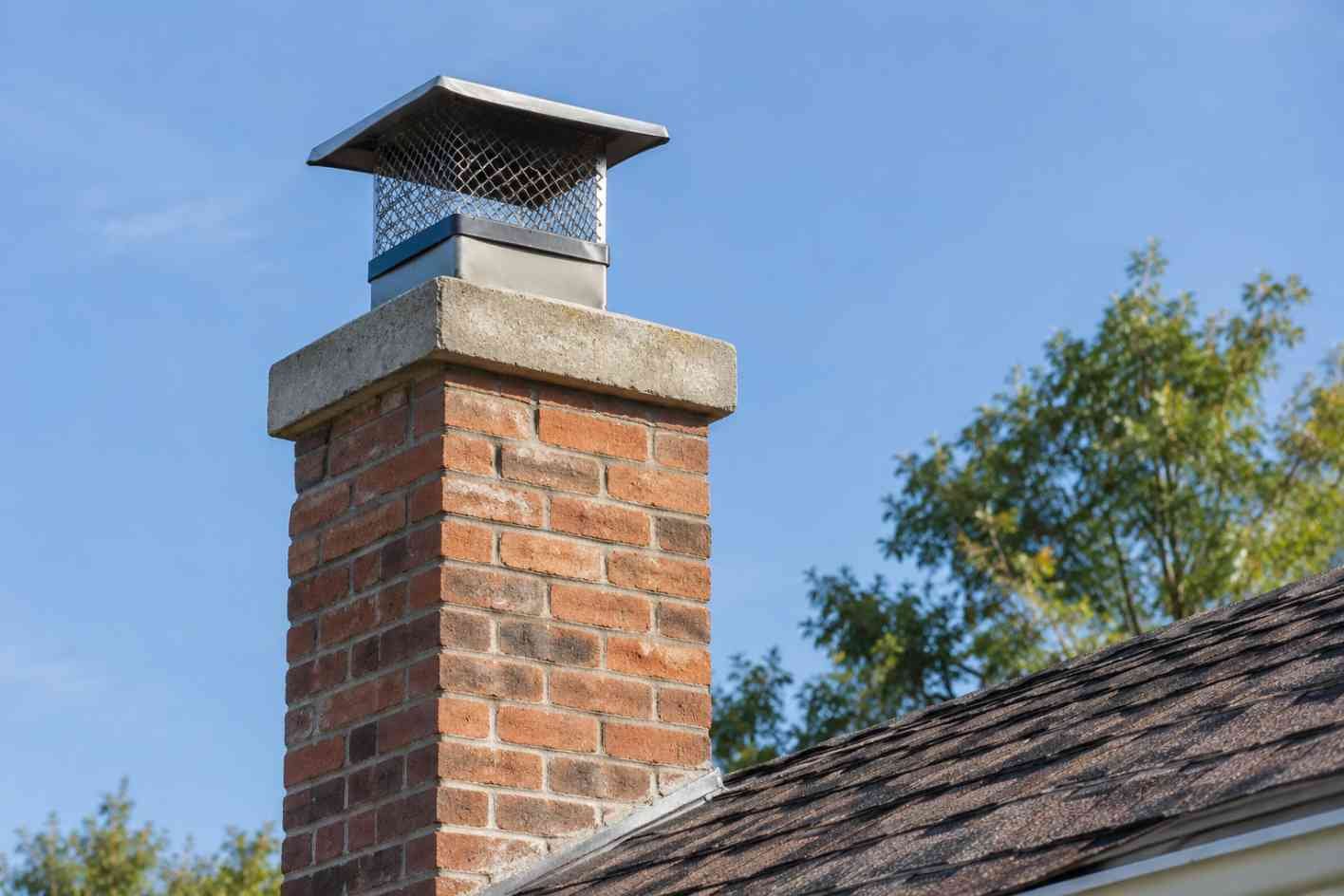
While the lower firebox and interior flue liner handle intense internal heat, the top terminal remains continuously exposed to external weather conditions. Without adequate protective toppers, open flue tops act as direct funnels for rain, snow, debris, and animal intrusion.
Installing protective top covers safeguards the structural integrity of the chimney masonry, preserves flue liners, and ensures safe home heating operations.
Primary Functions of Protective Chimney Terminals
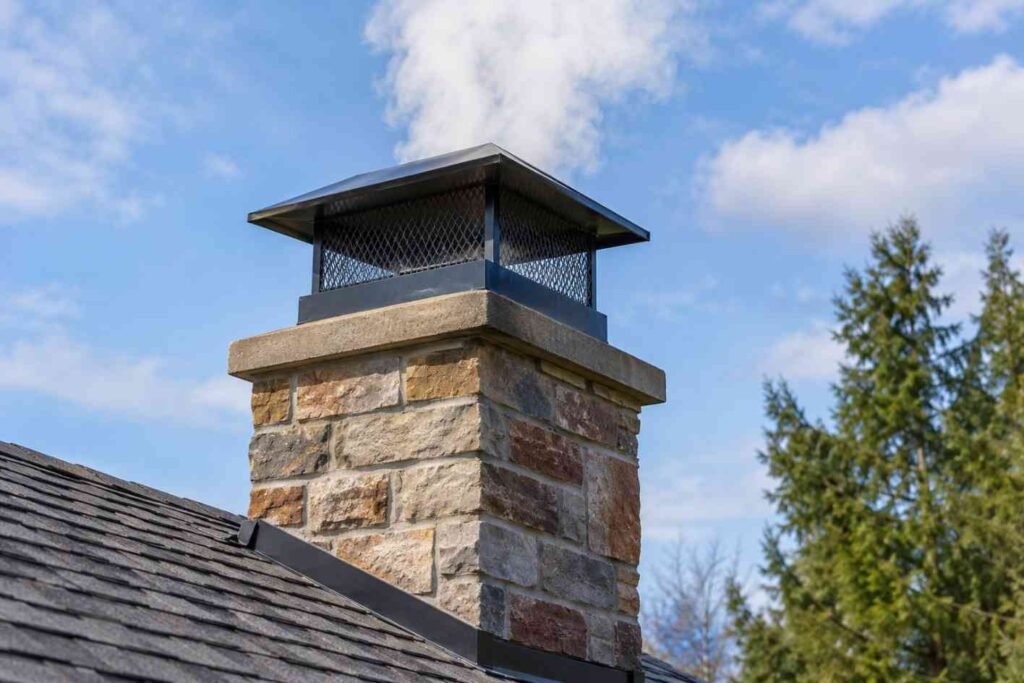
Roof-level chimney covers perform several structural and operational roles beyond simply covering an open hole on the roof.
Moisture Intrusion Prevention
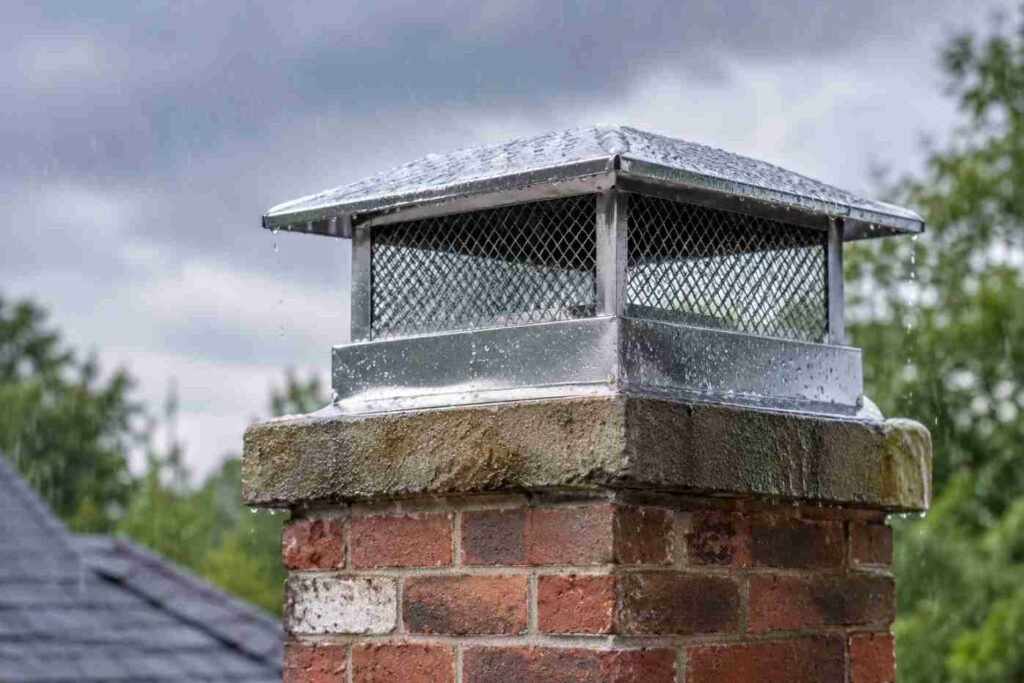
Water is the primary enemy of masonry structures. When rain or melting snow enters an unprotected flue opening, it saturates internal clay flue tiles, mortar joints, and metal liner tubes. During freeze-thaw cycles, trapped water expands inside tiny pores, causing brick spalling, cracked flue tiles, and crumbling mortar. Over time, internal water leaks migrate into home framing, ruining drywall, damaging ceilings, and encouraging hidden mold growth around the fireplace surround.
Along with protecting exposed chimney openings, choosing appropriate moisture-control materials throughout a building is important for managing condensation and dampness.
Understanding vapour-permeable membranes can help explain how building materials allow water vapour to escape while supporting moisture management.
Wildlife Intrusion Control and Pest Mitigation
Warm chimney flues attract birds, squirrels, raccoons, and bats seeking shelter or nesting sites. Nests built inside a flue block exhaust gases, causing dangerous carbon monoxide gas to back up into interior living spaces. Additionally, dry twigs and nesting materials left by animals create severe fire hazards when fireplaces are ignited. Integrated spark arrestor screens built into top caps prevent wildlife from entering while stopping stray embers from exiting onto combustible roof shingles.
Downdraft Prevention and Airflow Regulation
High winds blowing across a roofline can push cold air directly down an open flue, driving smoke, ash, and odor back into the house. Modern top coverings act as wind deflectors, directing airflow smoothly over the top of the flue to maintain proper updraft pressure. This dynamic draft regulation helps maintain steady combustion inside wood stoves or open fireplaces.
Material Selection for Chimney Tops
Selecting the right construction material for top protective units determines how well the system resists high heat, thermal shock, and environmental corrosion over time.
When selecting materials for building upgrades, contractors should also consider how their choices affect long-term energy performance, similar to the strategies discussed in how contractors improve energy efficiency in office spaces.
Galvanized Steel Units
Galvanized steel offers an economical entry option for home protective units. These caps feature a zinc coating designed to resist rust for a short period. However, exposure to harsh weather, acid rain, and flue gases gradually wears down the zinc layer, leading to rust formation within a few years. Homeowners seeking long-term durability often replace galvanized covers once surface corrosion begins to stain exterior masonry.
Stainless Steel Systems
Stainless steel is the industry standard for durability, heat resistance, and long-term performance. Grade 304 stainless steel resists corrosion from moisture, flue gases, and atmospheric salt exposure. These models rarely rust and typically include long manufacturer warranties. Investing in stainless steel components ensures structural protection without the risk of rust stains running down brick chimneys.
Copper Construction
Copper chimney covers combine exceptional corrosion resistance with an elevated architectural aesthetic. Copper naturally develops a protective green patina over time as it reacts with outdoor air, adding classic visual charm to traditional or historical homes. While copper features a higher initial material cost, its lifespan easily matches or exceeds that of the underlying building, making it a permanent protective solution.
Installation Guidelines and Structural Mounting Protocols
Proper mounting techniques guarantee that protective top units stay firmly anchored during severe storms and high winds.
Measuring Flue Dimensions Correctly
Accurate measurements are vital before selecting a protective unit. Measure the outside dimensions of single clay flue liners, including length, width, and height extending above the crown. For multi-flue chimneys, measure the total perimeter of the masonry crown to select a full-coverage cap that shields both flue openings and the underlying mortar wash.
Securing Single-Flue Clamp-On Models
Single-flue caps typically slide directly over the top protruding clay flue tile. Heavy-duty mounting screws tighten against the outside walls of the clay liner, holding the cap firmly in place without cracking the fragile terra cotta. Applying heat-resistant silicone sealant along the contact points prevents moisture from seeping under the base ring during wind-driven rainstorms.
Installing Full-Coverage Top Assemblies
Full-coverage top assemblies protect the entire top surface of the masonry structure, including the mortar crown. These units attach directly to the top concrete slab using masonry anchors and stainless steel screws. Property owners evaluating protective upgrades for regional weather threats can consult specialists in chimney cap in Utah to find custom-fabricated metal covers designed for high mountain snow loads and severe winter cycles.
Contractors can improve project estimates by accounting for material specifications, labor requirements, and installation complexity, while avoiding the costly bidding mistakes contractors should stop making when preparing quotes for chimney protection upgrades.
Maintenance and Inspection Requirements
Regular maintenance keeps top protective assemblies functioning smoothly and prevents soot build-up from restricting draft performance.
Removing Creosote and Debris
Wood-burning fireplaces generate creosote, a flammable byproduct that settles along flue walls and metal spark arrestor screens. Over time, soot buildup can clog small mesh openings, restricting draft performance and spilling smoke indoors. Cleaning the mesh screen with a stiff wire brush during annual chimney sweeps restores proper venting capacity.
Inspecting Structural Fasteners and Seals
Thermal expansion and contraction from seasonal temperature changes can loosen mounting screws or degrade perimeter silicone sealants over time. During regular maintenance checks, technicians inspect all mounting brackets, tighten loose hardware, and reapply high-temperature sealant around the base flange to ensure a continuous waterproof barrier.