

How to Ensure Your Truck is Road-Ready and Safe
Operating a large commercial vehicle carries immense responsibility. A minor mechanical failure on a heavy rig can lead to severe accidents, costly delays, and serious injuries. Regular maintenance and thorough inspections prevent unexpected breakdowns, keep it road-ready and keep highways safe for everyone. This guide provides actionable steps to properly prepare your vehicle before you hit the open road.
The Importance of Pre-Trip Inspections
A comprehensive walk-around inspection serves as your first line of defense against mechanical issues. Drivers must dedicate time to examining the exterior and interior of the vehicle before turning the ignition.
Checking Fluid Levels and Leaks
Fluids act as the lifeblood of any heavy-duty engine. You must routinely check the engine oil, coolant, power steering fluid, and windshield washer fluid. Low oil or coolant levels will cause an engine to overheat rapidly under heavy loads. Look under the vehicle for any pooling liquids. Puddles often indicate a compromised hose, a loose seal, or a damaged oil pan. Fixing a small leak in the terminal yard prevents a catastrophic engine failure on the highway.
Inspecting Tires and Brakes
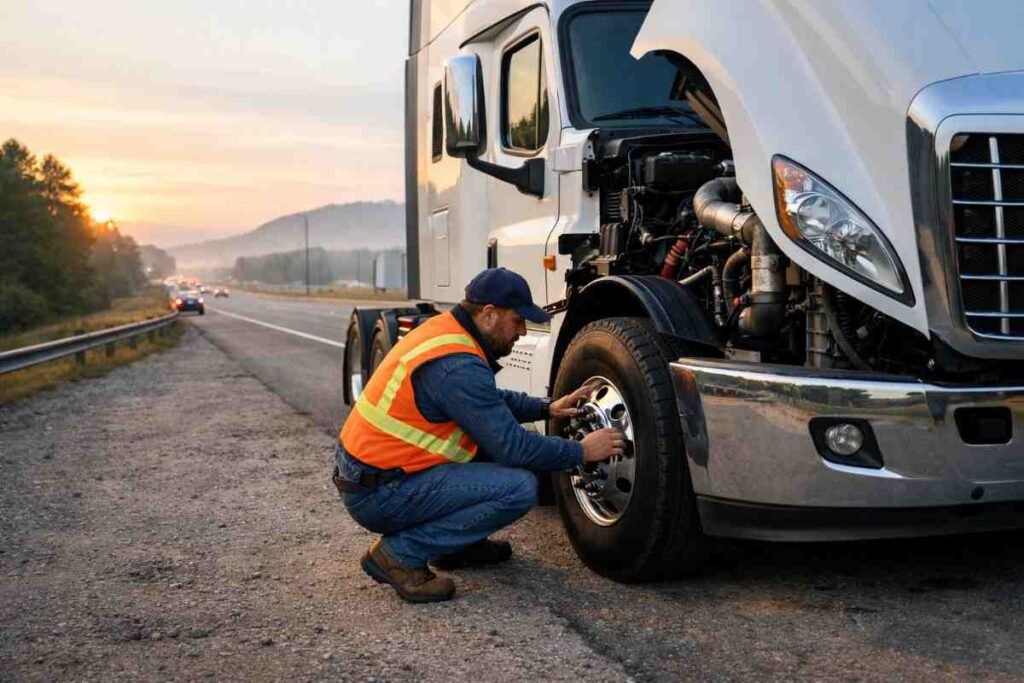
Tire blowouts rank among the leading causes of commercial vehicle accidents. Use a reliable gauge to measure the air pressure in every single tire. Visually inspect the treads for uneven wear, cuts, or embedded objects. A tread depth gauge helps confirm that your tires meet legal safety standards.
Brakes require just as much attention. Listen for air leaks when you apply the brake pedal. Test the parking brake to confirm it holds the vehicle securely. Check the brake pads and shoes to ensure they have adequate thickness for the journey ahead.
Evaluating Visibility and Lighting Systems
Driving a large vehicle requires maximum visibility at all times. A dirty windshield or a broken mirror creates dangerous blind spots. Clean all glass surfaces thoroughly and adjust your mirrors to monitor your trailer and adjacent lanes.
Upgrading and Maintaining Illumination
Proper lighting ensures you can see hazards and allows other motorists to see you. Walk around the vehicle and test every light. This includes headlights, tail lights, turn signals, brake lights, and clearance lights. Replace burnt-out bulbs immediately and wipe away any dirt or mud covering the lenses. For operators driving on dark rural routes or off-grid job sites, adding LED light bars for trucks provides a massive upgrade in forward illumination. Improved lighting reduces eye strain and gives you more time to react to wildlife or debris in the road.
Securing the Cargo
An insecure load creates a massive safety hazard. Shifting cargo can alter the center of gravity, making the vehicle difficult to steer and increasing the risk of a rollover.
Weight Distribution and Tie-Downs
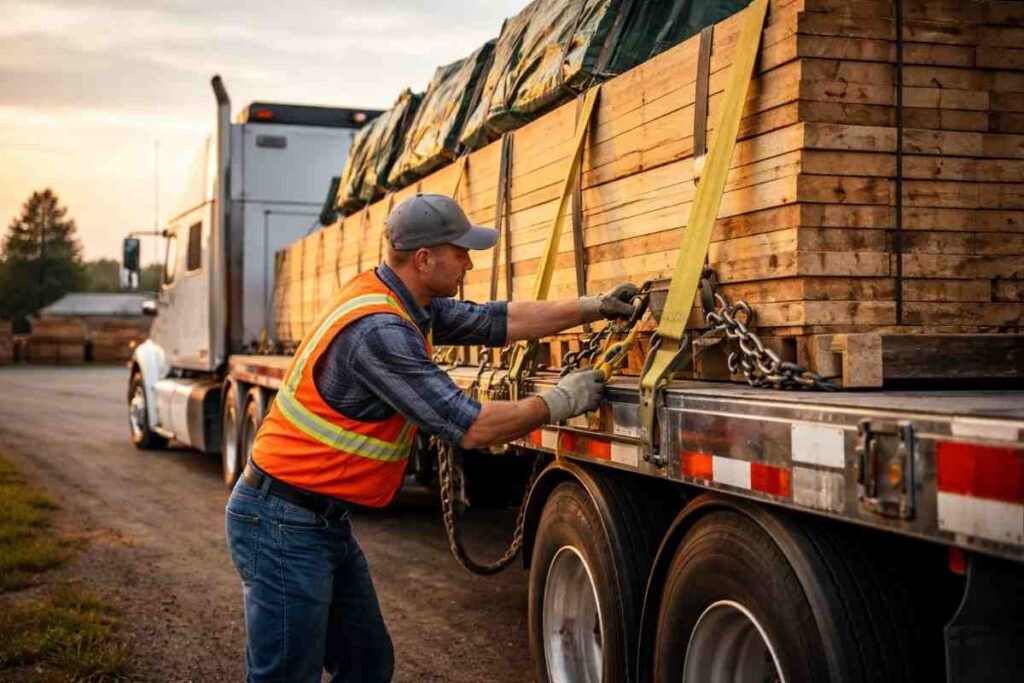
Always distribute the weight of your cargo evenly across the trailer bed. Overloading a specific axle places extreme stress on the suspension and tires. Use high-quality straps, chains, and binders to secure everything tightly. Inspect these tie-downs for fraying, rust, or weak points before every trip. If you drive a flatbed, stop periodically during your route to re-tighten the straps, as loads often settle and shift after the first few miles of travel.
Preparing an Emergency Kit
Even the best-maintained vehicles can experience unexpected breakdowns. Carrying a well-stocked emergency kit prepares you for the worst-case scenarios.
Your kit should contain at least three reflective triangles or road flares to warn oncoming traffic if you need to pull over. Pack a fully charged fire extinguisher rated for chemical and electrical fires. Include a comprehensive first aid kit, spare fuses, jumper cables, and a basic tool set for minor repairs. In cold climates, bring extra blankets, non-perishable food, wrinkle-free travel clothes and a supply of drinking water in case you get stranded in freezing temperatures.
Summary
Taking the time to ensure your vehicle is road-ready protects you, your cargo, and the motoring public. A safe trip starts long before you merge onto the highway. By conducting strict pre-trip inspections, monitoring your fluid levels, testing your lighting systems, and securing your cargo properly, you drastically reduce the risk of accidents.
These are essentials when travelling by yourself in remote areas. Consistent maintenance routines turn unpredictable hazards into manageable situations, ensuring you arrive at your destination safely and on time.

Related Posts
The Benefits of Owning a Toy Hauler for Outdoor Travel

7 Best Times to Explore Wildlife