How Contractors Improve Energy Efficiency in Office Spaces
Commercial office buildings consume a massive amount of electricity and natural gas. Facility managers and business owners face mounting pressure to reduce overhead costs while meeting increasingly strict environmental standards. That is where professional contractors step in to make a tangible difference.
Understanding Energy Efficiency in Commercial Buildings
Energy efficiency in a commercial setting means using less energy to perform the same tasks. For an office building, this translates to maintaining a comfortable temperature, keeping the space well-lit, and running necessary equipment without wasting power.
Older buildings often suffer from outdated designs and aging equipment. Drafty windows, uninsulated walls, and legacy heating systems force the building to work harder to maintain baseline comfort. Contractors evaluate these structures as a complete system.
They look at how air flows through the corridors, how heat escapes through the roof, and how natural light is utilized. Correcting these systemic flaws reduces overall energy demand and significantly extends the lifespan of the building’s infrastructure.
Key Areas for Improvement
When contractors begin an energy upgrade, they typically focus on a few high-impact areas. Targeting these specific systems yields the highest return on investment.
Lighting Upgrades
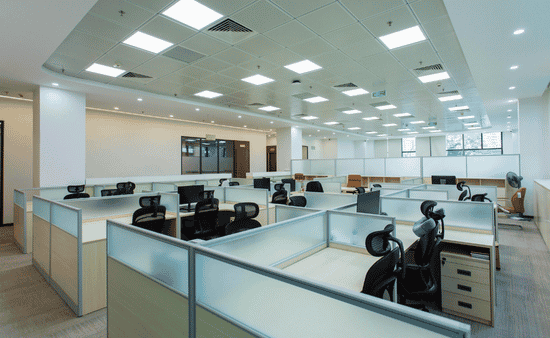
Lighting accounts for a large portion of an office’s energy use. Contractors often start by replacing traditional fluorescent bulbs with light-emitting diode (LED) fixtures. LEDs use a fraction of the electricity and last significantly longer. Beyond simply changing bulbs, contractors install smart lighting controls. Occupancy sensors ensure lights turn off automatically in empty conference rooms, while daylight harvesting systems dim artificial lights when natural sunshine is abundant.
HVAC System Optimization
Heating, ventilation, and air conditioning (HVAC) systems are the largest energy consumers in most office buildings. Contractors improve HVAC efficiency through a mix of maintenance and modernization. They seal leaky ductwork to prevent conditioned air from escaping into the ceiling plenum.
If the existing system is nearing the end of its lifespan, they may recommend installing high-efficiency units equipped with variable speed drives. These modern systems adjust their output based on the exact needs of the building at any given moment, rather than running at full capacity continuously.
Enhanced Insulation
Even the best HVAC system will waste energy if the building envelope is poorly insulated. Contractors assess the roof, exterior walls, and windows to identify thermal leaks. Adding high-grade insulation keeps warm air inside during the winter and blocks heat from entering during the summer. Upgrading to double or triple-pane windows with low-emissivity coatings further stabilizes indoor temperatures, reducing the workload on the mechanical systems.
The Role of Contractors in Energy Audits and Upgrades
The journey to a greener office begins with a comprehensive energy audit. Contractors use specialized equipment like thermal imaging cameras and blower doors to pinpoint exactly where a building loses energy. They analyze historical utility data to establish a baseline of current consumption.
As part of this process, contractors also evaluate safe and efficient electrical installations to ensure that wiring, lighting systems, and other electrical components operate reliably while supporting the building’s overall energy efficiency goals.
Once the audit is complete, the contractor develops a strategic upgrade plan. They prioritize projects based on upfront costs, available rebates, and expected payback periods. During the installation phase, they manage the entire process to ensure that new systems integrate smoothly with existing infrastructure. Their expertise ensures that all modifications meet local building codes and strict energy standards.
Choosing the Right Contractor for Your Energy Efficiency Project
Selecting the proper professional is critical to the success of your energy upgrade. You need a team that understands the unique demands of commercial construction.
Start by looking for contractors with specific certifications, such as LEED (Leadership in Energy and Environmental Design) credentials or partnerships with government energy programs. Ask for case studies of past office renovations to verify their track record.
Local expertise is equally important. Regional climates dictate specific building requirements, and local contractors understand which materials perform best in your area. For instance, if you are reconfiguring office layouts to improve airflow and insulation, partnering with experts in commercial drywall in Utah ensures the interior walls are built to support your specific climate and energy goals. Always gather multiple bids and check client references to ensure the contractor communicates clearly and stays within budget.
Benefits Beyond Savings: Productivity and Environmental Impact
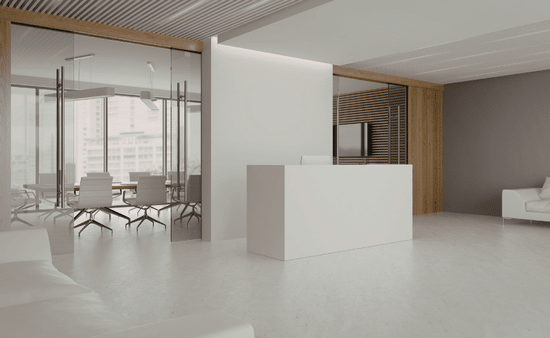
Lowering monthly utility bills is a primary motivation for upgrading an office, but the advantages extend far beyond financial savings.
Energy-efficient buildings are inherently more comfortable. Consistent temperatures and improved air quality reduce employee sick days and boost overall focus. Proper lighting reduces eye strain, helping staff maintain productivity throughout the afternoon.
Furthermore, reducing a building’s energy consumption directly lowers its carbon footprint. Companies that operate out of green buildings often enjoy a stronger brand reputation. Demonstrating a commitment to sustainability helps attract environmentally conscious clients and top-tier talent who prefer to work for responsible organizations.
Conclusion
Upgrading an office space for better energy performance is a strategic business decision. By collaborating with experienced contractors, organizations can systematically eliminate energy waste, reduce operating costs, and foster a healthier work environment.