

Understanding Vapour Permeable Membranes: Benefits and Applications
Vapour membranes are an essential component in modern building construction, particularly in ensuring the longevity and efficiency of structures. Among these, the vapour permeable membrane stands out due to its specialised functions in controlling moisture transfer within building assemblies. A thorough understanding of these membranes, their benefits, and typical applications is crucial for architects, builders, and property owners aiming to optimise building performance.
What Are Vapour Permeable Membranes?
The Science Behind Vapour Permeability
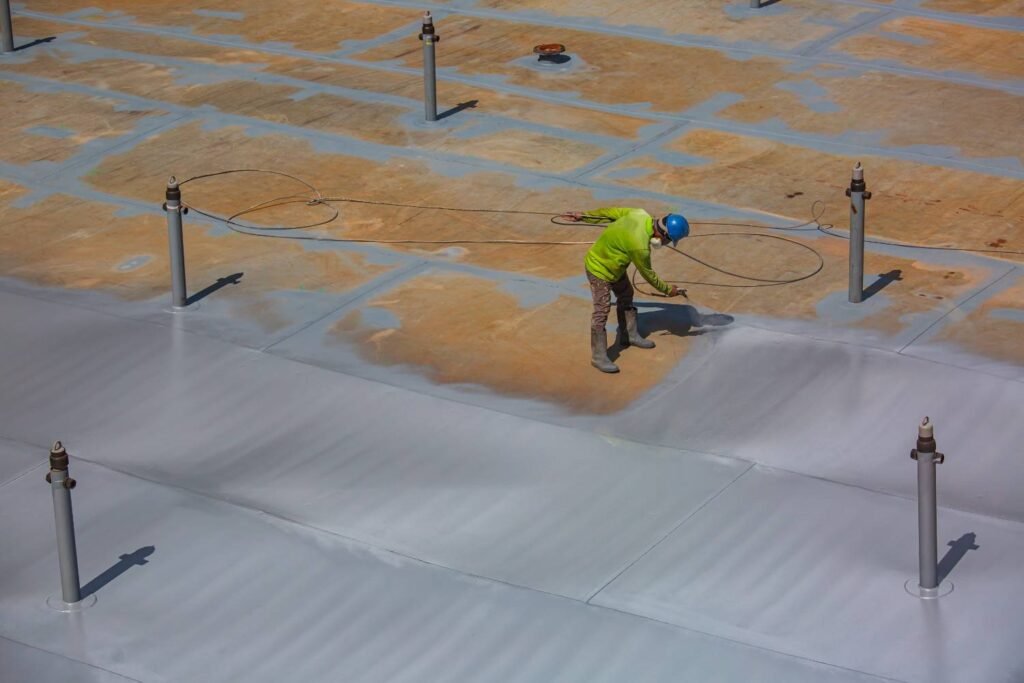
The primary function of these membranes is based on their permeability rating, which measures how much water vapour can pass through the material over time. This property is influenced by the membrane’s composition, thickness, and installation method. Vapour permeable membranes typically have a micro-porous structure or are made from hydrophilic materials, allowing them to “breathe” while creating a barrier against liquid water.
Difference Between Vapour Permeable and Traditional Membranes
Traditional membranes often block both air and moisture, leading to potential condensation and dampness within walls. In contrast, vapour permeable membranes provide a balanced barrier, preventing liquid water ingress but allowing internal moisture to escape. This balance helps maintain the durability of building materials and prevents issues associated with trapped moisture, such as mould growth and timber decay.
Benefits of Vapour Permeable Membranes
Using vapour permeable membranes offers numerous advantages in building constructions, especially in climates prone to moisture fluctuations.
Enhanced Moisture Management
One of the most significant benefits is effective moisture control. These membranes reduce the risk of condensation by allowing trapped moisture within walls and roof spaces to evaporate, which preserves the integrity of insulation and structural components.
Improved Energy Efficiency
By preventing moisture accumulation and enhancing insulation performance, vapour permeable membranes contribute to better temperature regulation indoors. This advantage can lead to reduced energy consumption for heating and cooling, supporting sustainability goals.
Structural Protection
The membranes mitigate problems such as mould, rot, and corrosion by preventing the ingress of liquid water while allowing water vapour to escape. This protection extends the lifespan of building materials and reduces maintenance costs.
Comfort and Indoor Air Quality
Maintaining a dry and well-ventilated internal environment improves occupant comfort and minimises health risks associated with dampness, such as respiratory problems caused by mould spores.
Key Applications of Vapour Permeable Membranes
Vapour permeable membranes are used extensively across various construction elements, adapting to different environmental conditions and structural needs.
Wall Construction
In external walls, vapour permeable membranes are installed behind cladding or brick veneer to protect against wind-driven rain while allowing moisture from internal spaces to escape. This is particularly valuable in timber-framed constructions where moisture control is critical.
Roof Systems
These membranes are also vital under roof coverings, where they provide a water-resistant layer that protects the building interior but permits moisture to evaporate, preventing condensation issues within roofing structures.
Flooring Systems
In certain applications, vapour permeable membranes assist in managing ground moisture beneath flooring systems, enhancing the durability and comfort of ground-floor constructions.
Renovations and Retrofits
When upgrading older buildings, integrating vapour permeable membranes can significantly improve moisture resilience without compromising the existing structure’s breathability.
Installation Considerations
Proper installation of vapour permeable membranes is crucial to maximise their effectiveness. Experts recommend ensuring that membranes are continuous, with sealed overlaps and correctly fixed to avoid damage. Additionally, the positioning of the membrane relative to other building components must align with moisture movement patterns to avoid trapping vapour.
Compatibility with Other Building Materials
Choosing the Right Vapour Permeable Membrane
Selecting an appropriate vapour permeable membrane involves assessing the building’s climatic conditions, structural design, and intended use. Factors such as permeability rating, durability, UV resistance, and ease of installation should be considered. Consulting product specifications and experts can guide the decision-making process.
Compliance with Building Regulations
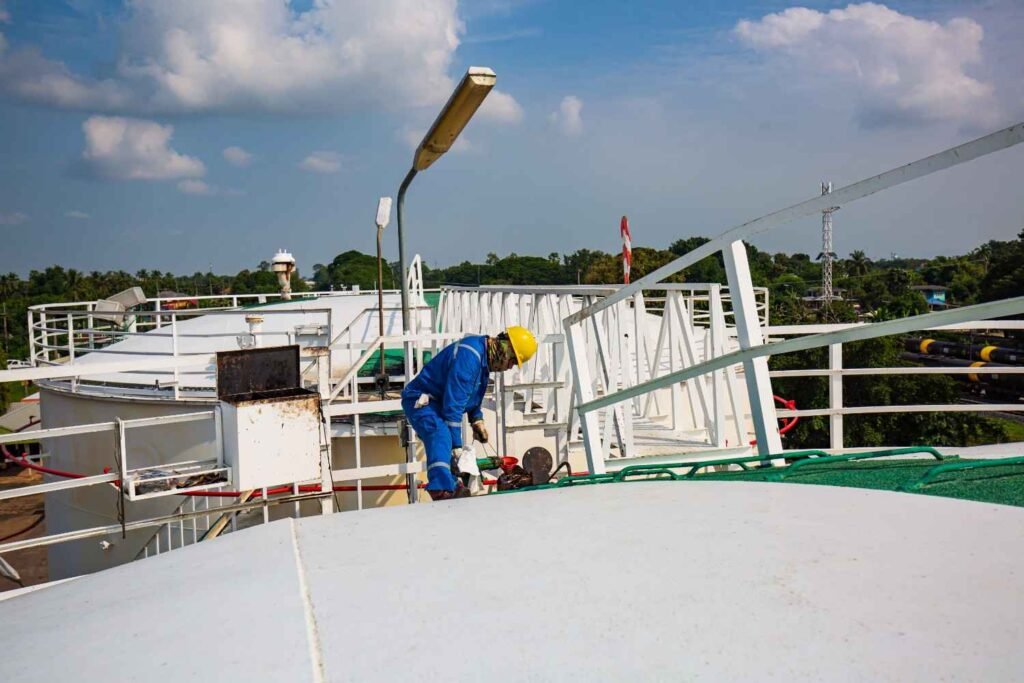
Many countries have building codes that mandate moisture control measures to ensure safety and sustainability. Using certified vapour permeable membranes can help ensure compliance with these regulations, avoiding costly rectifications and ensuring insurance coverages remain valid.
Innovations and Future Trends
Advancements in materials science have led to the development of increasingly efficient vapour permeable membranes. New products offer improved breathability, enhanced durability, and better environmental performance. Emerging sustainability standards also encourage the use of membranes that contribute to lower carbon footprints.
Conclusion
Vapour permeable membranes play an indispensable role in modern construction. Their unique ability to allow moisture vapour to escape while blocking liquid water ingress addresses critical challenges associated with dampness and condensation. This contributes to healthier building environments, improved energy efficiency, and prolonged structural integrity.
For optimal results, selecting the right vapour permeable membrane and ensuring professional installation is essential. Understanding the properties and applications of these membranes enables all stakeholders in construction to make informed decisions that enhance the performance and durability of buildings.