The Benefits and Techniques of Manual Lymphatic Drainage: A Complete Guide
Lymphatic drainage is a specialised therapeutic technique aimed at stimulating the natural drainage of the lymphatic system. The lymphatic system plays a crucial role in maintaining the body’s fluid balance and immune function by transporting lymph, a fluid containing infection-fighting white blood cells, throughout the body. When the lymphatic flow slows or becomes obstructed, swelling and other health issues can occur. One of the most effective remedies to promote lymphatic flow is manual lymphatic drainage.
Understanding the Lymphatic System
The lymphatic system consists of a network of vessels, nodes, and organs that carry lymph fluid. It helps remove toxins, waste, and excess fluid from the tissues, thereby supporting the immune system and preventing infections. Compared to the circulatory system that is powered by the heart, the lymphatic system relies primarily on muscle movement and external pressure to transport lymph.
Any impairment in lymphatic drainage can result in conditions such as lymphedema, characterised by swelling due to lymph accumulation. This condition commonly arises after surgery, injury, or radiation therapy, especially in cancer patients. Hence, effective lymphatic drainage is important to prevent and manage such symptoms.
What is Manual Lymphatic Drainage?
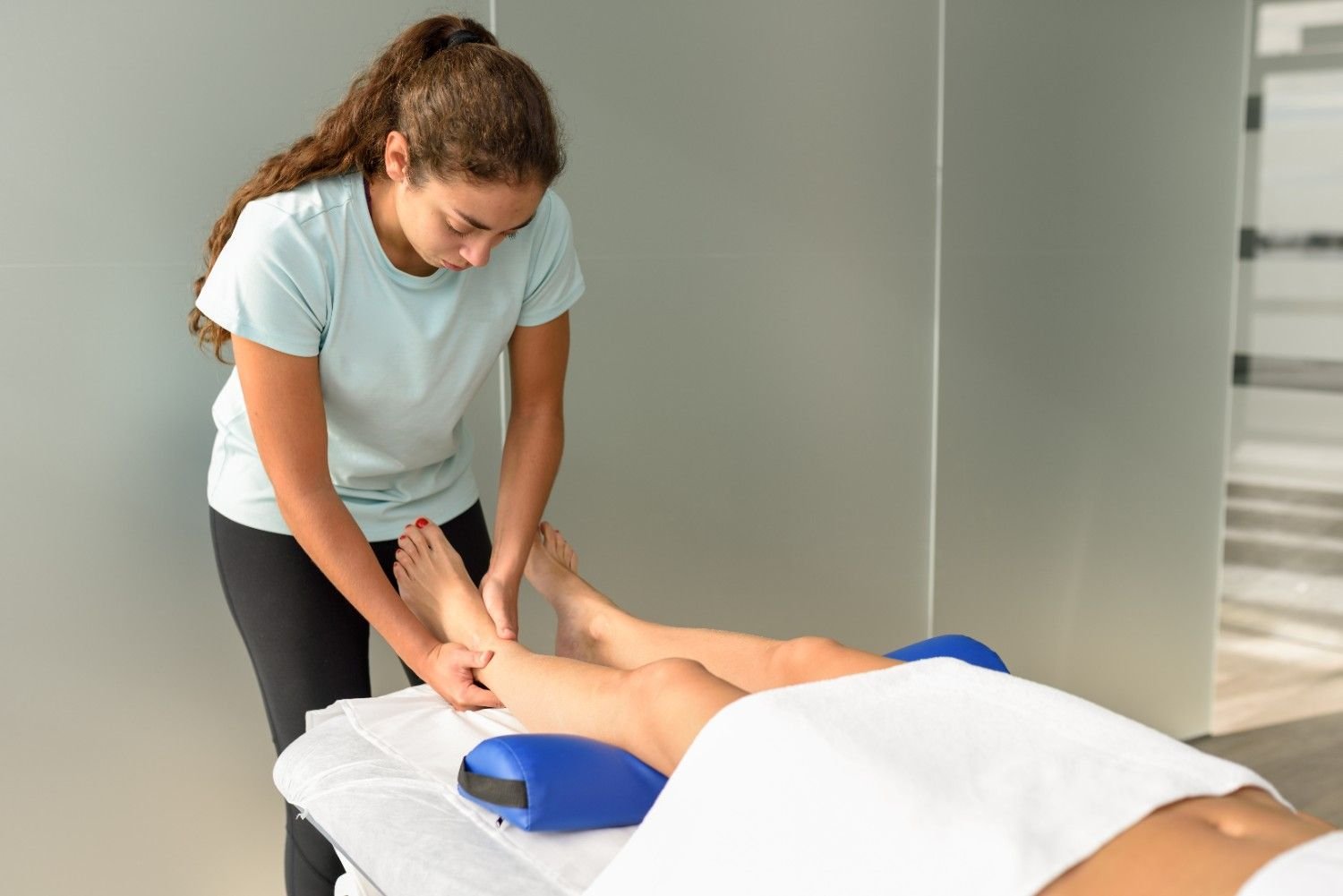
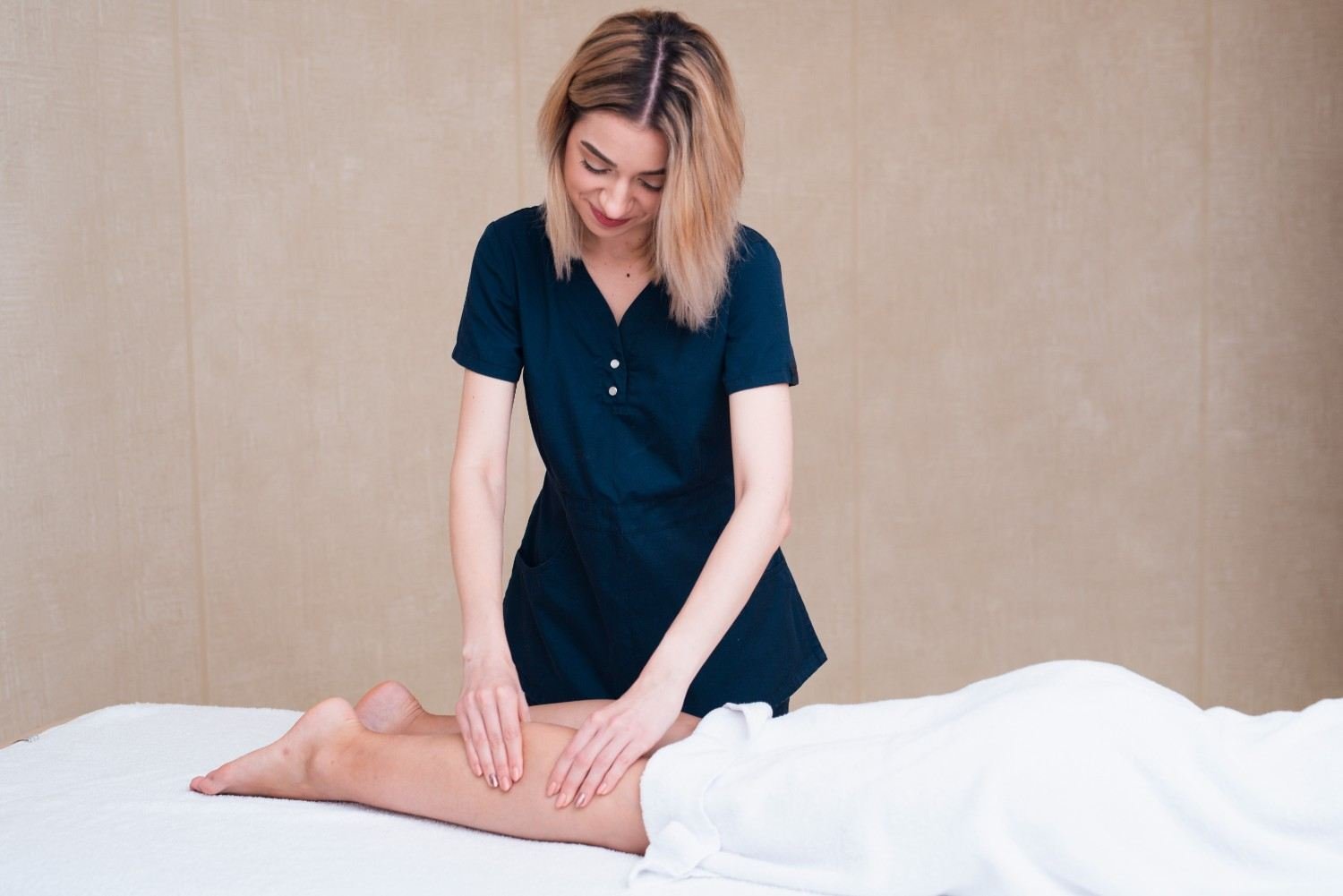
Manual lymphatic drainage is a specialised massage technique performed by trained therapists. It employs gentle, rhythmic, and precise movements that stimulate the lymph vessels and enhance the flow of lymph throughout the body. Unlike traditional massage, which focuses on muscle relaxation, manual lymphatic drainage targets the lymphatic system to promote fluid movement and detoxification.
The technique involves a series of light, circular, and pumping motions applied in specific directions aligned with lymphatic pathways. The pressure used is very gentle because lymphatic vessels lie close to the skin surface and can be easily damaged by heavy pressure.
The Benefits of Manual Lymphatic Drainage
Manual lymphatic drainage offers a wide range of benefits, particularly for individuals experiencing lymphatic stagnation or related health issues. These benefits include:
1. Reduction of Swelling and Inflammation
This therapy effectively reduces oedema by encouraging the drainage of excess lymph fluid from tissues. It is especially beneficial after surgery, injury, or breast cancer treatment to manage swelling and reduce discomfort.
2. Support for Immune Function
By facilitating the movement of lymph, manual lymphatic drainage enhances the removal of pathogens and toxins, thereby supporting the immune system’s ability to respond to infections.
3. Detoxification and Waste Removal
The technique assists in clearing metabolic waste products from the body, which can enhance skin health and overall wellness.
4. Pain Relief
Manual lymphatic drainage may alleviate pain associated with swelling by reducing pressure on nerves and improving circulation in affected areas.
5. Improved Circulation
While mainly targeting lymph flow, this treatment can have indirect benefits for blood circulation, promoting tissue health and repair.
6. Support for Chronic Conditions
Patients with chronic conditions like fibromyalgia and chronic venous insufficiency may find symptom relief through regular lymphatic drainage sessions, especially when this therapy is used alongside broader strategies for living well with chronic disability that support comfort, mobility, and day-to-day wellbeing.
Who Can Benefit from Manual Lymphatic Drainage?
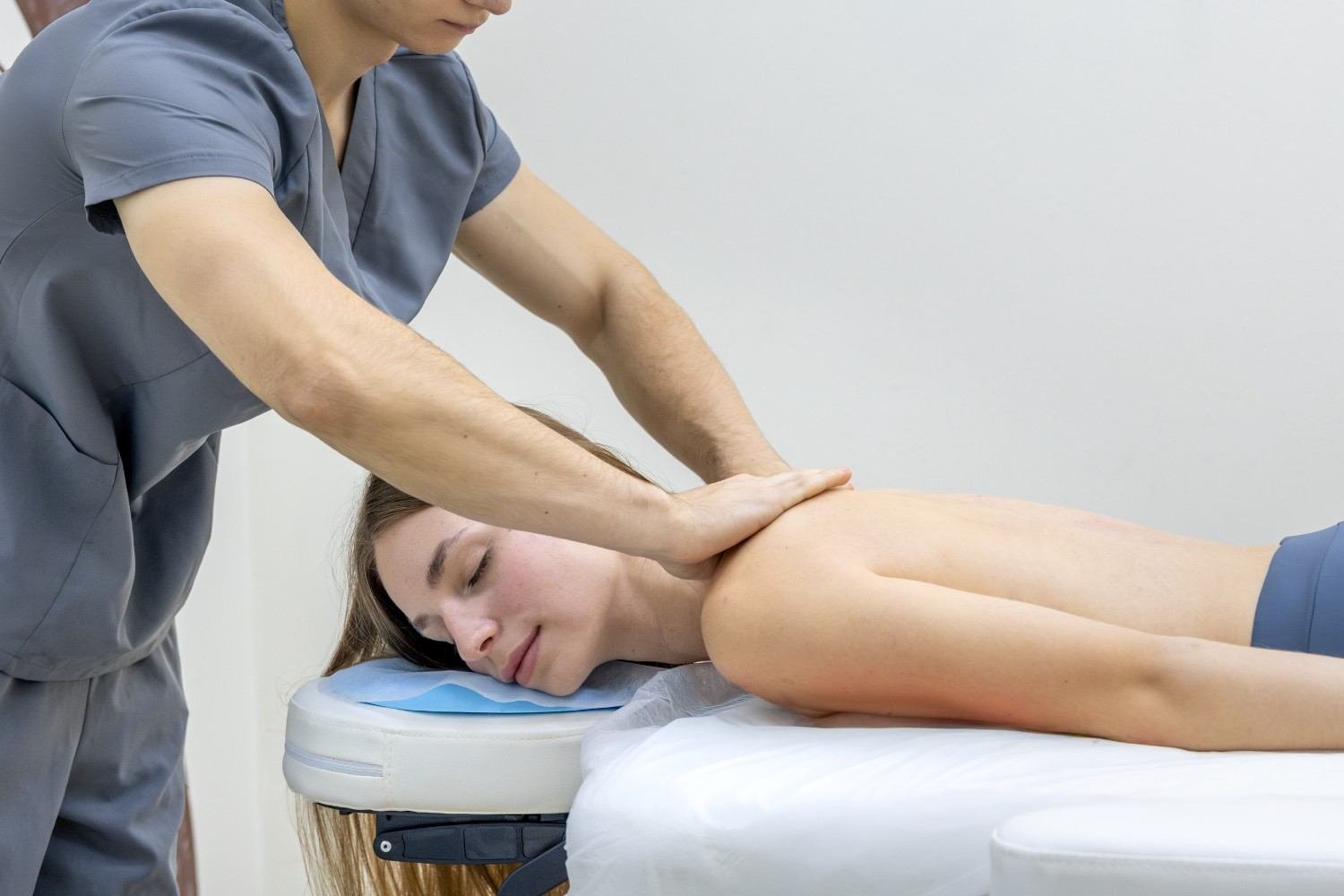
This therapy is advantageous for a broad variety of individuals. Patients undergoing post-operative recovery, particularly after cancer treatments such as mastectomy, frequently utilise manual lymphatic drainage to prevent or reduce lymphedema.
Athletes may also benefit from it due to its ability to reduce muscle soreness and accelerate recovery by clearing lactic acid and other waste products.
Additionally, those with skin conditions such as acne or cellulite may see improvements through the detoxifying effects of improved lymphatic function.
Contraindications and Precautions
Manual lymphatic drainage is generally safe but is not suited for everyone. It is contraindicated in cases of acute infections, active cancer, blood clots, congestive heart failure, or significant kidney problems. Prior consultation with a healthcare provider or lymphatic therapist is essential to determine suitability.
Techniques Used in Manual Lymphatic Drainage
The efficacy of manual lymphatic drainage depends largely on the correct application of specific techniques. These include:
1. Stationary Circle
This technique involves applying light pressure with circular movements over lymph nodes or vessels to stimulate lymph flow.
2. Pump Technique
A gentle rhythmical pressure is applied in a pumping motion to move lymph fluid along the lymphatic vessel pathways.
3. Rotary Technique
Small rotary motions are used to enhance lymph drainage, typically over large lymph node areas.
4. Scoop Technique
The therapist uses scooping movements to encourage lymph flow in the proper directional pathways of lymphatic vessels.
Training and Professional Practice
Manual lymphatic drainage is a specialised skill requiring formal training and certification. Qualified practitioners understand the anatomy and physiology of the lymphatic system and master the delicate techniques necessary to ensure safety and effectiveness.
It is essential to seek treatment from certified professionals who can tailor approaches based on individual health status and needs.
Complementary Approaches to Enhance Lymphatic Health
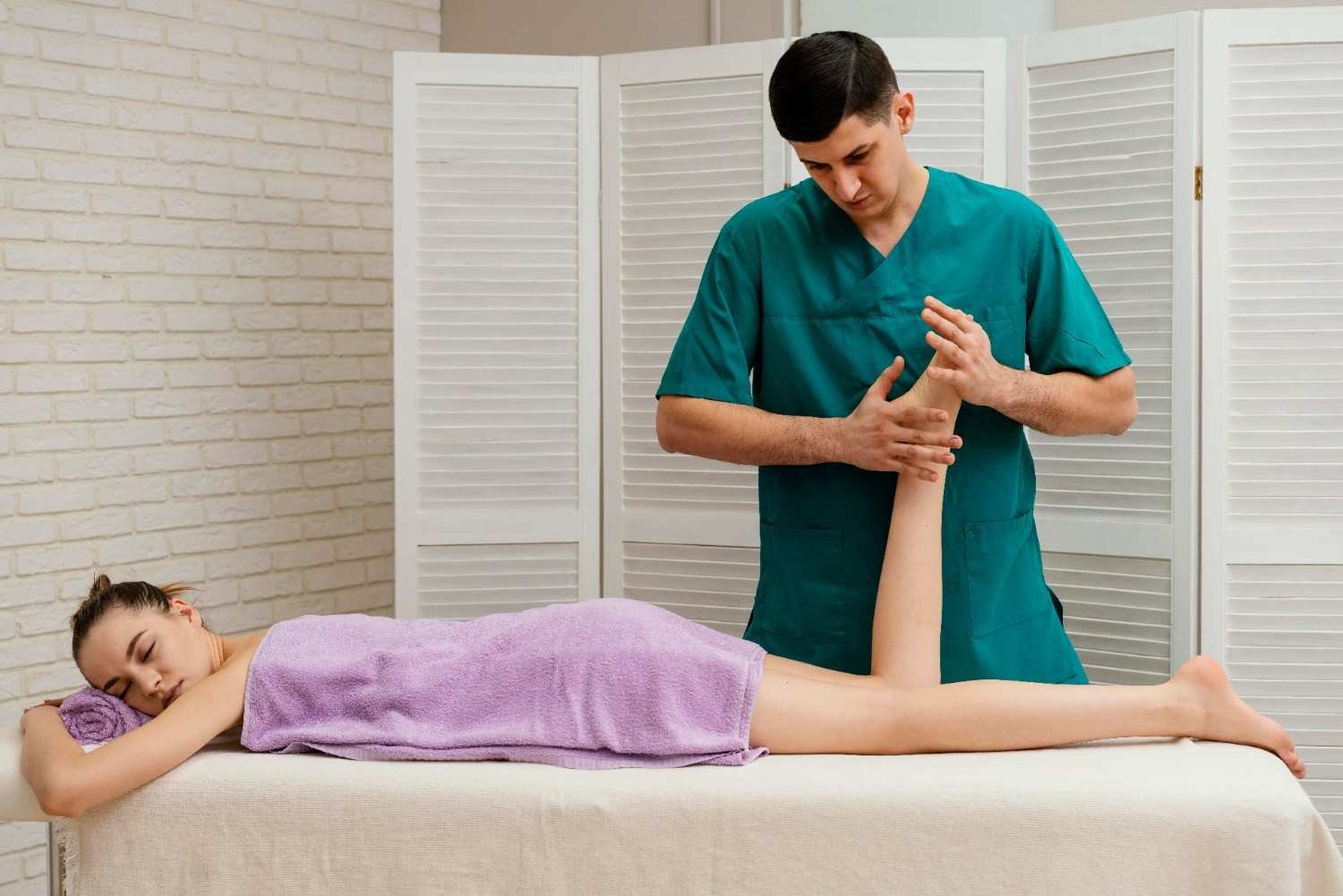
Manual lymphatic drainage is most effective when combined with lifestyle practices that support lymphatic function. These include regular physical exercise, maintaining hydration, wearing compression garments if prescribed, and avoiding tight clothing that restricts lymph flow.
Dietary measures that reduce inflammation and support the immune system can also bolster lymphatic health.
Conclusion
Manual lymphatic drainage is a highly beneficial therapeutic technique that promotes the efficient functioning of the lymphatic system. Its gentle and precise methodology provides relief from swelling, supports immune function, and facilitates detoxification. With appropriate professional guidance, it offers a valuable option for improving health outcomes, particularly in post-surgical recovery and chronic lymphatic conditions.
By integrating manual lymphatic drainage with supportive lifestyle habits, individuals can significantly enhance their lymphatic health and overall well-being.