
9 Ways to Build Student Ownership of Learning That Go Beyond Participation
When I think about ways to build student ownership of learning, I start with a simple question: Can students explain what they are learning, why it matters, and what they need to do next? Finishing assignments tells only part of the story. Ownership becomes visible when students make thoughtful decisions, examine their progress, and use feedback to improve.
In elementary, middle, and high school classrooms, teachers can develop these habits without replacing the curriculum. The key is sharing meaningful responsibility while keeping grade-level expectations clear.
What Does Student Ownership of Learning Look Like?
Student ownership means learners actively help direct, monitor, and improve their learning. Engagement matters, but participation alone does not demonstrate ownership.
A student might enthusiastically complete a poster without understanding its purpose. Another might explain how the poster demonstrates a science concept, identify missing evidence, and plan a revision. That second student shows ownership.
Teachers still provide instruction, structure, and support. Independence develops through guided practice.
1. Make Learning Goals and Success Criteria Clear

Students need to understand the destination before choosing a path.
Translate curriculum standards into accessible learning targets. In a seventh-grade English class, “I can support a claim with relevant evidence” communicates more than “Complete the worksheet.”
Examine Examples Together
Compare two anonymous work samples from inquiry based learning activities for high school students. Ask students which better meets the target and why. Build a checklist together, checking that it reflects required standards. Students can then use those criteria throughout the assignment.
2. Offer Meaningful Choices Within Boundaries
Choice should influence learning rather than simply change an assignment’s appearance.
Students might select a research question, reading passage, practice strategy, or appropriate presentation format. Begin with two or three manageable options.
Keep assessment fair. If the target is persuasive writing, every student needs to produce writing. When the target is explaining an ecosystem, different formats may work if they provide comparable evidence against shared criteria.
3. Help Students Set Goals and Track Progress
Broad goals such as “get better at math” provide little direction.
Help students identify one specific improvement based on current work. A fourth grader might aim to explain each step when solving multiplication problems.
Use a simple goal card, learning journal, or private digital tracker. During Friday check-ins, students review evidence and decide whether to continue, adjust, or replace their goal. Measure growth against learning expectations rather than classmates.
4. Teach Self-Assessment Before Asking for Independence
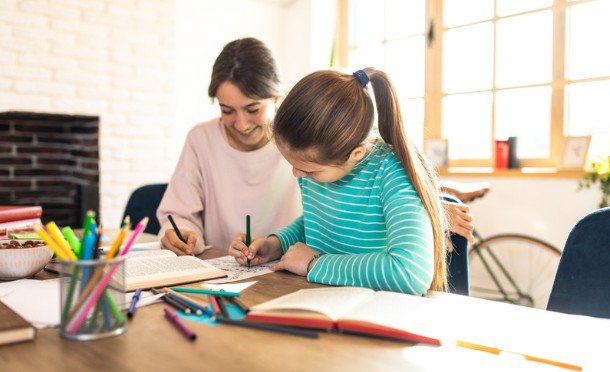
Students need instruction in judging their work accurately.
Model the process aloud: “My paragraph includes evidence, but I have not explained how it supports my claim.”
Then ask learners to identify one strength, one unfinished element, and one next step. Require examples from their work rather than unsupported ratings.
Younger children can use pictures or brief conferences. Older students can annotate drafts and organize portfolios. Teacher checks help students calibrate their judgments.
5. Turn Feedback Into Student-Led Revision
Feedback becomes useful when students act on it.
Instead of marking every error, identify a manageable priority and provide time for revision. Invite students to request feedback on a particular concern, such as reasoning or organization.
Teach peer-review routines with clear criteria and respectful language. Students should explain which suggestion they used and how it improved their work.
Normalize mistakes by discussing your own revisions. A supportive classroom makes asking for help easier.
6. Build Reflection Into Daily Lessons
Reflection should help students make decisions about learning.
Use a two-minute exit ticket with questions such as, “Which strategy helped you today?” and “What will you try next?”
Revisit responses during the following lesson so reflection informs action. A student who struggled with textbook directions might choose an annotated example next time.
Track patterns over several weeks. These conversations help learners recognize when to persist, change strategies, or seek support.
7. Give Students a Voice in Classroom Decisions

Student voice becomes meaningful when feedback influences appropriate decisions.
Invite learners to help develop discussion norms, suggest practice activities, or evaluate a completed unit. Explain which decisions are open and which requirements remain fixed.
Offer private surveys and written responses alongside discussions so quieter students can contribute.
Report back: “You requested more worked examples, so we will examine one before independent practice.” This makes the connection between feedback and action visible.
8. Develop Leadership Through Peer Teaching
Rotate meaningful roles so leadership extends beyond confident volunteers.
Students can facilitate discussions, explain a strategy, summarize group thinking, or lead a brief review. Coach them beforehand and check content accuracy.
Jigsaw discussions and gallery walks create additional opportunities to contribute expertise. Sentence frames can support multilingual learners and students who need help organizing ideas.
Maintain individual accountability by asking every student to explain what they learned, even when the final product is collaborative.
9. Connect Learning to Authentic Problems and Audiences
Give students a reason to apply knowledge beyond earning points.
A middle school class could analyze cafeteria food waste. High school students might examine local transportation data and prepare recommendations for community stakeholders.
Preserve academic rigor by requiring accurate calculations, credible evidence, and clear explanations.
Start small: offer one choice, model one reflection, and review one piece of evidence. Gradually expand responsibility while maintaining accommodations, accessible materials, and regular teacher check-ins.
Frequently Asked Questions
1. What are practical ways to build student ownership of learning?
Start with clear learning targets, limited meaningful choices, and short reflection routines. Teach students to assess work against criteria, use feedback, and identify their next learning step.
2. How can teachers support reluctant learners?
Begin with a brief conference and two manageable options. Model the decision process, provide needed supports, and recognize specific progress without expecting immediate independence.
3. How can teachers tell whether ownership is improving?
Look for students explaining goals, supporting self-assessments with evidence, revising thoughtfully, and requesting specific help. Compare these behaviors over time alongside the quality of their work.
Helping Students Take the Next Step
I see ownership as something teachers build through consistent opportunities to practice. I would begin with one routine students can understand and sustain, then expand it as their confidence grows. When learners can explain their goals, evaluate their work, and choose a productive next step, responsibility becomes part of everyday learning.