
8 Costly Bidding Mistakes Contractors Should Stop Making
Winning a contract isn’t just about having the lowest price—it’s about submitting a bid that’s accurate, competitive, and compelling enough to earn trust. Yet, many contractors lose out on valuable projects (or worse, win them and lose money) because of avoidable missteps in the bidding process.
Underestimating Project Scope and Costs

This is one of the most damaging mistakes a contractor can make. Rushing to submit a bid without a thorough review of project requirements often results in cost overruns that eat directly into your margins.
Accurate bidding means accounting for every line item—materials, labor, equipment, permits, and overhead. It also means reading the project documents carefully. Ambiguous specs or scope gaps should be flagged and clarified with the client before you finalize your numbers.
A few practical steps:
- Conduct a detailed site visit whenever possible
- Use historical data from similar past projects to benchmark costs
- Build in a realistic buffer for price fluctuations on materials
Underestimating might get your foot in the door, but it rarely leads anywhere profitable.
Neglecting Proper Risk Assessment
Every project carries risk. The contractors who manage bidding well aren’t the ones who avoid risk—they’re the ones who identify and plan for it early.
Common risks that get overlooked include unexpected site conditions, supply chain disruptions, weather-related delays, and mid-project regulatory changes. When these aren’t factored into a bid, they become costly surprises down the line.
Build a contingency allowance directly into your bid—typically 5–15% depending on project complexity. For higher-risk projects, consider whether the contract includes provisions that allow for cost adjustments when unforeseen conditions arise.
Poor Communication with Clients and Subcontractors

Miscommunication during the bidding phase creates problems that compound through every stage of project execution. Assumptions about scope, timelines, and responsibilities have a way of becoming expensive disagreements later.
Clear, documented communication is non-negotiable. This means:
- Confirming all verbal conversations in writing
- Sending formal clarification requests when bid documents are unclear
- Aligning with subcontractors on pricing and availability before submitting your bid
Tools like Procore, Buildertrend, or even a well-organized email thread can help keep everyone on the same page. The goal is to leave no room for “I thought you meant…”
Failing to Differentiate Your Bid
A generic bid that looks identical to every other submission is easy to overlook. If you’re not giving the client a reason to choose you specifically, price becomes the only differentiator—and that’s a race to the bottom.
Think about what sets your work apart. Do you have a strong safety record? Specialized experience with a particular type of construction? A track record of delivering on time? Say so, clearly and confidently.
Include relevant project case studies or references where appropriate. Highlight your team’s qualifications. A bid that tells a story of competence and reliability is far more persuasive than a spreadsheet of line items.
Inadequate Legal and Contractual Review

Pay particular attention to:
- Payment milestones: Are they tied to realistic project phases?
- Liquidated damages: What are the penalties for delays, and are they proportionate?
- Indemnification clauses: Are you taking on liability that should sit with another party?
For complex or high-value contracts, the cost of an hour with a construction attorney is almost always worth it.
Over-Reliance on Low-Ball Pricing
Pricing low to win work is a short-term strategy with long-term consequences. Contractors who consistently underbid often find themselves cutting corners to stay solvent, which puts project quality—and their reputation—at risk.
Value-based pricing is a more sustainable approach. Start with your true costs, add a reasonable margin, and then communicate the value you bring to justify the number. Clients who only care about the cheapest option are often not the clients you want to build a long-term relationship with.
Winning fewer bids at healthier margins beats winning many bids that leave you stretched thin.
Not Leveraging Technology and Data
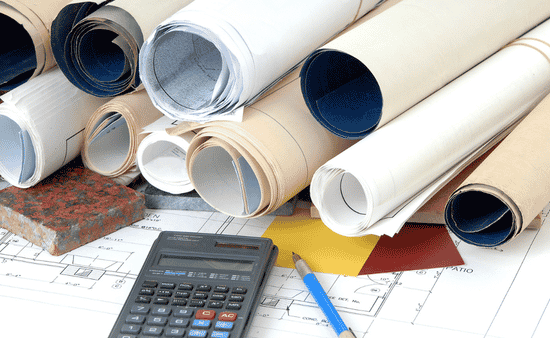
Manual takeoffs and spreadsheet-based estimates leave significant room for error. Modern estimation software—platforms like Biddi app—can dramatically improve both the speed and accuracy of your bids.
Beyond estimation tools, data matters. Tracking your bid-to-win ratio, average margin by project type, and actual versus estimated costs gives you the feedback loop needed to sharpen your approach over time. Contractors who treat bidding as a data-informed process consistently outperform those who rely on gut feel alone.
If your team lacks formal training in construction estimating or project management software, specialized courses can help close that gap quickly.
Skipping Post-Bid Analysis
Most contractors move on immediately after a bid is submitted—win or lose. That’s a missed learning opportunity.
After every bid outcome, take 20–30 minutes to review what went well and what didn’t. For lost bids, if the client is willing to share feedback, ask for it. For won bids, track whether your estimates held up against actual costs once the project wraps.
Key metrics worth monitoring:
- Bid success rate by project type
- Average variance between estimated and actual costs
- Time spent on bid preparation vs. project value
Over time, this data turns into a competitive advantage that’s hard for other contractors to replicate.
Conclusion
Bidding well is a skill—one that improves with discipline, the right tools, and a willingness to learn from every submission. The contractors who build lasting businesses aren’t necessarily the most talented builders on site. They’re the ones who treat the bidding process with the same rigor they bring to the work itself.