Essential Guide to Using Primer Sealer Undercoat for Flawless Finishes
Achieving a flawless paint finish is a goal for many professionals and DIY enthusiasts alike. One of the most critical steps in the painting process that can significantly impact the final appearance is the application of a primer sealer undercoat. This preparatory coating plays an essential role in ensuring the durability, uniformity, and longevity of the paint finish.
What is a Primer Sealer Undercoat?
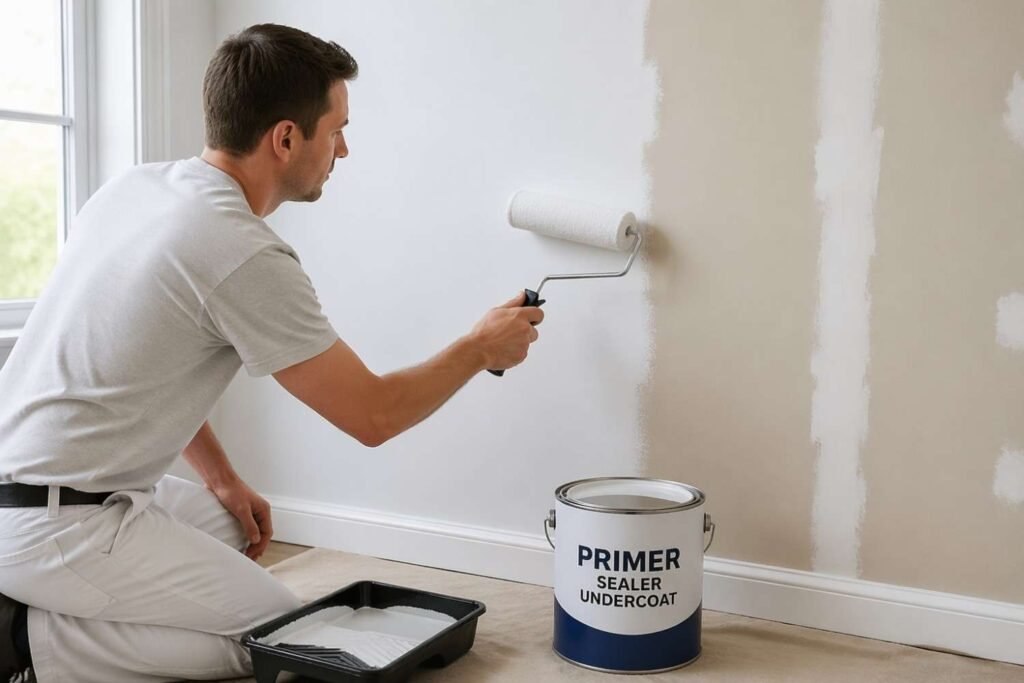
A primer sealer undercoat is a specialized paint product designed to be applied prior to the topcoat. It serves multiple functions, including sealing porous surfaces, blocking stains, and enhancing the adhesion of the finishing paint. Creating a smooth and sealed substrate, it allows the topcoat to be applied evenly and with improved color fidelity.
The Importance of Surface Preparation
Before applying any primer or paint, the surface must be thoroughly prepared. Proper surface preparation involves cleaning to remove dirt, dust, grease, or old flaking paint. Without adequate preparation, the primer and paint may fail to adhere properly, leading to peeling or uneven finishes over time.
Using a primer sealer undercoat after cleaning ensures that any remaining minor imperfections or porous areas are sealed. This is especially important on new plaster, timber, metal, or drywall surfaces that tend to absorb paint unevenly without a sealed base.
Benefits of Using a Primer Sealer Undercoat
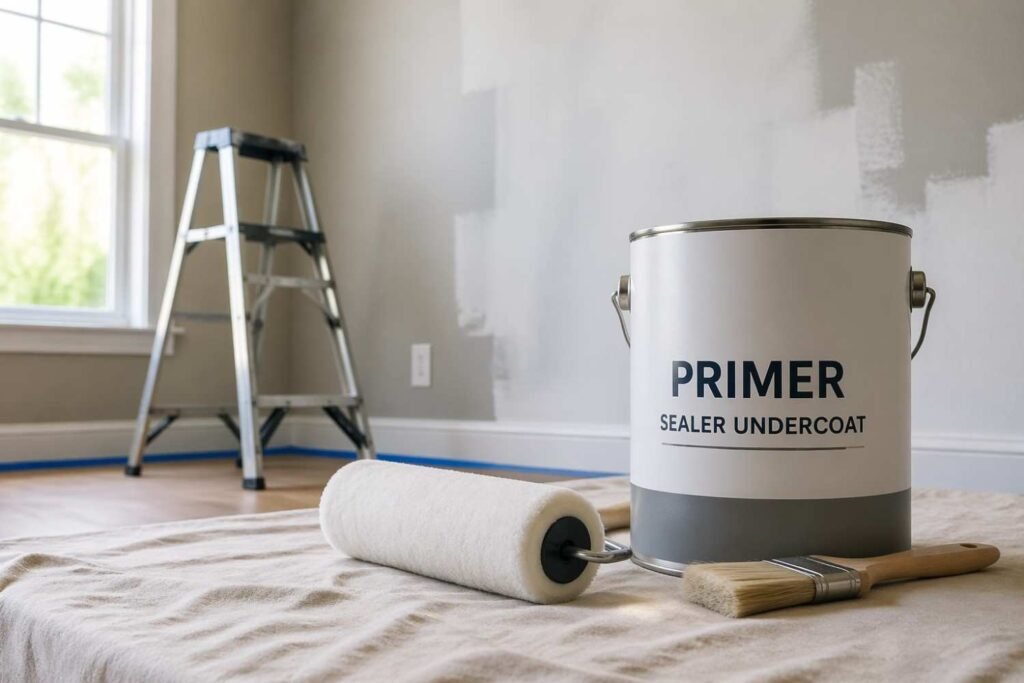
The benefits of using a primer sealer undercoat extend beyond simple adhesion. Key advantages include:
- Improved Adhesion: It promotes strong bonding between the surface and the topcoat, reducing the risk of peeling or blistering.
- Porosity Sealing: Porous materials like timber or bare plaster absorb paint unevenly. The primer sealer undercoat equalizes absorption, protecting the topcoat from excessive paint uptake and uneven gloss levels.
- Stain Blocking: Surfaces with knots, water stains, or other discolorations are effectively sealed, preventing these blemishes from bleeding through the decorative finish.
- Enhanced Durability: By providing a stable foundation, the primer sealer undercoat contributes to the long-term resilience of the paint system against environmental factors.
- Colour Uniformity: It helps to reduce the number of topcoats needed by providing a uniform base colour, especially when transitioning from a dark to a light finish or vice versa.
When to Use a Primer Sealer Undercoat
It is crucial to apply a primer sealer undercoat in specific situations for the best results. These include:
- On new timber that has never been painted to protect against tannin bleed and moisture absorption.
- On bare metal surfaces to prevent rust and improve paint adhesion.
- On plasterboard or drywall to seal absorbent surfaces and prevent uneven sheen.
- Over-patched areas or repairs where different substrates meet.
- When changing the color drastically, for instance, from dark to light shades.
Choosing the Right Primer Sealer Undercoat
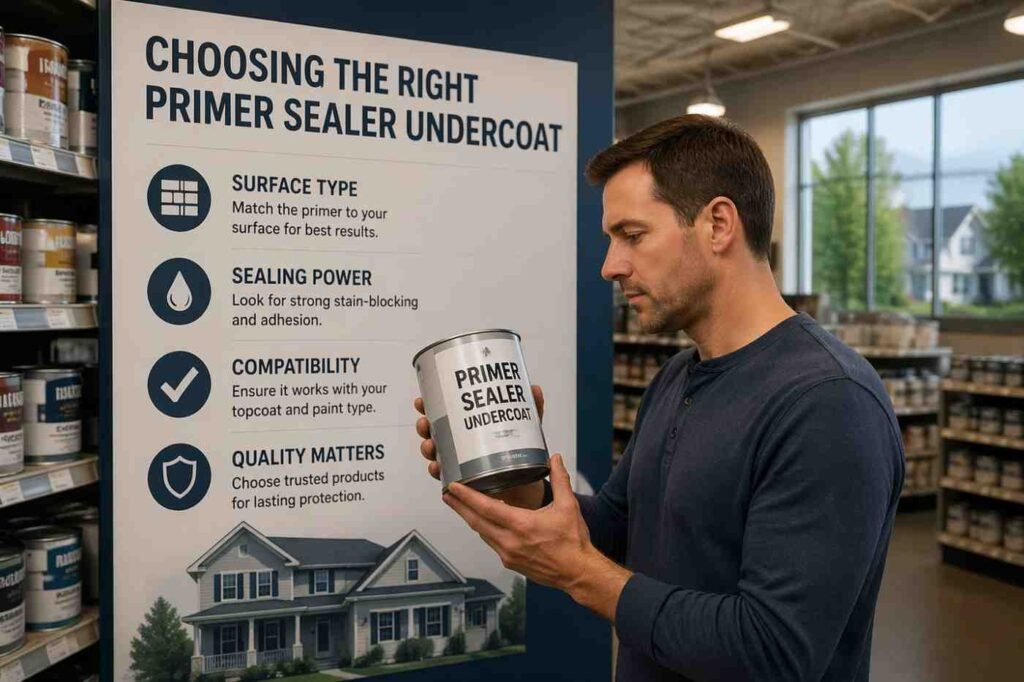
Selecting the appropriate primer sealer undercoat is essential for the specific substrate and finishing paint. Factors to consider include whether the surface is interior or exterior, the type of material (wood, metal, plaster), and the compatibility with topcoat paint types like oil-based or water-based paints.
Many modern formulations are multi-purpose, allowing for use across different substrates, simplifying the preparation process without compromising performance. For example, products available from professional suppliers like primer sealer undercoat cater to these demands in commercial and domestic applications.
Application Techniques
Applying a primer sealer undercoat requires attention to detail and correct technique to maximise its effectiveness:
- Ensure the surface is clean, dry, and free of contaminants.
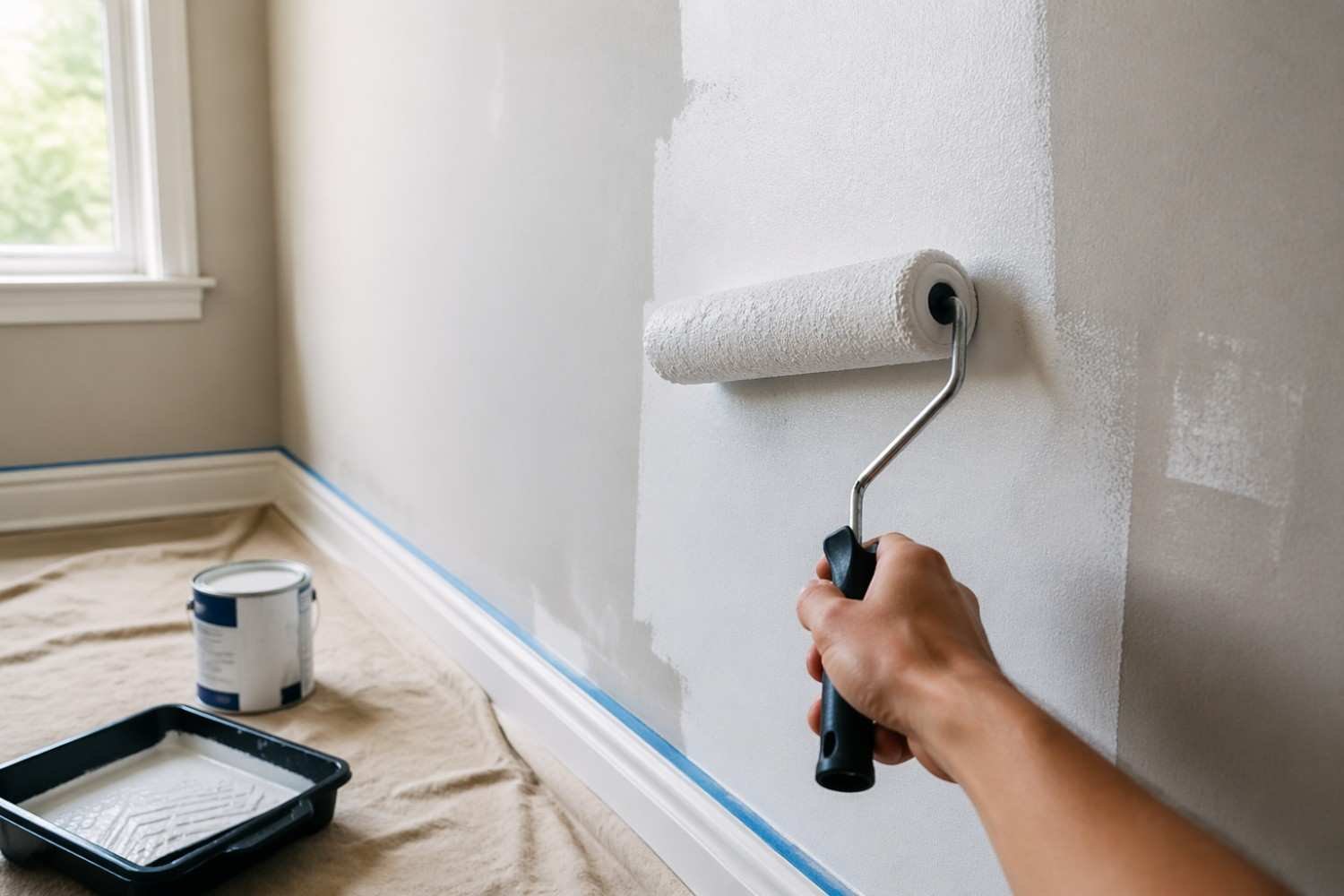
- Use recommended tools such as synthetic brushes, rollers, or spray equipment depending on the product specifications.
- Apply evenly, avoiding runs, drips, and thick patches.
- Allow adequate drying time as specified by the manufacturer before sanding or applying the topcoat.
- Lightly sand the primer sealer undercoat if necessary to enhance smoothness and adhesion.
Common Mistakes to Avoid
To ensure a professional finish, certain mistakes during the use of primer sealer undercoat should be avoided:
- Skipping primer coats entirely, which often leads to poor adhesion and visible stains on topcoats.
- Applying the primer to damp or dirty surfaces, which can trap moisture or contaminants.
- Using incorrect primers for specific substrates, reducing effectiveness.
- Neglecting to follow drying times before applying subsequent layers.
- Applying the primer too thickly, causing bubbling or peeling.
Environmental Considerations
Modern formulations of primer sealer undercoat increasingly focus on environmental responsibility. Low-VOC and water-based products are widely available and preferred for reducing harmful emissions and ensuring safer working conditions. These upgrades can also complement broader home improvements, including smart lighting solutions, which enhance both functionality and energy efficiency in modern spaces.
Conclusion
In painting preparation, the use of a high-quality primer sealer undercoat is indispensable for achieving a flawless, long-lasting finish. It provides essential sealing, adhesion, and stain-blocking properties necessary for a professional appearance.
Proper surface preparation combined with the correct primer selection and application technique lays the groundwork for exceptional paint results. Following the guidelines outlined in this guide will ensure surfaces are well-prepared to receive topcoats that are durable, uniform, and aesthetically pleasing over time.