
The Infrastructure Patients Never See
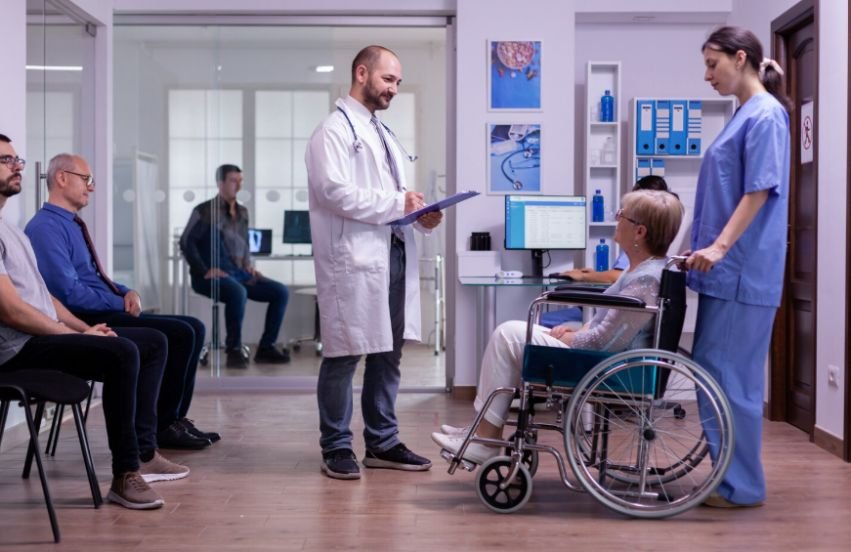
When a patient enters a modern healthcare facility, their attention naturally settles on the visible markers of clinical excellence. They notice the sterile aesthetic of the triage rooms, the hum of advanced diagnostic monitors, and the reassuring presence of specialized medical personnel.
Yet, the true operational foundation of any hospital is entirely invisible to the public eye. Concealed behind polished drywall and acoustic ceiling tiles lies an incredibly dense, multi-layered industrial network working continuously to sustain human life.
If a commercial office building experiences an infrastructure failure, the consequence is merely administrative inconvenience. In a tertiary care hospital, a minor interruption in utility distribution can result in immediate clinical catastrophe.
Managing these hyper-critical environments requires moving past standard commercial plumbing and electrical configurations. True institutional resilience relies on highly engineered, redundant mechanical systems.
By mastering the hidden physics of medical fluid transport, routing strict environmental control loops, and maintaining high-purity delivery networks, hospital facility engineers build the unshakeable foundation that allows clinical medicine to function safely.
While patients often recognize visible innovations like diagnostic equipment, surgical tools, and Sofwave skin rejuvenation solutions, the unseen mechanical systems behind the walls are what allow these technologies to function safely.
1. The Circulatory Lifeline of Compressed Medical Gases
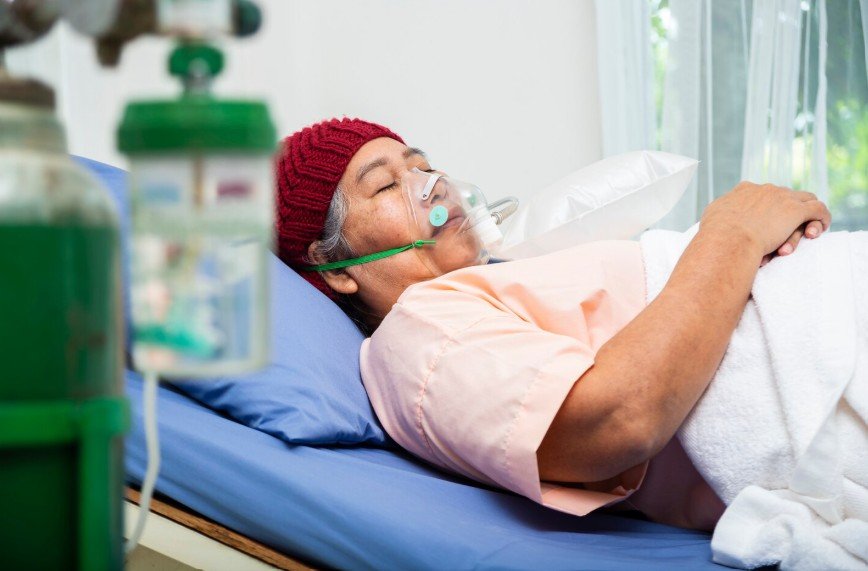
The most critical invisible layer within a healthcare facility is the Medical Gas Pipeline System (MGPS). To a patient resting in an intensive care unit, oxygen appears to materialize instantly from a small, color-coded outlet on the wall.
In reality, that terminal point is the destination of a miles-long network of high-purity copper piping originating from a centralized, high-volume storage hub outside the main building envelope.
Medical gas infrastructure must meet exceptionally rigid purity and pressure standards. Unlike domestic water lines, these networks carry specialized elements like nitrous oxide for anesthesia, medical air to drive mechanical ventilators, carbon dioxide for laparoscopic surgeries, and high-vacuum lines for intraoperative fluid suction.
The physical lines are constructed from specialized, degreased copper that undergoes strict chemical cleaning to eliminate any microscopic hydrocarbons or particulate matter.
If even a trace amount of oil remains inside an oxygen pipeline, the high-pressure environment can trigger a spontaneous internal combustion event.
These systems operate under constant electronic transducer monitoring, backed up by automated manifold switchovers to guarantee that critical life-support gases never fluctuate in pressure.
2. Preventing Infection through Advanced Pure Water Loops

Water is the universal solvent of clinical operations, utilized for everything from basic hand hygiene to the ultra-precise rinsing of surgical instruments in sterile processing departments.
However, standard municipal tap water contains dissolved minerals, organic compounds, and microbial biofilms that pose a lethal threat to immunocompromised patients.
To eliminate this biological hazard, modern hospitals construct isolated, closed-loop purification networks. These networks route water through multi-stage industrial filtration setups, including reverse osmosis matrixes, water softeners, and continuous ultraviolet (UV) disinfection chambers.
The distribution of this processed water requires materials completely free of internal pits or joints where stagnant fluids could harbor dangerous pathogens like Legionella.
The engineering demand for these high-performance, corrosion-resistant distribution networks is clear in regions experiencing rapid healthcare expansion.
When specialized medical centers construct advanced research laboratories or sterile surgical wings, they rely heavily on industrial-grade component sourcing.
Utilizing precision-engineered specialty piping in Utah allows mechanical contractors to implement high-purity stainless steel and specialized thermoplastic lines that resist chemical degradation.
These advanced piping arrays are laid out with zero “dead legs”—sections of pipe where water can sit idle and stagnate—ensuring a continuous, turbulent fluid velocity that prevents the formation of bacterial biofilms and guarantees absolute sanitation from the treatment plant to the surgical scrub sink.
3. Thermal Regulation and Atmospheric Isolation Control

Behind the ceiling panels of an operating theater, the mechanical infrastructure is locked in a continuous battle against airborne pathogens.
Hospital HVAC and thermal piping networks are engineered to perform a task far more complex than simple climate comfort; they serve as a primary physical defense mechanism against the spread of hospital-acquired infections.
Operating rooms require strict positive-pressure regimes, forcing air out of the room whenever a door opens to prevent contaminated hallway air from drifting inside.
Conversely, airborne infection isolation rooms (AIIR) utilize negative-pressure piping loops to trap dangerous airborne pathogens inside, routing the air through high-efficiency particulate air (HEPA) filtration banks before exhausting it safely above the roofline.
Deep within the mechanical interstitial spaces, massive hydronic chiller loops and steam lines run parallel to these air ducts.
These lines constantly adjust the latent heat and relative humidity of the building, keeping the indoor climate perfectly balanced to suppress microbial reproduction while preventing the static electricity arcs that can damage sensitive robotic surgical equipment.
4. Managing High-Hazard and Bio-Chemical Effluent Systems
While bringing vital fluids and gases into a patient room is incredibly complex, safely removing hazardous waste streams is equally challenging.
Hospital laboratories, oncology units, and isolation wards generate complex, highly toxic wastewater containing heavy chemical reagents, radioactive isotopes, and infectious biological material.
Standard PVC or cast-iron drainage lines would quickly dissolve or corrode under the aggressive chemical loads generated by modern pathology labs.
Consequently, healthcare facilities install completely separate, chemically inert drainage networks alongside their standard municipal sewage systems.
These high-hazard pipelines are often crafted from heavy-wall polypropylene or high-borosilicate glass, capable of handling extreme pH swings and volatile chemical compounds without degradation.
This specialized effluent is routed directly to subterranean neutralizing tanks and decontamination systems, where it is automatically treated, monitored, and neutralized before it can safely re-enter the public sanitation infrastructure.
Conclusion
The industrial infrastructure of a hospital is a silent, unceasing marvel of modern mechanical engineering.
It is a calculated triumph of spatial design achieved by replacing standard commercial utility lines with high-purity medical gas networks, sterile fluid loops, precise atmospheric pressure controls, and chemical-resistant waste containment.
Modern healthcare is not only about emergency treatment and critical systems; it also includes preventive wellness, patient confidence, and aesthetic care options like the skin booster treatment that support personal well-being in a different way.
By investing in robust, highly specialized mechanical components, modern healthcare facilities successfully insulate their clinical operations from external environmental vulnerabilities.
Ensuring that these dense, invisible networks function flawlessly behind the scenes transforms a complex structural shell into a responsive, life-sustaining sanctuary of absolute operational safety, clinical precision, and uncompromised patient protection.