How Play-Based Learning Shapes the Early Years
Watch a three-year-old stack blocks, knock them down, and build them right back up, and it’s tempting to call it “just playing.” It isn’t. In those first few years, play is how a child’s brain does its heaviest lifting, and the games that look like goofing around are quietly building the foundation for everything that comes later.
What “Play-Based Learning” Actually Means
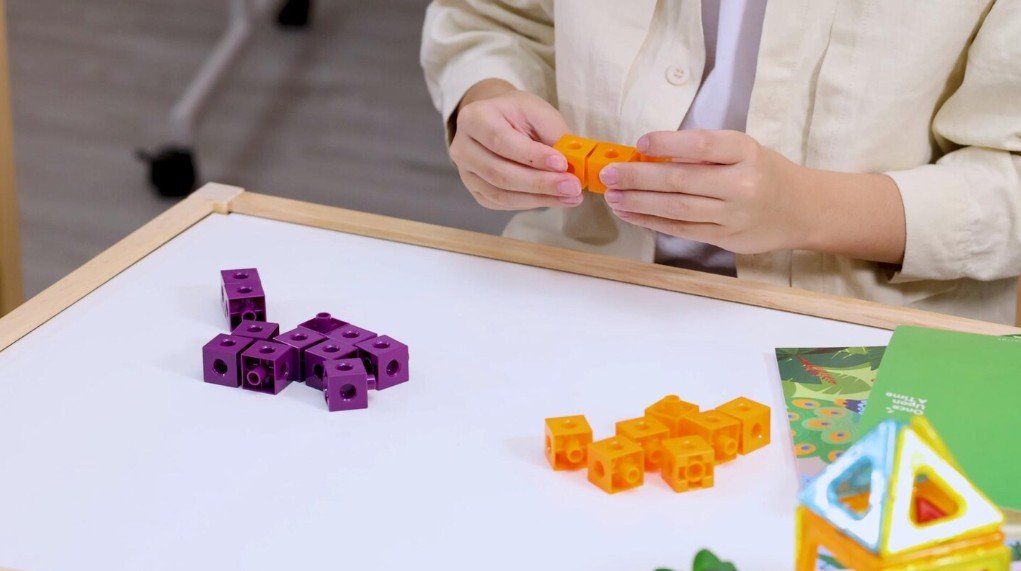
Play-based learning is pretty much what it sounds like, with a lot more going on under the surface. Instead of parking toddlers in front of worksheets and flashcards, it lets them learn by doing: pouring water, sorting buttons, running a pretend grocery store, painting something nobody can quite identify.
Some of it is free play, where kids chase their own ideas. Some of it is guided, where a caregiver nudges the activity toward a skill without ever making it feel like a lesson. The child thinks they’re just having fun. They are. They’re also learning, constantly.
Why Play Is Serious Work for a Young Brain
Here’s the part that surprises a lot of parents. The early years aren’t a warm-up for “real” learning that happens later. They are the main event for brain development.
In the first five years, a young brain builds connections at a pace it will never hit again, and the experiences a child has during that stretch literally shape how all that wiring comes together.
This is also why understanding early childhood learning milestones can help parents see how play supports language, movement, problem-solving, and social growth at each stage.
Play feeds the whole process. When a kid finally works out why the tower keeps toppling, or talks their way into a turn on the swing, their brain is running the same problem-solving and negotiating they’ll lean on for the rest of their life. Drilling facts at this age doesn’t build that. Play does.
The Window That Doesn’t Stay Open Forever
This is why timing matters as much as it does. The brain’s flexibility in these years is a gift with an expiration date on it. Rich, playful experiences early on hand kids a running start that’s genuinely tough to recreate down the road.
Miss the window and you’re not locked out for good, but you are working uphill. Lean into it, and ordinary afternoons of make-believe and mud puddles turn into some of the most productive learning a person ever does.
The Skills Hiding Inside Everyday Play
The real magic of play is how much it teaches all at once. A single afternoon in a sandbox can stretch a dozen different muscles, and most of them are invisible.
Language That Grows Through Talking
Pretend play is basically a language machine. When kids hand out roles (“you be the baby, I’ll be the doctor”), narrate what they’re up to, or bicker over the rules of a game they invented two minutes ago, they’re stretching vocabulary and figuring out how conversation actually works.
That back-and-forth chatter builds more language than any flashcard ever will.
Problem-Solving and the Seeds of Math
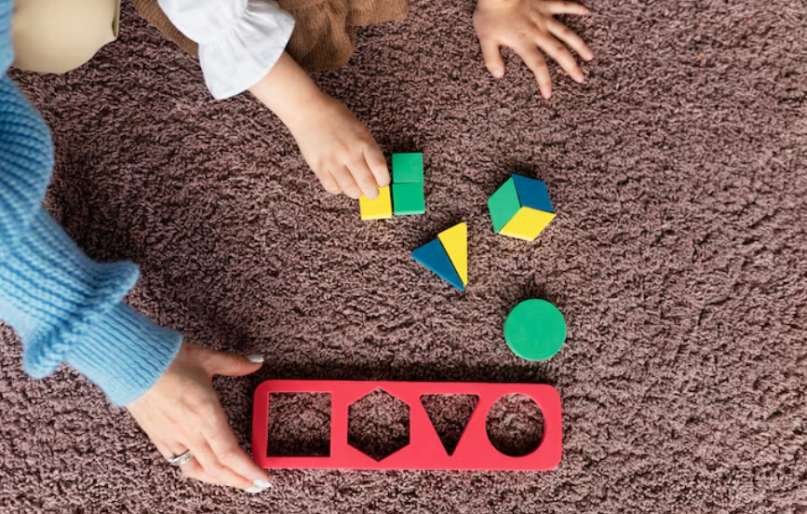
Sorting, stacking, counting out pretend coins, working out which shape fits which hole. That’s early math and logic, just dressed up as fun.
Kids float an idea, watch it fail, adjust, and try again, which happens to be the exact thinking that real math and science will ask of them later on.
Sharing, Waiting, and Big Feelings
Group play is where the hard social stuff gets rehearsed. Taking turns. Losing without melting down, or at least learning to. Noticing when a friend has gone quiet and upset.
These moments teach empathy and self-control in a way no adult lecture ever could, because the child is living it instead of just hearing about it.
Little Hands and Big Movements
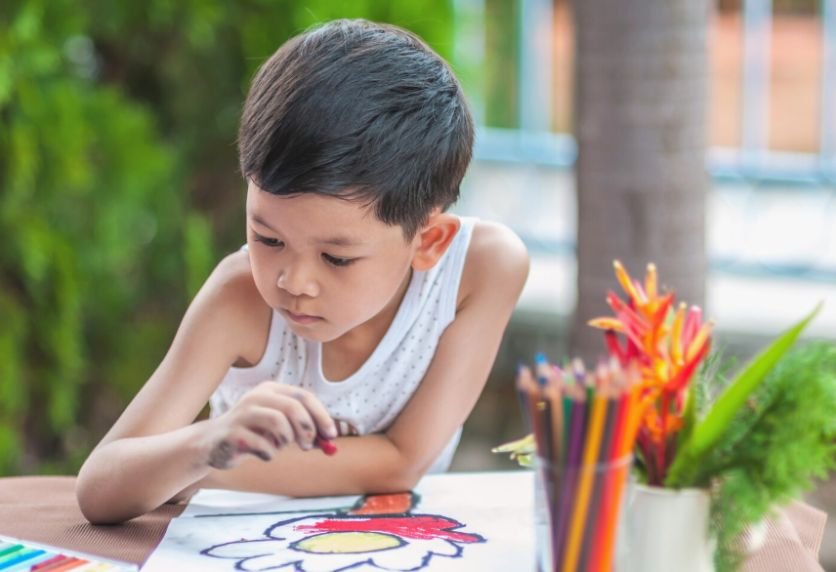
Climbing, running, and balancing build the big muscles. Threading beads, gripping crayons, and squishing dough build the small ones that’ll grip a pencil a few years from now. Both kinds of movement matter, and play covers them without anybody needing to schedule a workout.
The Grown-Up’s Real Job During Play
There’s a myth that play-based learning means adults just step back and let chaos take over. Not quite. The best early educators are working hard the whole time, just quietly.
They set up the space so the right kind of play can happen. They drop in the open-ended question that stretches a child’s thinking (“I wonder what would happen if we tried it this way”).
They step in when a squabble needs a gentle hand, and step back when the kids can sort it out themselves. It’s a genuine skill, and it’s why a thoughtful play-based curriculum looks effortless even though it’s anything but.
Bringing It Home
You don’t need a closet full of fancy toys to support any of this. Some of the best play in the world happens with cardboard boxes, kitchen pots, and a heap of laundry that needs sorting. Get down on the floor with them. Follow your child’s lead instead of running the show.
Ask questions instead of handing over answers. If your child keeps reaching for a device instead of open-ended play, learning to reduce screen time without arguments can make it easier to create space for hands-on activities, pretend games, and real-world problem-solving.
And fight the urge to fix every little problem for them, because the struggle is exactly where the learning lives.
What to Look for in a Program
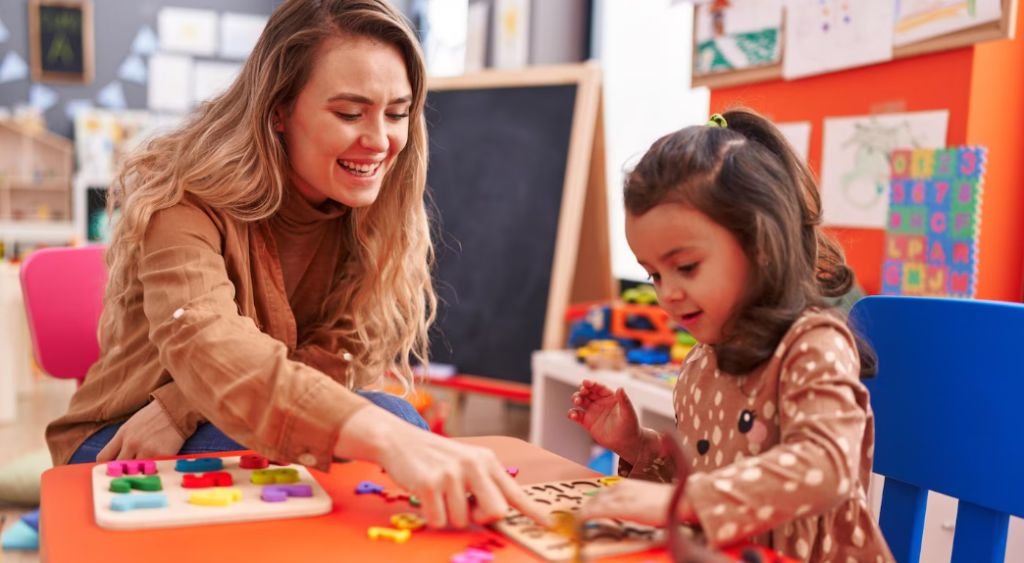
When you start comparing childcare services in Sandy, the play-based approach is worth asking about head-on. Look at how the room is set up.
Are there open-ended materials kids can use a hundred different ways, or mostly screens and worksheets? Watch how the staff talk to children mid-play, whether they’re narrating, asking questions, and chasing the kids’ interests rather than steering everything.
A licensed early learning program staffed by experienced early educators should be able to walk you through how play drives the whole day, not treat it like filler between the “real” activities. If you can swing it, tour a few options and watch the play happen in real time.
Conclusion
Play isn’t a break from learning in the early years; it is the learning. When kids build, pretend, argue, and create, they’re laying down the skills that years of school will eventually rest on.
Pick an environment that takes that seriously, and you’re handing your child a real head start that feels, to them, like nothing more than a great afternoon.