
7 Signs Your Home Has a Hidden Pest Infestation
Discovering a pest problem early can mean the difference between a simple treatment and an expensive, stressful home repair. Unfortunately, most household pests are experts at staying out of sight. They thrive in dark, undisturbed areas like crawlspaces, wall voids, and attics, often multiplying long before you see a single insect or rodent in your living space.
By learning the subtle warnings that pests leave behind, you can take action before a minor nuisance becomes a full-blown crisis. Here are seven critical indicators that your property is harboring unwelcome guests.
1. Unexplained Property Damage
Pests are notoriously destructive, often chewing or scratching through structural materials to gather food or build nests. Rodents need to gnaw constantly to keep their teeth sharp, which means they will readily chew through drywall, wooden baseboards, and plastic pipes.
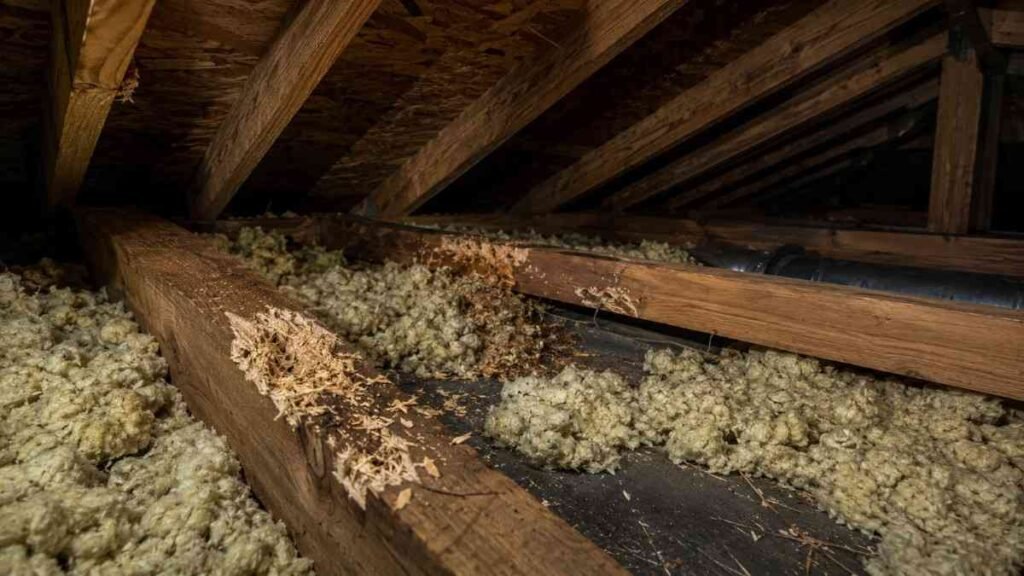
If you notice teeth marks along your baseboards or unexpected holes in your pantry packaging, mammals are likely present. Insects like termites and carpenter ants also cause severe structural harm by hollowing out wooden beams, leaving behind tiny piles of sawdust known as frass.
2. Strange Noises in Quiet Moments
When the house settles at night, you might start hearing things that indicate activity behind your drywall. Squeaking, scratching, or scurrying sounds coming from the ceiling, walls, or under the floorboards are classic indicators of mice, rats, or squirrels.
On the other hand, a heavy termite infestation can create a faint clicking sound within the wood, which occurs when soldier termites bang their heads against the tunnels to warn the colony of danger.
3. Discarded Pest Body Parts
Even if you never see a live creature, you will almost certainly find evidence of their life cycles if they are nesting nearby. Insects regularly shed their skins as they grow, leaving behind translucent husks in corners or windowsills.
Similarly, swarming insects like termites shed their wings once they find a suitable place to establish a new colony. Finding piles of uniform, clear wings near windows or doors is a major red flag that a wood-destroying colony is active nearby.
4. Droppings and Urine Stains
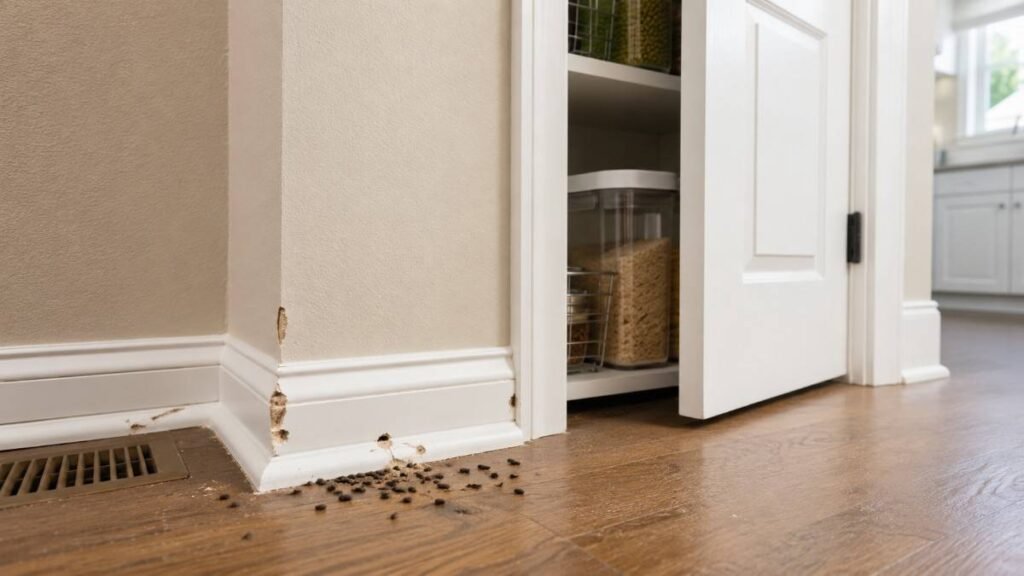
Fecal matter is one of the most definitive proofs of a pest issue. Rodent droppings look like small, dark pellets of rice and are typically left along baseboards, under sinks, or near food sources. Insect droppings are much smaller and can vary from pepper-like flakes left by cockroaches to tiny, dark spots left by bed bugs on mattresses or walls.
Along with droppings, a persistent, musty smell or visible staining along walls can indicate urine trails that pests use to navigate in the dark.
5. Unusual Pet Behavior
Domestic animals possess far better hearing and sense of smell than humans. If your dog or cat suddenly begins staring intently at a blank wall, barking at the baseboards, or frantically pawing at pet-friendly outdoor spaces or underneath kitchen appliances, they are likely tracking the scent or sound of invaders hidden just out of reach. Paying attention to sudden changes in your pet’s focus can help you pinpoint exactly where a hidden nest is located.
6. Fabric and Fabric Surface Damage
Many household pests do not care about your structure or materials of your home interior, but they do care about your belongings. Carpet beetles, clothes moths, and silverfish feed on natural fibers like wool, silk, cotton, and leather.
If you find mysterious holes in your winter sweaters, frayed edges on your upholstered furniture, or patches of missing fibers in your carpets, you are likely dealing with textile pests that are quietly destroying your home decor from the inside out.
7. Webbing and Egg Sacs in High Corners
Spiders are a common sight in many households, but an abrupt increase in silken structures indicates a thriving ecosystem. When a home has a high population of smaller insects like flies, ants, or moths, predatory arachnids will move indoors to exploit the food source.
Spotting dense webbing, silk tunnels, or small, spherical egg sacs in your basement, attic, or window frames means the local pest population is escalating. For residents dealing with a severe or dangerous arachnid presence, hiring a professional spider exterminator in Logan is the most reliable way to restore safety and comfort to the property.
Conclusion
Ignoring the early indicators of a pest problem gives the invaders more time to reproduce and cause damage. Regularly inspecting quiet areas of your home, remaining alert to strange sounds, and addressing cleanliness can keep your living space safe. If you recognize multiple signs from this list, consulting with a certified pest control expert is the best way to identify the source of the issue and keep your home well-maintained by eliminating it completely.