
Why Your Workspace Matters More Than You Think
We spend a massive portion of our lives at work. Whether you operate out of a corporate high-rise, a sprawling suburban commercial complex, or a dedicated home office, the environment surrounding you is constantly shaping your reality. Yet, it is incredibly easy to treat a workspace as just a passive backdrop—a simple arrangement of a desk, a chair, and a computer.
In reality, your physical surroundings function as a silent partner in everything you do. From the layout of the room to the quality of the light filtering through the windows, your environment plays an active role in determining your mental stamina, structural health, and creative output. Understanding the hidden mechanics of how a space influences the human brain and body changes how we view our daily routines.
The Cognitive Link Between Order and Focus
The human brain is a master at processing environmental cues, even when we aren’t consciously paying attention to them. When you walk into a workspace buried under a mountain of loose papers, tangled cords, and scattered coffee mugs, your brain interprets that visual chaos as a massive list of unfinished tasks. This constant, subliminal tracking drains your cognitive energy.
Studies in environmental psychology consistently demonstrate that physical clutter leads to mental fatigue. A streamlined, intentional layout reduces sensory overload. When your eyes don’t have to constantly jump between distractions, your brain can channel its full processing power into deep, focused work.
Ergonomics and the Hidden Cost of Discomfort
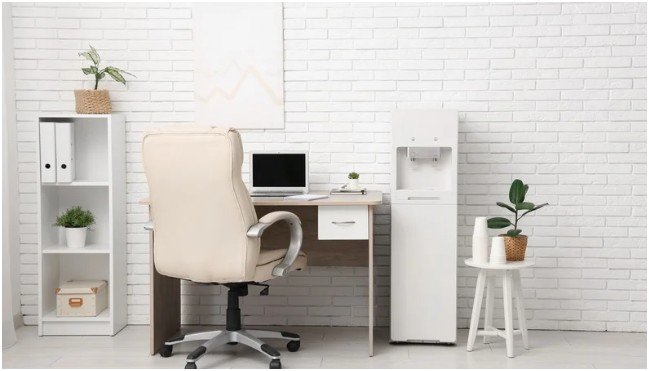
It is impossible to do your best cognitive work when your body is actively signaling discomfort. Sitting in an unsupportive chair or working at a desk that sits at an awkward height forces your muscles, tendons, and spine into unnatural positions. Over the course of an eight-hour shift, this physical strain manifests as lower back pain, neck stiffness, and tension headaches.
Ergonomics is not a luxury trend; it is a fundamental pillar of human performance. Investing time into setting up a workspace that honors natural human posture drastically reduces physical fatigue. When your body is properly supported, your circulation improves, and your energy levels remain stable throughout the afternoon, protecting you from the dreaded mid-day crash.
Designing a Layout That Sparks Creative Thinking
The way a room is arranged dictates how you move, think, and collaborate. A workspace that feels overly sterile or cramped can stifle creative problem-solving. On the other hand, a layout that balances open areas with quiet zones allows the mind to transition smoothly between intense focus and open brainstorming.
For those looking to intentionally redesign their professional environments, sourcing specialized pieces from a dedicated office furniture store in Las Vegas can help establish a balance between structural durability and modern aesthetic design. Incorporating raw textures, clean metal frameworks, and warm wood tones can shift a room from feeling like an institutional box into an inspiring, creative studio that invites innovation. Expert contractors improve energy efficiency in office spaces by creating smart layout.
The Power of Natural Light and Biophilic Elements

Human beings were never meant to spend entire days trapped under the harsh, artificial buzz of traditional fluorescent lighting. Poor illumination strains the eyes and disrupts the body’s circadian rhythm—the internal biological clock that regulates sleep, mood, and alertness.
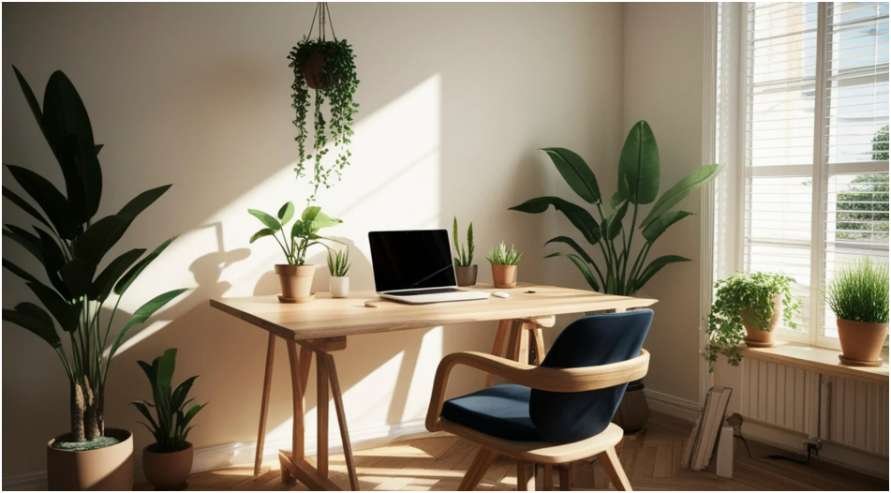
Reduce screen time helps and Integrating natural light into a workspace fundamentally alters the energy of the room. Sunlight boosts serotonin levels, which naturally elevates mood and sharpens focus. Pairing natural light with biophilic design—the practice of bringing elements of nature indoors, such as potted plants or natural wood finishes—has been shown to lower heart rates, reduce workplace stress, and foster a sense of overall well-being.
Personalization and the Psychology of Ownership

There is a profound psychological shift that occurs when you transition from a generic, standardized desk to a space that reflects your personal identity and working style. Psychologists refer to this as “workspace identity.”
When you have control over your immediate environment—whether that means choosing the placement of your tools, adding artwork, or selecting the exact texture of your desktop—you feel a deeper sense of autonomy and ownership over your tasks. This subtle emotional connection increases your investment in the work itself, transforming a standard daily routine into a meaningful professional practice.
Conclusion
Your workspace is never just a collection of physical objects; it is an absolute reflection and catalyst of your mental state. The colors, textures, lighting, and physical support systems you choose to surround yourself with create a ripple effect that touches every single project you tackle. By treating your environment with the respect it deserves, you build a foundation for sustained health, clarity, and success.